

Tanzania
Images
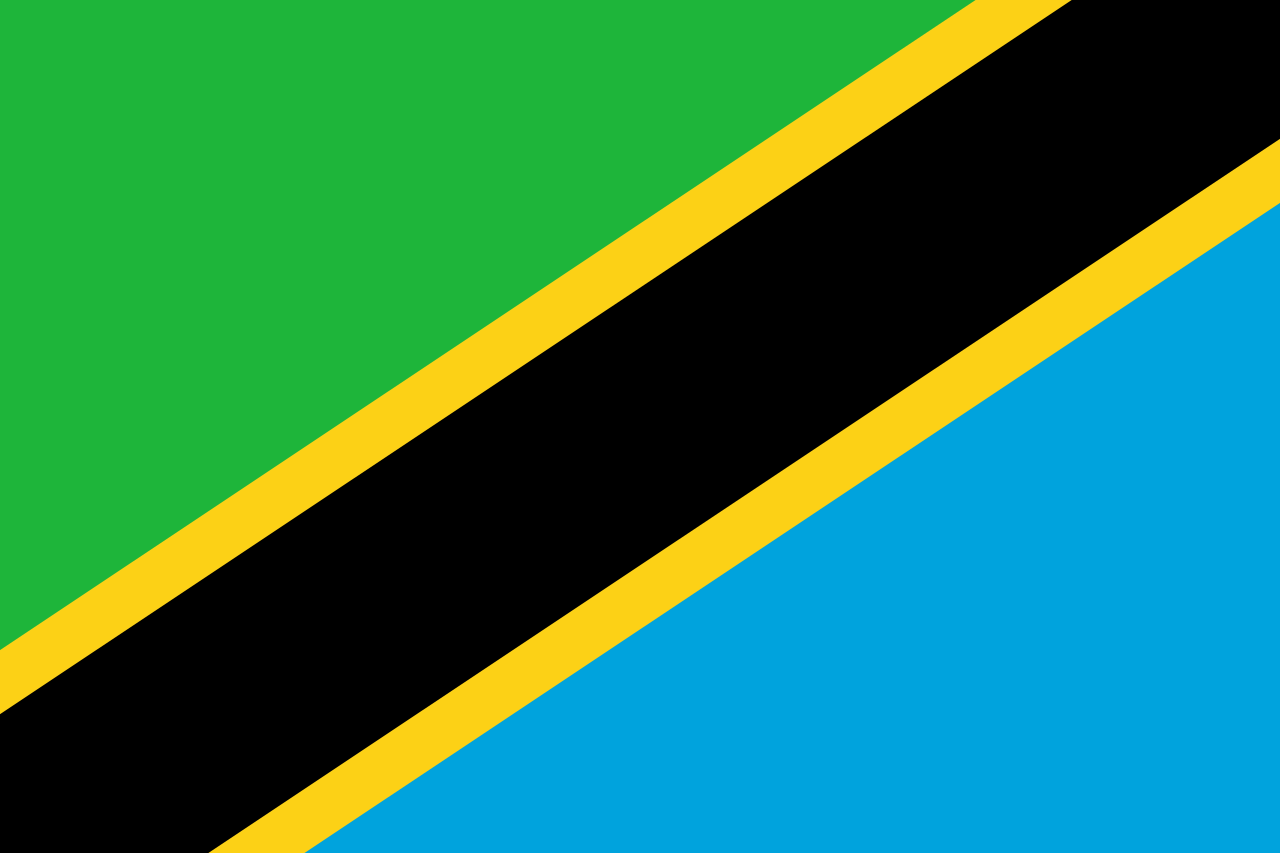
Tanzania
Opens Google Maps in new tab
Geomorphology and Biodiversity Hotspot
Tanzania's geography is a testament to powerful geological forces and a rich evolutionary history. Situated in East Africa, it encompasses a vast territory characterized by significant topographical diversity. The country is dominated by the East African Rift System, which has sculpted dramatic landscapes, including the formation of three of Africa's Great Lakes: Lake Victoria, the continent's largest freshwater lake by area; Lake Tanganyika, the world's second-deepest freshwater lake, renowned for its exceptional endemic fish species; and Lake Malawi.
Towering over the northeastern landscape is Mount Kilimanjaro, Africa's highest peak and the world's highest free-standing mountain, a stratovolcano whose glaciers are a stark reminder of climate change. The coastal regions along the Indian Ocean are hot and humid, featuring the historically significant Zanzibar Archipelago, a collection of islands with unique ecosystems and a vital marine conservation area, Menai Bay. Tanzania's varied elevations and climates support an extraordinary range of biodiversity, making it a premier destination for ecotourism and scientific research, particularly in its numerous national parks and protected areas, such as the Serengeti, famous for the Great Migration.
Stratified Histories
The historical narrative of Tanzania is deeply rooted, stretching back to the dawn of humanity. The country is a globally significant site for paleoanthropology, with numerous hominid fossil discoveries providing crucial insights into human evolution. Prehistoric migrations shaped its early demographics, with Southern Cushitic speakers arriving from present-day Ethiopia, followed by Eastern Cushitic peoples and Southern Nilotes from regions near modern-day South Sudan and Ethiopia.
Concurrently, Bantu migrations from West Africa populated the areas around the great lakes. The colonial era introduced significant political shifts: the mainland became German East Africa in the late 19th century, and after World War I, it transitioned to British rule as Tanganyika. The Zanzibar Archipelago maintained a separate colonial administration, developing its own distinct political and cultural trajectory.
The pivotal moment of unification occurred in 1964 when Tanganyika and Zanzibar merged to form the United Republic of Tanzania, a deliberate act of nation-building that integrated diverse historical experiences into a single sovereign state. This legacy continues to influence its contemporary identity and political landscape.
Linguistic Pluralism and Cultural Synthesis
Tanzania stands out as a beacon of linguistic and cultural diversity in East Africa, officially recognizing no de jure official language but fostering Swahili as the national language. This choice has been instrumental in promoting national unity and facilitating communication across its estimated 120 ethnic and linguistic groups. Swahili, a Bantu language with significant Arabic influences, acts as a lingua franca, enabling social cohesion and inter-ethnic dialogue.
English plays a crucial role in higher education, foreign trade, and the legal system, reflecting its colonial past and global connections. The historical dominance of Arab traders has left a lasting imprint on Zanzibar, where Arabic remains widely spoken. Religious diversity is also a hallmark, with Christianity being the predominant faith, complemented by substantial Muslim and indigenous Animist communities.
This complex interplay of languages, religions, and ethnic traditions creates a dynamic cultural fabric, evident in its arts, music, cuisine, and social customs, making Tanzania a fascinating case study in cultural integration and national identity formation.
Sovereignty and Governance
The United Republic of Tanzania operates as a presidential constitutional republic, with a federal capital established in Dodoma. While Dodoma is the official seat of government, the former capital, Dar es Salaam, remains the country's largest city, principal port, and primary commercial hub, retaining many governmental functions. For decades, Tanzania has been governed by the Chama Cha Mapinduzi (CCM) party, which has historically functioned as a de facto one-party state, influencing the political landscape and policy direction.
The country's political system emphasizes national unity and development, often balancing the needs of its diverse population with the goals of economic progress. The government plays a significant role in managing the nation's resources, including its rich mineral wealth and agricultural output, and in promoting international relations. Understanding Tanzania's governance structure requires appreciating its post-colonial journey towards establishing stable and inclusive political institutions.
Foundations of Knowledge
Education in Tanzania is structured to provide foundational literacy and numeracy, progressing to specialized training and higher learning. The government provides free and compulsory primary education, aiming to ensure all children have access to basic schooling. Following primary education, students can pursue secondary education, which is divided into ordinary (O-level) and advanced (A-level) levels.
English is the medium of instruction in secondary and higher education, a legacy of the British colonial system and a practical necessity for international engagement. Tertiary education is offered through universities and colleges, which contribute to research, innovation, and the development of skilled professionals across various sectors, including medicine, engineering, and the arts. The nation's commitment to education is a key strategy for socio-economic development, aiming to equip its large youth population with the skills needed to navigate a globalized world and contribute to the country's ongoing progress.
Challenges remain in ensuring equitable access and quality across all regions, but the expansion of educational opportunities is a central tenet of Tanzania's development agenda.
Go deeper
Frequently Asked Questions
What is Tanzania?+
Where is Mount Kilimanjaro located?+
What are the Great Lakes of Tanzania?+
Why do people in Tanzania speak Swahili?+
How did Tanzania become one country?+
Based on content from Wikipedia · Licensed under CC BY-SA 4.0