

Kublai Khan
Images
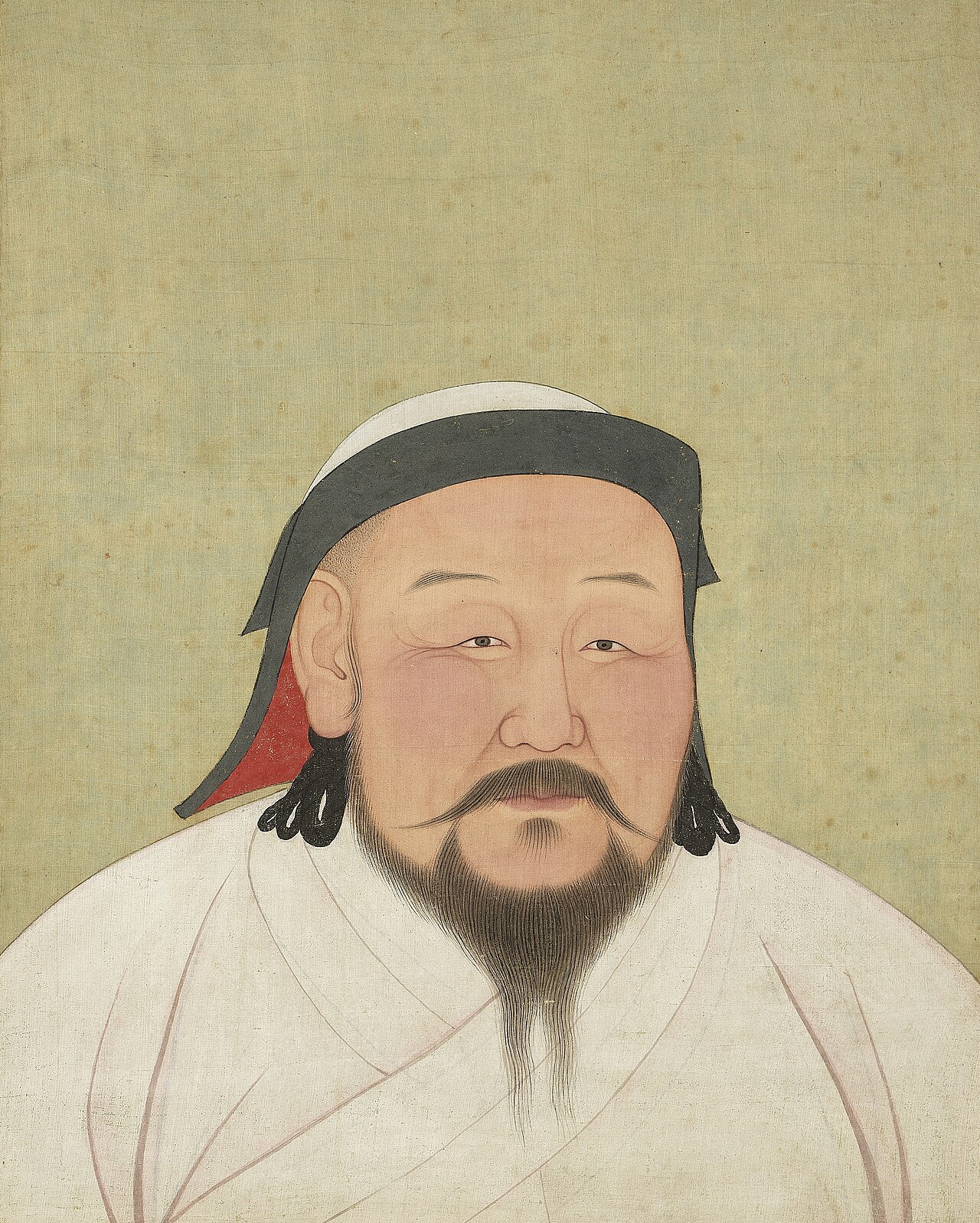
Kublai Khan
Ascension Amidst Turmoil
Kublai Khan, born on September 23, 1215, emerged from the powerful lineage of Genghis Khan, inheriting a legacy of conquest and empire-building. His path to supreme leadership was not straightforward. Following the death of his brother Möngke in 1260, Kublai assumed the title of Khagan.
However, his claim was contested by his younger brother, Ariq Böke, leading to the devastating Toluid Civil War, which concluded in 1264. This conflict was pivotal, signaling the fragmentation of the once-unified Mongol Empire. While Kublai retained influence over the Ilkhanate and the Golden Horde, his effective power base became increasingly centered on the territories that would form the Yuan Empire, setting the stage for his grand ambitions in China.
Establishing the Yuan Dynasty and Ruling China
A defining moment in Kublai Khan's reign was his proclamation of the dynastic name 'Great Yuan' in 1271. This act was a deliberate assertion of legitimacy, positioning his rule as a continuation of traditional Chinese imperial succession, despite his Mongol heritage. The Yuan dynasty was officially established, and Kublai dedicated himself to conquering the remaining independent Chinese states.
By 1279, he had successfully completed the conquest of the Southern Song dynasty, a feat of immense military and political significance. This victory made Kublai Khan the first non-Han Chinese emperor to rule over all of China proper, a vast territory encompassing modern-day China, Mongolia, Korea, and parts of Siberia. His reign marked a profound shift in Chinese history, integrating it into a larger Eurasian political and cultural sphere.
Imperial Ambitions and Overseas Campaigns
Kublai Khan's vision extended far beyond the continental landmass. He harbored significant imperial ambitions that led him to launch ambitious overseas campaigns. Most famously, he ordered two massive naval invasions of Japan in 1274 and 1281.
Both expeditions met with catastrophic failure, largely due to devastating typhoons that annihilated his fleets, events later referred to by the Japanese as 'kamikaze' or 'divine winds'. Undeterred, Kublai also directed invasions into Vietnam, Burma, and Java, though these too met with limited success or significant resistance. These military endeavors, while largely unsuccessful in expanding his empire overseas, underscore the scale of his strategic thinking and the immense resources he commanded.
Transformative Rule and Lasting Impact
Kublai Khan ruled until his death on February 18, 1294, at the age of 78. His reign as emperor of the Yuan dynasty was transformative. He implemented administrative reforms, promoted trade along the Silk Road, and encouraged cultural exchange between different peoples within his empire.
His court was visited by famous travelers like Marco Polo, whose accounts provided Europeans with unprecedented insights into the East. Kublai Khan's unification of China under Mongol rule had profound and lasting consequences, influencing the political landscape, economic development, and cultural interactions of Asia for centuries to come. He remains a pivotal figure, representing a unique synthesis of Mongol military prowess and Chinese imperial tradition.
Go deeper
Based on content from Wikipedia · Licensed under CC BY-SA 4.0