SmallWhale

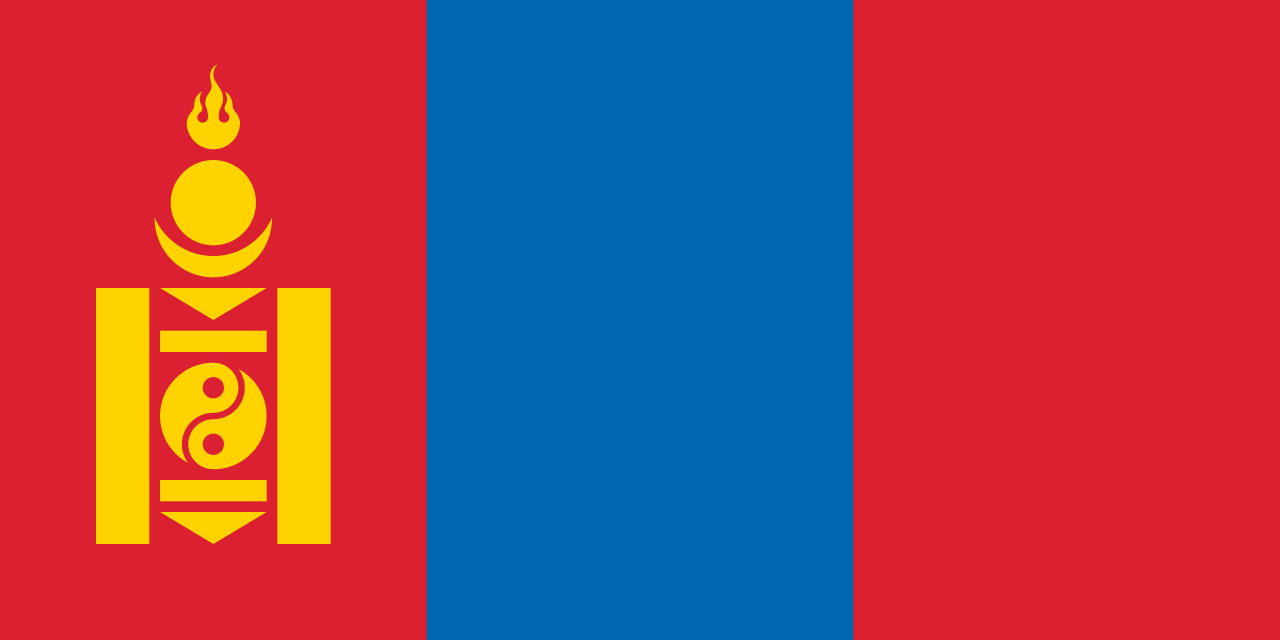
Mongolia

Mongolia is a landlocked country in East Asia, famous for its vast steppe, cold winters, and nomadic culture.

Images

Mongolia

Mongolia

wikipedia

Key Facts

Capital
[Ulaanbaatar](/articles/ulaanbaatar)
Population
about 3.3 million
Official Language
Mongolian
Area
1.56 million km²
Show Mongolia on Map

Opens Google Maps in new tab

Geography

Mongolia is a vast, landlocked country located in the heart of [East Asia](/articles/east-asia). It shares borders with Russia to the north and China to the south, east, and west, making it the world's 18th largest nation by area. The landscape is dominated by the Gobi Desert in the south, a harsh, sandy region that receives little rainfall, and the expansive steppe in the north, which supports nomadic herding. Mountain ranges such as the Altai, Khentii, and Khangai rise in the western and eastern parts, providing natural boundaries and diverse ecosystems.

The country experiences a continental climate, with long, cold winters that can drop below -40 °C and hot, dry summers reaching up to 40 °C. Major rivers include the Orkhon and the Selenge, which flow northward into Russia. Ulaanbaatar, the capital, sits in the north‑central highlands and serves as the political, economic, and cultural hub of Mongolia and it is famous for its nomadic culture.

History

Long before modern times, the Mongol people lived in the steppes as nomadic herders. In the 13th century, Genghis Khan united the tribes and founded the Mongol Empire, the largest contiguous empire in history. The empire spread across Asia and Europe, bringing trade and cultural exchange.

After the empire fell, Mongolia became a part of China and later a Soviet satellite state. In 1990, Mongolia transitioned to democracy and a free market economy, ending the communist era. Today it celebrates its heritage with festivals and modern cultural institutions.

Culture

Mongolian culture is shaped by its nomadic past. People traditionally live in portable tents called gers, also known as yurts, and herd animals such as horses, sheep, and goats. Music and dance are important, with songs often telling stories of the steppe. Traditional sports like horse racing, archery, and wrestling are popular, especially during the Naadam festival.

The Mongolian language uses the Cyrillic alphabet and has its own unique script. Buddhism and shamanism are two major religions that influence daily life and celebrations and they are celebrated with colorful costumes.

Economy

Since the 1990s, Mongolia has shifted from a planned economy to a market‑based system. The country relies heavily on mining, especially copper, gold, and coal, which are exported mainly to China. Agriculture and livestock keep traditional livelihoods, with many families raising sheep and horses. Tourism is growing, as visitors come to see the Gobi Desert and historic sites.

Mongolia also imports many goods, such as food and machinery, to support its growing cities. The government works to improve roads and electricity so the economy can grow faster and create jobs.

Was this helpful?
W

Based on content from Wikipedia · Licensed under CC BY-SA 4.0