

Kazakhstan
Images
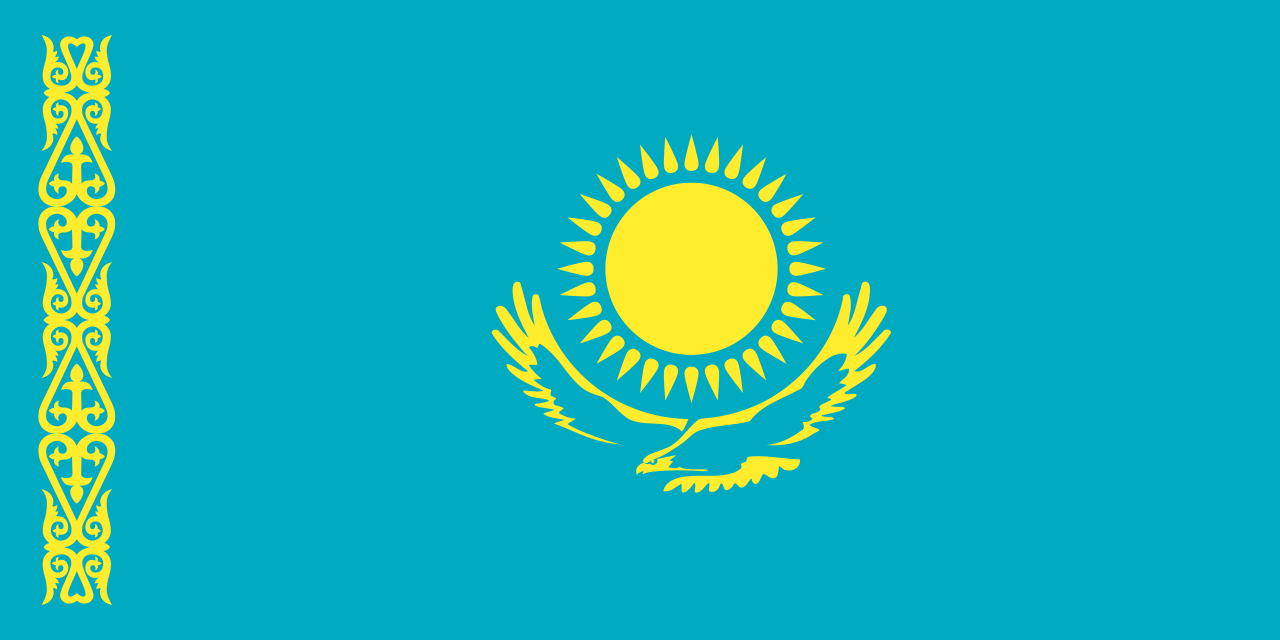
Kazakhstan
Opens Google Maps in new tab
A Land of Immense Scale and Diverse Terrains
Kazakhstan commands an astonishing geographical presence, ranking as the ninth-largest nation worldwide by area, spanning 2,724,900 square kilometers. Its territory is predominantly characterized by vast, undulating steppes and lowlands, covering nearly three-quarters of the country. These expansive plains have historically supported nomadic lifestyles and continue to be crucial for agriculture and livestock.
However, Kazakhstan is not solely defined by its flatness; its southern and eastern frontiers are dramatically sculpted by significant mountain ranges, including parts of the Tian Shan and Altai mountains, offering dramatic contrasts to the plains. This immense size and varied topography result in a wide spectrum of climates, from continental extremes with scorching summers and frigid winters to more temperate zones. Critically, Kazakhstan is the world's largest landlocked country, a geographical fact that has profoundly influenced its historical development, trade relationships, and strategic importance, necessitating complex transit routes through neighboring nations.
From Ancient Nomads to Post-Soviet Nationhood
The human history of Kazakhstan stretches back to the Paleolithic era, evidenced by numerous archaeological sites. Ancient nomadic Iranian peoples, such as the Saka and Massagetae, thrived here, engaging with empires like the Achaemenids. The arrival of Turkic nomads from the 6th century onwards significantly shaped the region's cultural and linguistic landscape.
A pivotal moment arrived in the 13th century with the Mongol conquest under Genghis Khan, integrating the territory into his vast empire. Following the fragmentation of the Golden Horde, the Kazakh Khanate emerged in the 15th century, consolidating the Kazakh people's identity. By the 18th century, the Khanate had fractured into three tribal confederations (jüz), which were gradually absorbed by the expanding Russian Empire, with Russian rule nominally established by the mid-19th century.
Following the Russian Revolution, Kazakhstan became an autonomous republic within the Russian SFSR, later elevated to a union republic in 1936. The Soviet era saw significant demographic shifts, with the settlement of Russians and other ethnicities, leading to ethnic Kazakhs becoming a minority. Kazakhstan was the final Soviet republic to declare independence in 1991, marking the end of a long period of external domination and the dawn of a new sovereign era.
Peoples and Traditions
With a population of approximately 20 million, Kazakhstan possesses one of the lowest population densities globally, averaging fewer than 6 people per square kilometer. This demographic reality underscores the vastness of its territory. Ethnic Kazakhs constitute the majority, but a substantial ethnic Russian minority, alongside numerous other groups like Ukrainians, Uzbeks, and Tatars, contributes to a rich cultural tapestry.
The official state language is Kazakh, a Turkic language, while Russian retains significant status and is widely used in interethnic communication, government, and business. Although officially secular, Kazakhstan is a Muslim-majority nation, reflecting its historical ties to Islamic cultures. However, a sizable Christian community, primarily Orthodox, also exists, a legacy of Russian settlement.
This blend of traditions, languages, and religions creates a unique cultural identity at the crossroads of East and West.
Economic Powerhouse Fueled by Resources
Kazakhstan stands as the dominant economic and political force in Central Asia, generating approximately 60% of the region's GDP. This economic prowess is primarily driven by its abundant natural resources, particularly its vast reserves of oil and natural gas, which are crucial export commodities. The country ranks among the world's leading producers of vital minerals, including iron ore and silver, further bolstering its economic strength.
Beyond resource extraction, Kazakhstan is actively developing its industrial and agricultural sectors. Its capital, Astana, is a symbol of its modern aspirations, a planned city showcasing contemporary architecture. Almaty, the former capital and largest city, remains the nation's primary cultural and commercial hub, buzzing with activity. Kazakhstan's high Human Development Index ranking within the region reflects its economic progress and investment in its people.
Navigating Governance and Global Engagement
Kazakhstan operates as a unitary presidential republic, with a constitution outlining its governmental structure. However, its political system has historically been characterized as authoritarian, particularly during the long tenure of Nursultan Nazarbayev, who led the country from independence until his resignation in 2019. Since then, there have been incremental efforts towards democratization and political reform, though challenges remain in fully realizing these objectives.
Kazakhstan actively participates in international affairs, holding membership in numerous global and regional organizations. These include the United Nations, the World Trade Organization, the Commonwealth of Independent States, the Shanghai Cooperation Organisation, and the Eurasian Economic Union. Its engagement in these bodies highlights its strategic position and its efforts to foster regional stability and economic cooperation while asserting its national interests on the world stage.
Go deeper
Frequently Asked Questions
What is Kazakhstan and how big is it?+
What kind of land does Kazakhstan have?+
Why is Kazakhstan landlocked?+
How did Kazakhstan become independent?+
Who lives in Kazakhstan and what languages do they speak?+
Based on content from Wikipedia · Licensed under CC BY-SA 4.0