

Maldives: Islands in the Sun!
Images
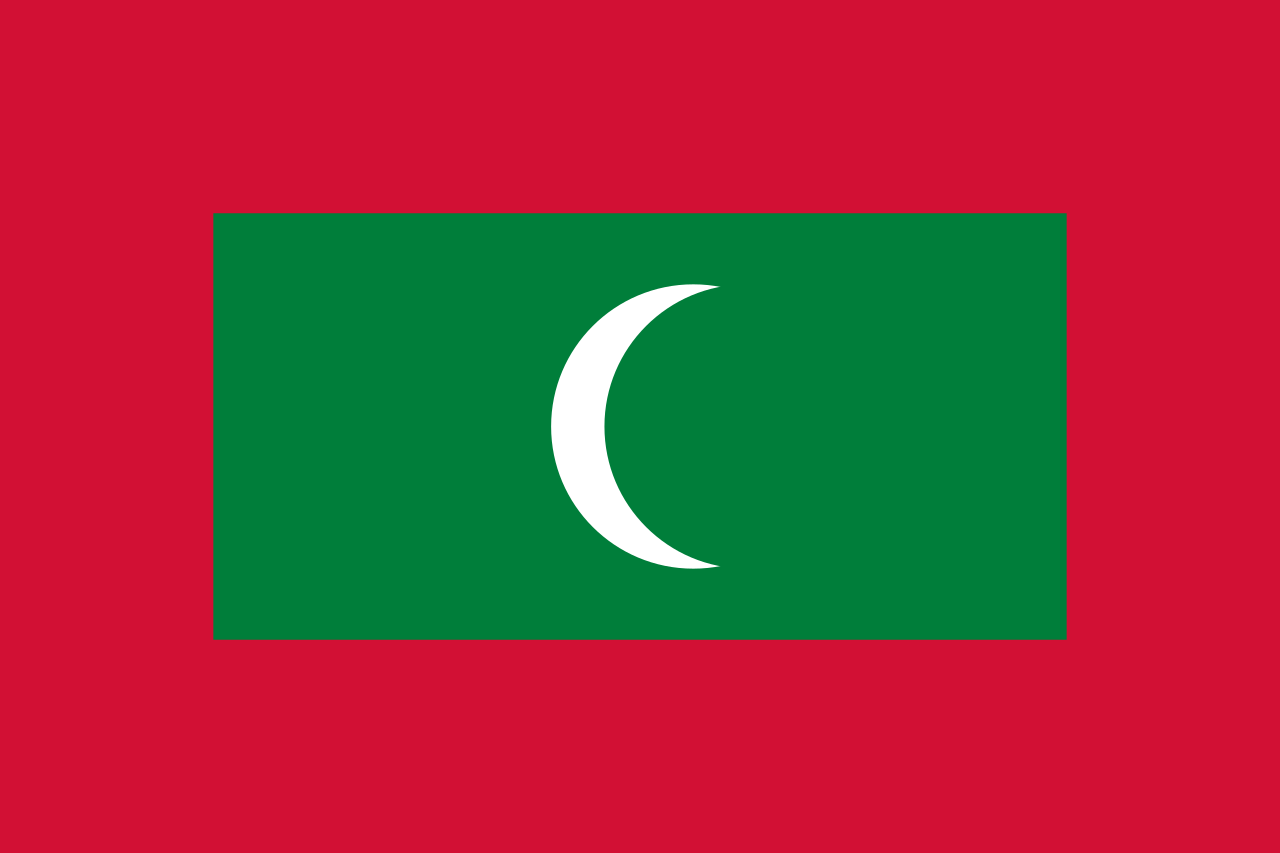
Maldives
Geographical Extremes
The Republic of Maldives presents a fascinating case study in geography. As an archipelagic nation situated in the northern Indian Ocean, its defining characteristic is its extreme low elevation. With an average ground-level elevation of a mere 1.5 meters (4 ft 11 in) and a highest natural point of only 2.4 meters (7 ft 10 in), it holds the distinction of being the world's lowest-lying country.
This unique topography, spread across 26 atolls and over 1,190 coral islands, creates a vast maritime territory of approximately 90,000 square kilometers, making it one of the most spatially dispersed sovereign states globally, despite its small total land area of 298 square kilometers. This geographical reality, while fostering a unique marine environment and attracting tourism, also places the Maldives at the forefront of the climate crisis, particularly concerning sea-level rise.
A Tapestry of Cultures
The human history of the Maldives stretches back over 2,500 years, marked by waves of migration and external influences. Documented contact with the outside world intensified around the 10th century AD with the arrival of Arab travelers, who significantly shaped the islands' culture and economy. The adoption of Islam in the 12th century, partly due to the prominence of Arab and Persian traders in the Indian Ocean, led to the consolidation of a sultanate.
This period fostered strong commercial and cultural ties with Africa and Asia. From the mid-16th century, European colonial powers exerted increasing influence, culminating in the Maldives becoming a British protectorate in 1887. Independence was achieved in 1965, followed by the establishment of a presidential republic in 1968, marking a transition from monarchical rule to a modern state navigating its post-colonial identity.
Economic Resilience and Vulnerability
The Maldivian economy has historically been dominated by fishing, which continues to be a vital sector. However, the nation has successfully diversified, with tourism emerging as its leading industry and a major source of foreign exchange. The allure of its pristine beaches, coral reefs, and marine biodiversity draws visitors worldwide, contributing significantly to its classification as a high human development index country with an upper-middle income economy.
Despite economic successes, the Maldives faces profound vulnerability. Its low-lying geography makes it acutely susceptible to the impacts of climate change, including coastal erosion, saltwater intrusion into freshwater sources, and extreme weather events. The long-term economic viability is intrinsically linked to global efforts to mitigate climate change and adapt to its inevitable consequences.
Governance and Global Engagement
The Maldives operates as a presidential republic, with an elected People's Majlis serving as its legislative body. The nation has experienced periods of political instability and ongoing efforts towards democratic reform. On the international stage, the Maldives is an active member of various global and regional organizations, including the United Nations, the Commonwealth of Nations, and the Organisation of Islamic Cooperation.
Its membership in the South Asian Association for Regional Cooperation (SAARC) underscores its regional ties. The country's diplomatic engagement has also involved periods of withdrawal and rejoining, such as its temporary exit from the Commonwealth in 2016 due to concerns over human rights and democracy, followed by its reinstatement in 2020 after demonstrating reforms. This demonstrates a commitment to international norms while asserting its national interests.
Education and Human Capital Development
The Maldives places a strong emphasis on education as a cornerstone for its development and the well-being of its citizens. The nation has made significant strides in improving literacy rates and expanding access to education across its dispersed islands. The government actively invests in educational infrastructure and teacher training to ensure quality learning opportunities for its population.
Higher education is also increasingly accessible, with both local institutions and opportunities for study abroad. This focus on human capital development is crucial for the Maldives, enabling its citizens to participate effectively in the growing tourism and service sectors, as well as to tackle the complex environmental and economic challenges facing the nation. A well-educated populace is key to the Maldives' resilience and future prosperity.
Go deeper
Frequently Asked Questions
What makes the Maldives the lowest-lying country in the world?+
Why do tourists love the Maldives?+
How many islands are in the Maldives?+
When did the Maldives become independent?+
Why is the Maldives vulnerable to climate change?+
Based on content from Wikipedia · Licensed under CC BY-SA 4.0