

Elephants
Images
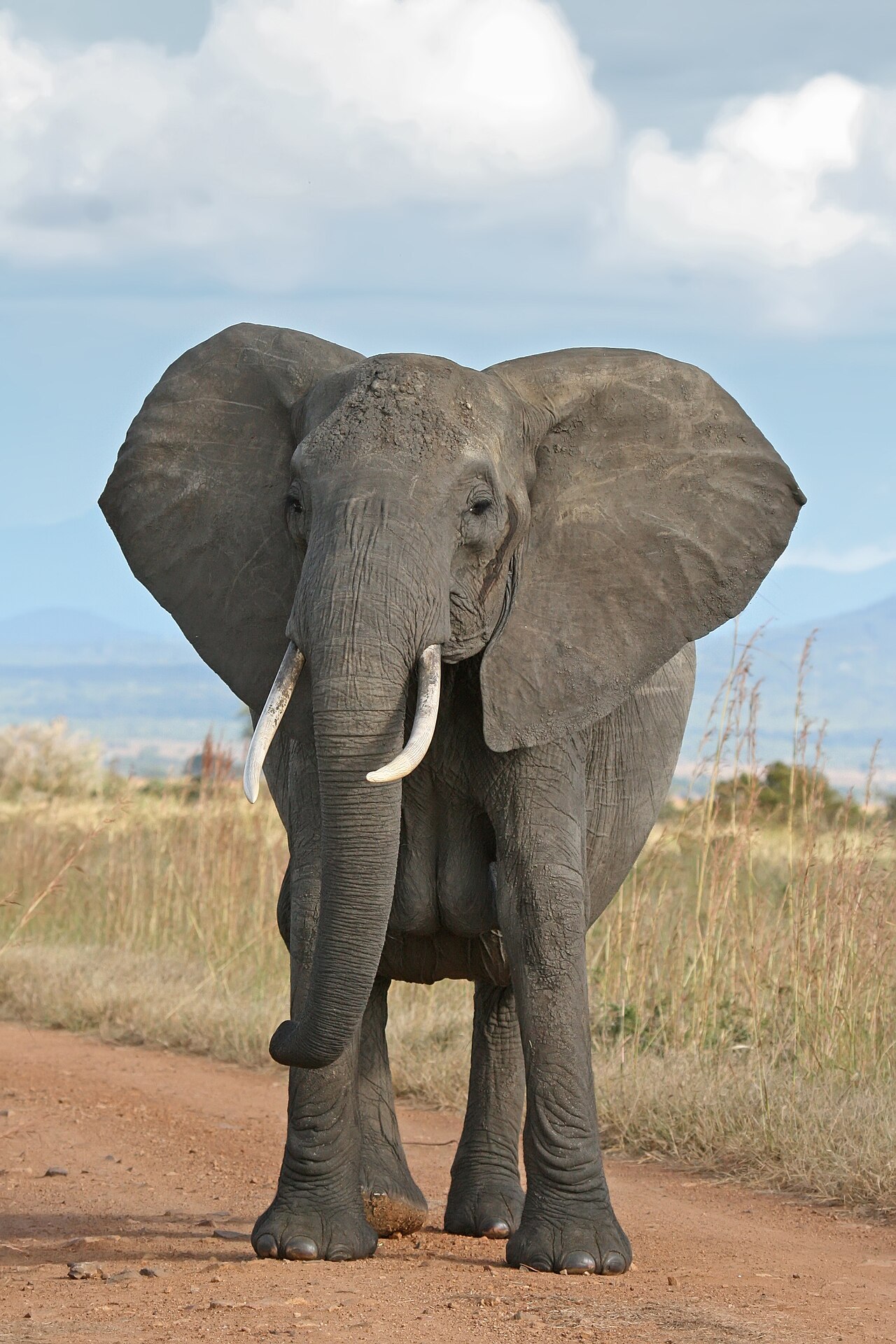
African Bush Elephant

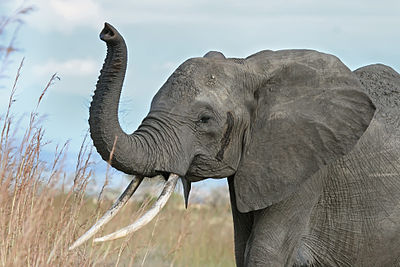


More Than Just Big Animals
Elephants are truly awe-inspiring creatures, holding the title of the largest land animals on Earth. There are two main species: the African elephant (Loxodonta africana) and the Asian elephant (Elephas maximus). African elephants are further divided into forest elephants and savanna elephants, each adapted to their unique environments.
These magnificent mammals are known for their immense size, distinctive trunks, large ears, and tusks. Their scientific classification places them in the family Elephantidae. They are incredibly intelligent, social, and possess a deep capacity for emotion, making them far more complex than just large herbivores.
Their presence shapes entire landscapes, and understanding them is key to appreciating the delicate balance of nature.
African elephants are generally larger than Asian elephants, with males of the African savanna elephant species reaching up to 4 meters (13 feet) in height at the shoulder and weighing as much as 6,000 kilograms (13,000 pounds) – that's heavier than a school bus! Asian elephants are a bit smaller, with males typically reaching up to 2.75 meters (9 feet) in height and weighing around 4,000 kilograms (8,800 pounds). Their trunks are one of their most remarkable features, acting as a super-versatile limb used for breathing, smelling, drinking, and grasping.
The skin of an elephant is thick, often wrinkled, and can be grey or brown, providing protection and helping with thermoregulation. Their ears are also crucial for cooling them down, with the large surface area radiating heat away from their bodies.
A Journey Through Time
Elephants have a long and fascinating evolutionary history, with their ancestors roaming the Earth for millions of years. The earliest known elephant ancestors, like the Moeritherium, appeared around 50 million years ago. Over time, these ancient relatives evolved into the massive creatures we recognize today.
The lineage that led to modern elephants, known as Proboscideans, diversified significantly, giving rise to many extinct species, some of which were even larger than today's elephants, like the woolly mammoths that lived during the Ice Age. These ancient giants were adapted to different climates and environments, showcasing the remarkable adaptability of the elephant family. Fossil records reveal a rich tapestry of elephant evolution, with distinct species emerging and disappearing over vast geological timescales.
The development of key features like the trunk and tusks was a gradual process, driven by the need to adapt to changing food sources and environments. The relationship between elephants and humans also stretches back millennia, with evidence of early humans interacting with, hunting, and even domesticating these animals.
The divergence between the African and Asian elephant lineages occurred millions of years ago, leading to the distinct species we see today. African elephants, for instance, are thought to have split into savanna and forest elephants relatively recently in evolutionary terms, adapting to the open grasslands and dense forests respectively. Fossil discoveries continue to shed light on these ancient connections, revealing how these majestic animals have shaped and been shaped by the planet's history.
Understanding their past helps us appreciate their present and the challenges they face today.
Guardians of the Ecosystem
Elephants are often called 'ecosystem engineers' because they play a crucial role in shaping their environments. By knocking down trees, they create open grasslands that benefit other animals. Their dung, rich in nutrients, fertilizes the soil and helps seeds disperse, contributing to plant diversity.
They also dig waterholes during dry seasons, providing essential water sources for countless other species. Without elephants, the habitats they live in would change dramatically, impacting the survival of many other plants and animals. Their presence is a sign of a healthy and thriving ecosystem.
Their impact extends beyond just physical changes to the landscape. Elephants are highly intelligent and social animals, forming complex family bonds and exhibiting sophisticated communication methods. This social structure and intelligence are vital to their survival and their role within their communities.
The conservation of elephants is therefore not just about saving a single species; it's about preserving the health and biodiversity of entire ecosystems. Their decline can trigger a cascade of negative effects, disrupting food webs and leading to the loss of other species. Protecting elephants means protecting the intricate web of life they are a part of, ensuring the long-term health of our planet's natural heritage.
Their role as keystone species highlights the interconnectedness of all living things.
How Elephants Live
Elephants are herbivores, meaning they primarily eat plants. Their diet is incredibly varied, consisting of grasses, leaves, bark, fruits, and roots. An adult elephant can consume hundreds of pounds of vegetation in a single day, requiring them to spend a significant portion of their time foraging.
They use their dexterous trunks to gather food and bring it to their mouths. Their digestive system is adapted to process large amounts of fibrous plant material. Water is also essential, and elephants will travel long distances to find reliable water sources, often using their trunks to suck up water and then spray it into their mouths.
Elephants live in complex social structures, typically led by an older, experienced female known as the matriarch. These family groups, called herds, consist of related females and their young. Males usually live solitary lives or form bachelor groups.
Communication is a vital aspect of their social lives, and they use a wide range of vocalizations, from trumpets and rumbles to infrasound (low-frequency sounds that can travel for miles), as well as body language and touch, to interact with each other. Their memory is legendary; they can remember water sources, migration routes, and individuals for many years. This intelligence and strong social bonding contribute to their ability to survive and thrive in their environments.
When a member of the herd is in distress, others will often come to their aid, demonstrating a remarkable level of empathy and cooperation. The birth of a calf is a significant event, and the entire herd participates in its care and protection.
Examples of Elephants in the Wild and in Our World
The two primary species, the African elephant (Loxodonta africana) and the Asian elephant (Elephas maximus), inhabit vastly different regions. African elephants are found across sub-Saharan Africa, inhabiting savannas, forests, deserts, and marshes. The African savanna elephant (Loxodonta africana) is the largest of the two species, while the African forest elephant (Loxodonta cyclotis) is smaller and lives in the dense rainforests of West and Central Africa.
Asian elephants, on the other hand, are found in fragmented populations across South and Southeast Asia, including countries like India, Sri Lanka, Thailand, and Indonesia. Their habitats are typically forests and grasslands.
Sadly, both species face significant threats, leading to their conservation status. African elephants are listed as Endangered, with populations declining due to poaching for their ivory tusks and habitat loss. Asian elephants are also Endangered, facing similar pressures from poaching and human-wildlife conflict as their habitats shrink and overlap with human settlements.
Conservation efforts are underway worldwide, involving anti-poaching patrols, habitat protection, and community engagement to reduce human-elephant conflict. Organizations work to protect elephant corridors, allowing them to move safely between fragmented habitats. The future of these magnificent creatures depends on our continued commitment to their conservation and the preservation of the wild spaces they call home.
Understanding their plight and supporting conservation initiatives are crucial steps in ensuring that future generations can marvel at these gentle giants.
See also
Frequently Asked Questions
What makes elephants the biggest land animals?+
How many species of elephants live today and where can we find them?+
Why do elephants have such big ears and trunks?+
What do elephants eat and how much food do they need each day?+
How do elephants help forests grow and why are they important to the environment?+
Based on content from Wikipedia · Licensed under CC BY-SA 4.0