

Divorce
Images

Seeds of a Divorce
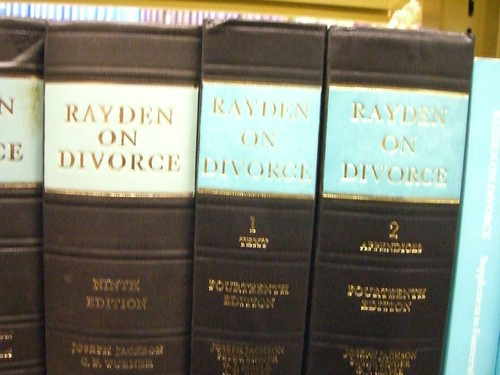


Deconstructing the Legal Act of Divorce
Divorce, or the dissolution of marriage, represents the formal termination of a marital union under the rule of law. It signifies the cancellation or reorganization of the legal duties, rights, and responsibilities inherent in marriage. This legal process, typically requiring the sanction of a court or competent authority, fundamentally alters the status of the individuals involved from married to legally single.
Unlike annulment, which declares a marriage invalid from its inception, or legal separation, which allows couples to live apart while remaining married, divorce definitively ends the marital bond. The specific legal requirements and grounds for divorce vary considerably across jurisdictions, reflecting diverse cultural and legal philosophies on marriage and its dissolution.
A Historical Trajectory of Marital Dissolution
The permissibility and ease of divorce have undergone significant transformations throughout history and across cultures. Historically, many societies viewed marriage as an indissoluble bond, making divorce exceptionally difficult or impossible. Grounds were often stringent, requiring proof of severe transgressions such as adultery, abandonment, or extreme cruelty.
The 20th century witnessed a global trend towards the liberalization of divorce laws, driven by evolving social norms, increased emphasis on individual autonomy, and changing gender roles. Countries like Ireland (1996), Chile (2004), and Malta (2011) represent more recent examples of nations that have introduced or expanded divorce rights, illustrating a continuous global dialogue on the legal recognition of marital breakdown and the right to remarry.
The Multifaceted Significance of Divorce
The significance of divorce extends far beyond the legal dissolution of a marriage; it carries profound social, economic, and psychological implications. For individuals, it marks a transition that can involve emotional adjustment, financial restructuring, and the renegotiation of family dynamics, particularly concerning children. Societally, divorce rates and patterns can serve as indicators of social change, reflecting shifts in marriage practices, economic conditions, and cultural values.
The legal framework surrounding divorce is crucial for managing these transitions, aiming to provide clarity, fairness, and protection for all parties, especially vulnerable individuals like children, through provisions for custody, support, and property division.
Navigating the Mechanics of Divorce Proceedings
The procedural aspects of divorce involve a structured legal pathway to formally end a marriage. Key issues typically addressed include the equitable distribution of marital assets and debts, the determination of spousal support (alimony), and arrangements for child custody, visitation, and child support. The complexity of these proceedings can range from uncontested divorces, where parties reach mutual agreements, to highly contested litigation requiring judicial intervention.
The legal system aims to facilitate a resolution that is both legally sound and, where possible, minimizes conflict, acknowledging the sensitive nature of dissolving a significant legal and personal relationship. The specific laws governing these matters are jurisdiction-dependent.
Global Perspectives
The global landscape of divorce law reveals a spectrum of approaches, influenced by diverse legal traditions, religious doctrines, and cultural values. While many nations permit divorce with varying degrees of ease, a few exceptions exist. The Philippines, for instance, has historically had restrictive divorce laws, with exceptions primarily for Muslim citizens, though recent legislative efforts aim to introduce broader divorce rights. Vatican City, a unique theocratic state, does not permit divorce, reflecting the strict tenets of the Catholic Church.
These contrasting legal frameworks underscore the complex interplay between state law, religious influence, and societal attitudes towards marriage and its potential dissolution worldwide.
Go deeper
Frequently Asked Questions
What is divorce?+
How does divorce differ from annulment or legal separation?+
Why do some places make it hard to get a divorce?+
What happens to children when parents get a divorce?+
When did more countries start allowing divorce?+
Based on content from Wikipedia · Licensed under CC BY-SA 4.0