

Cross River State
Images

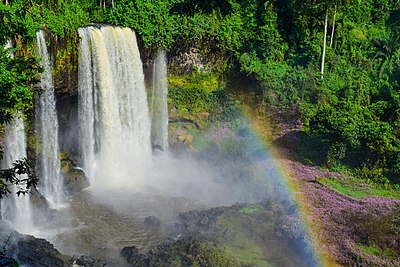
Water course, Afi Mountain Wildlife Sanctuary, Cross River State




Ecological Significance
Cross River State is an ecological treasure trove, playing a pivotal role in conservation efforts within Nigeria and West Africa. Its diverse ecoregions, including the Guinean forest–savanna mosaic, Cross–Sanaga–Bioko coastal forests, Central African mangroves, and Cameroonian Highlands forests, create a rich tapestry of habitats. This biodiversity is not merely academic; it is critical for the survival of numerous species, many of which are globally threatened.
The state is a last refuge for iconic wildlife such as the Cross River gorilla (Gorilla gorilla diehli), the drill (Mandrillus leucophaeus), and the African forest elephant (Loxodonta cyclotis). Protected areas like the Cross River National Park, Afi Mountain Wildlife Sanctuary, and Mbe Mountains Community Forest are vital in safeguarding these populations. The presence of these species underscores the state's importance in maintaining regional ecological balance and its contribution to global conservation goals.
The Cross River itself, along with its tributaries like the Calabar and Great Kwa rivers, is central to these ecosystems, supporting both terrestrial and aquatic life.
Historical Trajectories
The historical landscape of Cross River State is marked by the evolution of indigenous political structures, colonial encounters, and post-independence developments. Prior to colonial rule, the region was characterized by various ethnic groups, some of whom were integrated into larger entities like the Aro Confederacy, while others, such as the Efik, established influential city-states like Akwa Akpa (Old Calabar). This city-state became a significant trading hub and later a British protectorate in 1884, serving as the capital of the Oil Rivers Protectorate.
The subsequent incorporation into the Niger Coast Protectorate and later the Southern Nigeria Protectorate and British Nigeria brought the area under formal colonial administration. The early 20th century saw the region become a center for anti-colonial sentiment and trade through the international seaport at Calabar. Post-independence, the area navigated the complexities of the Eastern Region, the Nigerian Civil War (where Calabar was a strategic objective), and subsequent administrative reorganizations, including the eventual bifurcation that led to the creation of Akwa Ibom State.
The cession of the Bakassi Peninsula further reshaped its geopolitical boundaries.
Cultural Synthesis
Cross River State is home to a rich array of ethnic groups, including the Efik, Ekoi (Ejagham), Akunakuna, Boki, Bahumono, Yakö, Bekwarra, Bette, Igede, Mbube, and Ukelle. This demographic diversity translates into a vibrant cultural tapestry, with distinct languages, traditions, and social structures. The Efik, historically prominent in the southern riverside areas and Calabar, have played a significant role in the state's development.
The Ekoi, inhabiting the inland south, and the various groups in the central and northern regions, each contribute unique cultural elements. This cultural dynamism finds its most spectacular expression in the annual Calabar Carnival. Launched in 2004, it has grown into one of Africa's premier street festivals, attracting international attention.
The carnival is more than just a celebration; it's a platform for artistic expression, cultural exchange, and economic stimulation, showcasing the creativity and resilience of the people of Cross River State on a global stage.
Economic Foundations and Development Aspirations
The economy of Cross River State is predominantly agrarian, with significant contributions from crops such as cocoyam, rubber, oil palm, yam, cocoa, cashews, and plantain. Fishing also remains a vital sector, supporting livelihoods along its waterways and coastline. Beyond agriculture, the state is strategically leveraging its natural and cultural assets to foster economic growth, particularly through tourism. Its biodiverse wildlife reserves, the historical Ikom Monoliths, and the globally recognized Calabar Carnival are key attractions.
The Obudu Mountain Resort offers a unique destination for eco-tourism and recreation. While facing developmental challenges common to many regions, Cross River State possesses substantial potential for growth, driven by its agricultural base and burgeoning tourism sector. The state's Human Development Index, ranking among the higher tier nationally, reflects ongoing efforts in social development, complemented by numerous tertiary education institutions.
Governance and Educational Landscape
As a state within the Federal Republic of Nigeria, Cross River State operates under a democratic system of governance. It has a state government headed by a Governor, responsible for the administration and development of the state. The state legislature makes laws, and the judiciary interprets them, mirroring the federal structure.
Administratively, the state is divided into local government areas, each with its own council. In terms of education, Cross River State is committed to providing learning opportunities across various levels. It hosts several institutions of tertiary education, contributing to the development of skilled professionals and fostering research.
These institutions play a crucial role in the state's human capital development, equipping its citizens with the knowledge and skills necessary for personal advancement and contributing to the state's overall progress and economic diversification.
See also
Frequently Asked Questions
What is Cross River State?+
What animals can you find in Cross River State?+
Why is the Cross River important for animals?+
What is the Calabar Carnival?+
Which people live in Cross River State?+
Based on content from Wikipedia · Licensed under CC BY-SA 4.0