

Cameroon
Images

Cameroon




Opens Google Maps in new tab
Geographical Tapestry
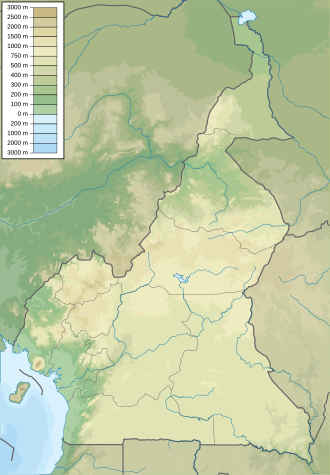
Cameroon's geography is remarkably diverse, earning it the moniker 'Africa in Miniature.' Its territory spans a wide array of biomes, from the volcanic highlands of the Southwest Region, dominated by the imposing Mount Cameroon (4,095 meters), one of Africa's highest peaks, to the dense equatorial rainforests of the south and east. Moving north, the landscape transitions through savannas and eventually to the semi-arid Sahelian zone bordering Lake Chad. This varied topography supports a rich biodiversity.
The country's extensive coastline along the Bight of Biafra, part of the Gulf of Guinea, is crucial for its maritime trade and features important port cities like Douala and Limbé. Its position at the crossroads of West and Central Africa has historically made it a significant transit point and a region of cultural confluence.
Historical Trajectories
The historical narrative of Cameroon is layered, beginning with early inhabitants like the Sao civilization around Lake Chad and the Baka hunter-gatherers in the rainforests. The arrival of Portuguese explorers in the 15th century marked the beginning of external contact. The 19th century saw the rise of powerful local entities, such as the Adamawa Emirate in the north and various chiefdoms and fondoms in the west.
German colonization in 1884 established Kamerun, which was later divided into mandates under French and British administration after World War I. The struggle for independence was complex, with the Union of the Peoples of Cameroon (UPC) advocating for liberation, leading to insurgency. Independence was achieved in stages in 1960 and 1961, forming a federation that later unified.
The nation has since navigated periods of political consolidation and presidential leadership, with President Paul Biya holding office since 1982, making him one of the world's longest-serving leaders.
Cultural Mosaic
Cameroon is a vibrant testament to human diversity, particularly evident in its linguistic landscape. With an estimated 250 indigenous languages spoken alongside the official French and English, it is one of the most linguistically diverse countries globally. This rich heritage is a source of national pride but also contributes to complex social dynamics, including ongoing tensions in the Anglophone regions advocating for greater autonomy or separation.
Beyond language, Cameroon's culture is expressed through its music, with genres like Makossa, Njang, and Bikutsi gaining international recognition. Traditional arts, crafts, and culinary traditions further enrich this cultural tapestry. The nation's identity is a dynamic interplay of its numerous ethnic groups, historical influences, and its unique position within Africa.
Economic Foundations and Development Challenges
The Cameroonian economy is characterized by a significant agricultural sector, where subsistence farming remains a primary livelihood for a large portion of the population. Key cash crops include cocoa, coffee, cotton, and bananas. The country also possesses natural resources, including timber and minerals, and a developing industrial base.
Douala serves as the economic heart, functioning as the nation's main seaport and commercial hub. Despite its potential, Cameroon faces challenges related to infrastructure development, diversification of its economy away from primary commodities, and equitable distribution of wealth. Its membership in international organizations like the African Union and the Commonwealth of Nations underscores its role in regional and global economic dialogues.
Governance and Societal Dynamics
Cameroon operates as a unitary presidential republic. The political system has been largely dominated by President Paul Biya since 1982, following his predecessor Ahmadou Ahidjo. The country's governance structure aims to balance central authority with regional administration.
However, significant societal challenges persist, most notably the Anglophone Crisis, which began in 2017. Tensions stemming from historical grievances and demands for greater decentralization or independence in the English-speaking regions have escalated into armed conflict, impacting human rights and stability. The majority religion is Christianity, with significant Muslim and traditional faith minorities.
Navigating these internal dynamics while fostering national unity and development remains a key focus for the nation.
Go deeper
Frequently Asked Questions
What is Cameroon known for?+
How many languages are spoken in Cameroon?+
What is the highest mountain in Cameroon?+
Why is Douala important to Cameroon?+
What are some popular music styles from Cameroon?+
Based on content from Wikipedia · Licensed under CC BY-SA 4.0