

Corrientes Province
Images

File:Yapeyú, Corrientes Province, Argentina - panoramio (5).jpg




The Hydrological Heartbeat of Corrientes
Corrientes Province is fundamentally defined by its hydrography, a defining characteristic that permeates its ecology, economy, and culture. Situated in Argentina's northeastern Mesopotamia region, it is cradled by major river systems, most notably the Paraná River to its west and the Uruguay River to its east, along with numerous tributaries and the vast Iberá Wetlands. This intricate network of waterways creates a landscape dominated by floodplains, marshes, and lagoons, influencing soil composition, vegetation patterns, and the very rhythm of life.
The province's name, 'Corrientes,' directly translates to 'currents,' a perpetual reminder of the dynamic water flows that have sculpted its terrain over millennia. This hydrological abundance is not merely scenic; it is the engine of the region's primary economic activities, such as rice cultivation, which thrives in the water-rich environment, and fishing. Furthermore, the wetlands act as critical natural regulators, mitigating floods and droughts, and sustaining a delicate ecological balance that extends far beyond the province's borders.
Understanding Corrientes requires appreciating the profound and multifaceted influence of its water systems.
Chronicles of Currents
The historical narrative of Corrientes Province is a rich tapestry woven from indigenous heritage, colonial encounters, and regional development. Prior to European arrival, the land was home to the Guaraní people, whose deep connection to the environment, particularly the rivers, is reflected in their language and traditions, with 'Taragui' being a significant Guaraní name for the region. The Spanish colonization, beginning in the 16th century, established Corrientes city in 1588 as a strategic outpost.
The province's development was subsequently shaped by its geographical position, acting as a buffer and a transit point between different colonial powers and indigenous territories. Over centuries, Corrientes developed a distinct cultural identity, a fusion of its Guaraní roots, Spanish influences, and later, contributions from European immigrants and African slaves. Its history is marked by periods of economic growth tied to agriculture and cattle ranching, as well as political shifts within Argentina.
The enduring legacy of these historical layers is evident today in its architecture, its social structures, and its vibrant cultural expressions, particularly its unique folklore and music.
Corrientes' Significance
The significance of Corrientes Province extends far beyond its national boundaries, primarily due to its extraordinary biodiversity and its role as a custodian of unique cultural heritage. The Iberá Wetlands, a sprawling complex of marshes, lagoons, and forests, represent one of South America's most vital and intact wetland ecosystems. This environment supports an astonishing array of flora and fauna, including iconic species like the capybara, caiman, giant otter, and over 350 species of birds, many of which are endemic or endangered.
The conservation efforts within Iberá are crucial for maintaining regional ecological stability and contributing to global biodiversity goals. Culturally, Corrientes is a powerhouse of Argentine folklore. It is the birthplace of 'chamamé,' a musical genre recognized by UNESCO as Intangible Cultural Heritage of Humanity.
Chamamé, with its distinctive accordion melodies and heartfelt lyrics, encapsulates the rural spirit, the history, and the romanticism of the region, serving as a powerful symbol of Corrientes' identity. The province's cultural landscape is a testament to the successful syncretism of indigenous, European, and African traditions, making it a vital contributor to Argentina's diverse cultural mosaic.
Ecological and Socio-Economic Dynamics
The functional dynamics of Corrientes Province are a complex interplay of its natural environment and human activities. Ecologically, the province's vast wetlands, particularly the Iberá system, operate as a critical hydrological regulator. They absorb immense volumes of water, mitigating the impact of seasonal floods and ensuring a more stable water supply during drier periods, thereby supporting downstream ecosystems and human settlements.
This natural water management is fundamental to the province's agricultural productivity, especially for rice farming, which is heavily reliant on consistent water availability. The subtropical climate, characterized by high temperatures and humidity, further enhances agricultural potential and supports the lush biodiversity. Socio-economically, Corrientes faces challenges and opportunities.
While agriculture and cattle ranching form the backbone of its economy, there is a growing emphasis on ecotourism, leveraging the province's natural attractions, particularly the Iberá Wetlands. This shift aims to create sustainable economic development while preserving the delicate ecosystems. The province also grapples with issues of infrastructure development and equitable resource distribution, common to many regions with extensive natural landscapes and significant rural populations.
The ongoing efforts in conservation and sustainable development are crucial for ensuring the long-term viability of both its natural heritage and its communities.
Corrientes in Context
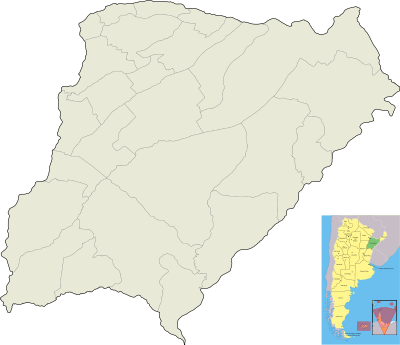
Corrientes Province's significance is amplified by its strategic position within Argentina and its connections to neighboring countries. Its location in the Mesopotamia region, bordered by Paraguay, Brazil, and Uruguay, positions it as a crucial bridge for regional trade, cultural exchange, and transportation. The province serves as a gateway to Mercosur markets, facilitating economic interactions that extend beyond Argentina's borders.
Modern relevance is also found in its role in conservation science and sustainable tourism. The ongoing rewilding projects within the Iberá Wetlands, aimed at restoring native species and ecological processes, are internationally recognized and offer valuable lessons for conservation efforts worldwide. Furthermore, the growing popularity of ecotourism in Corrientes provides a model for how natural resource preservation can be integrated with economic development, creating opportunities for local communities while safeguarding biodiversity.
The province's cultural heritage, particularly the enduring popularity of chamamé music, also plays a role in national identity and cultural diplomacy, showcasing a unique facet of Argentine culture to the global stage. Corrientes, therefore, is not just a geographical entity but a dynamic hub of ecological importance, cultural expression, and regional integration.
See also
Frequently Asked Questions
What does the name "Corrientes" mean?+
Why are the rivers important in Corrientes Province?+
What animals can live in the Iberá Wetlands?+
Who lived in Corrientes before the Spanish came?+
What kind of music and folklore comes from Corrientes?+
Based on content from Wikipedia · Licensed under CC BY-SA 4.0