

Computing
Images
Computing


Defining the Digital Realm
Computing is the scientific and engineering discipline concerned with the theory, design, development, and application of computation. It encompasses the study of algorithms, data structures, and computational processes, enabling machines to perform tasks by executing sequences of instructions. This field is not limited to traditional computers; it extends to embedded systems, artificial intelligence, and the vast network of interconnected devices that form the internet of things.
At its core, computing provides the tools and methodologies to solve complex problems, automate processes, and unlock new frontiers of knowledge and innovation across virtually every sector of human endeavor.
From Mechanical Dreams to Electronic Realities
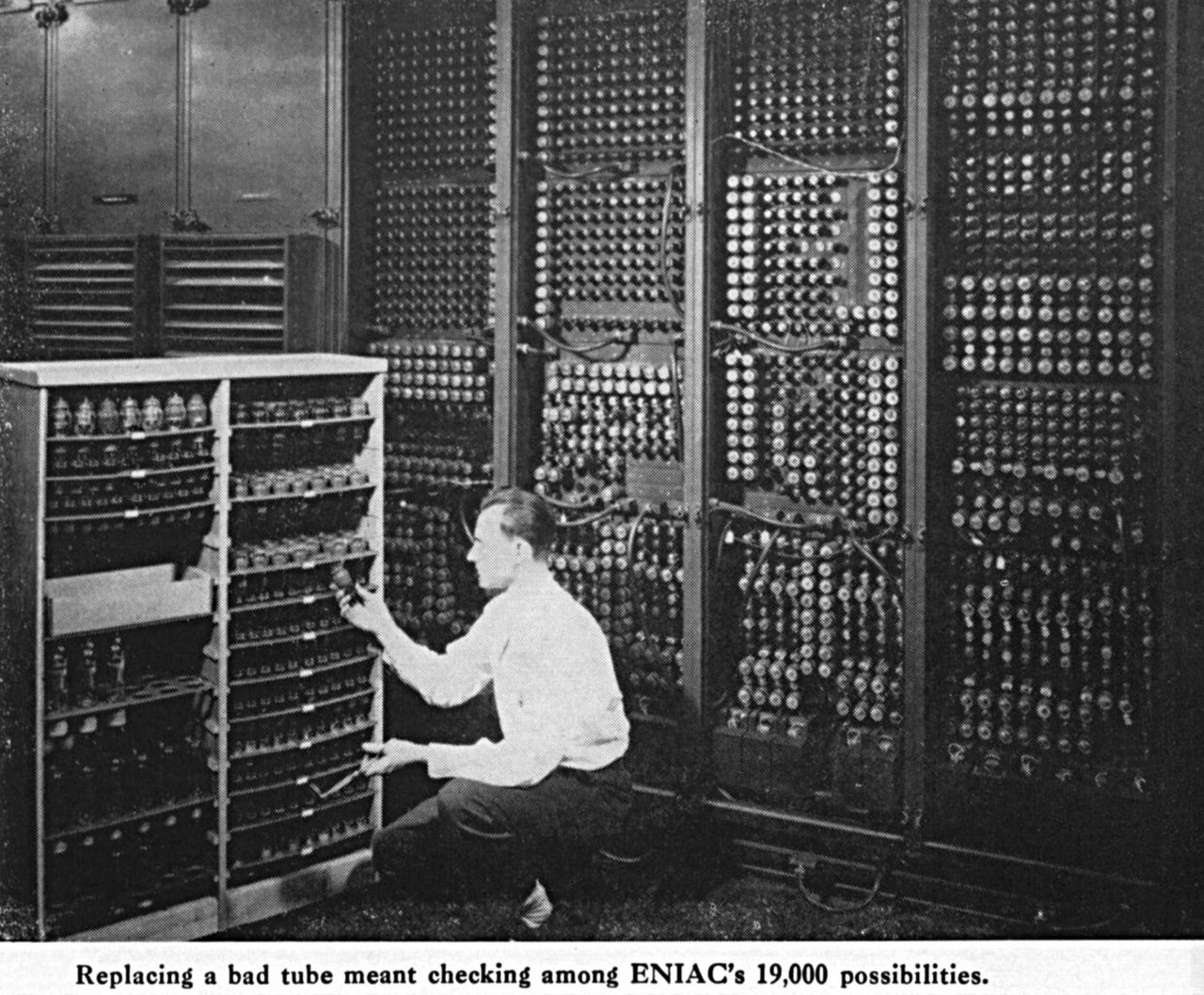
The lineage of computing stretches back to ancient abacuses and mechanical calculators, but the modern era began with the theoretical groundwork laid by mathematicians like Alan Turing in the 1930s. The first electronic general-purpose digital computers, such as ENIAC and EDVAC, emerged in the 1940s and 1950s. These behemoths, utilizing vacuum tubes, were slow, power-hungry, and prone to failure.
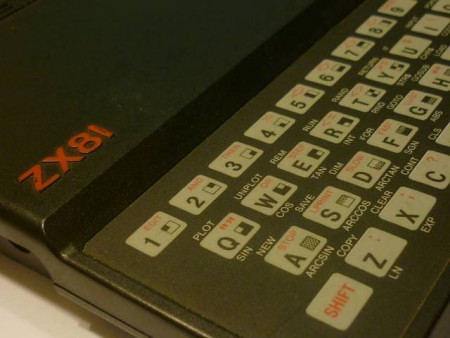
The invention of the transistor in 1947 and the integrated circuit (IC) in the late 1950s marked pivotal shifts, enabling dramatic miniaturization and increased reliability. This led to the development of minicomputers and, by the 1970s and 80s, the personal computer revolution, democratizing access to computational power and paving the way for the digital age.
The Architecture of Computation
The fundamental operation of a computer relies on a sophisticated interplay of hardware and software. The Central Processing Unit (CPU) executes instructions fetched from memory, performing arithmetic and logical operations. Memory, particularly Random Access Memory (RAM), serves as a high-speed workspace for active data and programs.
Storage devices (HDDs, SSDs) provide persistent data retention. Input/Output (I/O) devices facilitate interaction with the external world. All these components communicate via a system bus, orchestrated by an operating system that manages resources and provides a platform for applications. The underlying language is binary, where all data and instructions are represented as sequences of 0s and 1s, processed by logic gates.
The Indispensable Engine
Computing's significance lies in its transformative impact on society, economy, and culture. It has revolutionized scientific research, enabling simulations of unprecedented complexity in fields like genomics, astrophysics, and materials science. In industry, it drives automation, optimizes supply chains, and facilitates global commerce. Communication has been fundamentally altered by the internet and mobile computing, fostering interconnectedness and instant information exchange.
Furthermore, computing is the bedrock of emerging technologies such as artificial intelligence, machine learning, and quantum computing, promising further radical advancements and posing new ethical and societal challenges that require careful consideration and proactive governance.
Ubiquitous Computing
The applications of computing are virtually limitless and continue to expand. In healthcare, it powers diagnostic imaging, electronic health records, and robotic surgery. Financial markets rely on high-frequency trading algorithms and sophisticated risk management systems.
Transportation systems, from air traffic control to autonomous vehicles, are heavily dependent on computational power. Entertainment industries leverage computing for visual effects, game development, and content delivery. Even everyday objects are becoming 'smart' through embedded computing, forming the Internet of Things (IoT), where devices collect and exchange data to improve efficiency and user experience, from smart homes to industrial sensor networks.
Go deeper
Frequently Asked Questions
What is computing?+
How does a computer do its job?+
Why are computers useful?+
When did computers first appear?+
What parts make up a computer?+
Based on content from Wikipedia · Licensed under CC BY-SA 4.0