

Memory
Images
Memory
The Neurological Symphony of Memory Formation
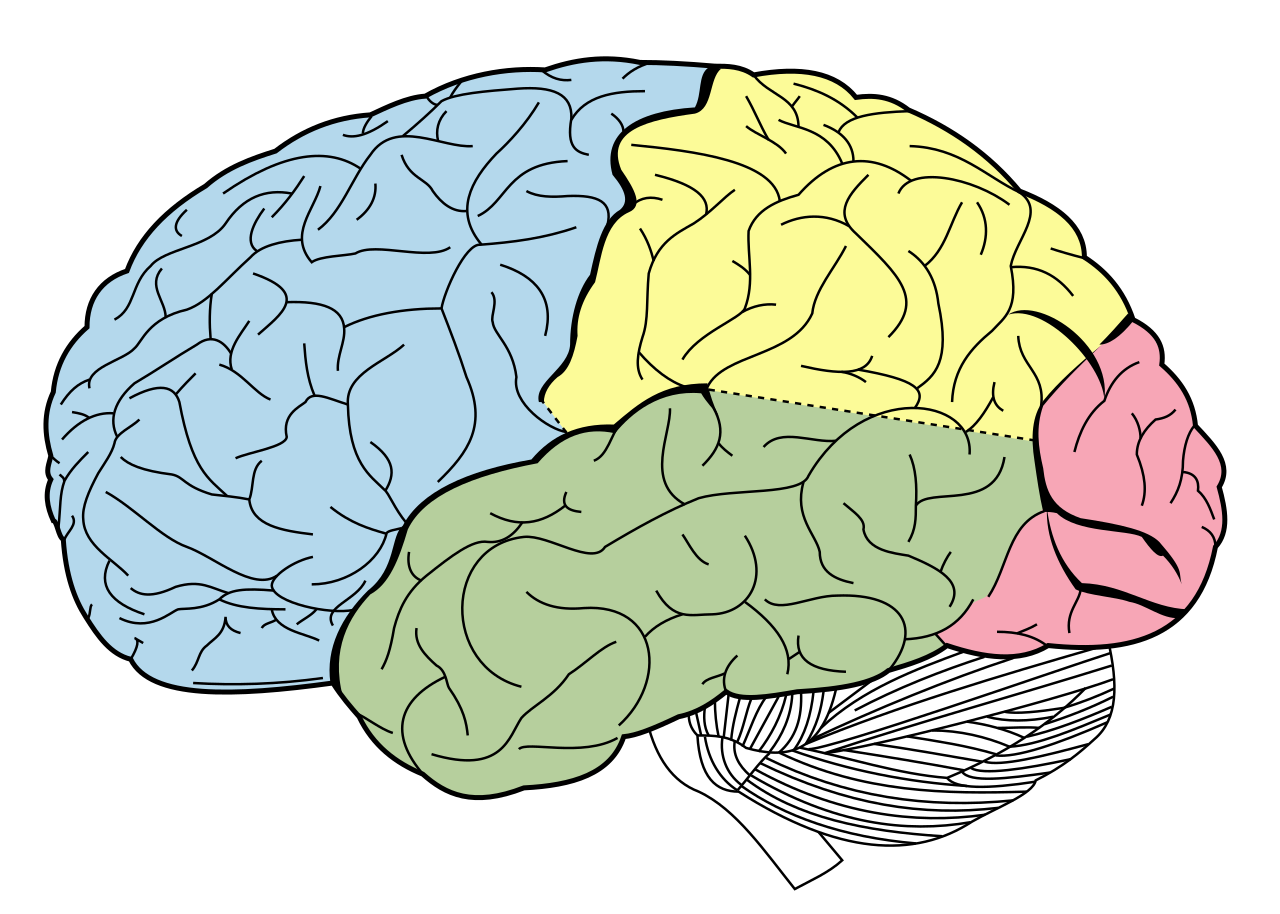
Memory is not a singular entity but a complex interplay of neurological processes distributed across various brain regions. At its core, memory formation, or encoding, involves transforming sensory stimuli into neural representations. This process is heavily influenced by attention and emotional salience, with the hippocampus playing a critical role in consolidating new declarative memories (facts and events).
The amygdala, meanwhile, imbues memories with emotional context, enhancing their strength and recall. Synaptic plasticity, the ability of neural connections to change in strength, is the fundamental mechanism. Long-term potentiation (LTP) and long-term depression (LTD) are key forms of synaptic plasticity that underlie memory storage.
These changes can involve alterations in neurotransmitter release, receptor density, and even structural modifications of synapses, creating durable neural pathways. The distributed nature of memory means that recalling a single memory can activate a network of neurons across different cortical areas, reconstructing the experience rather than retrieving a static file.
A Historical Odyssey
The study of memory spans millennia, evolving from philosophical speculation to rigorous scientific inquiry. Early thinkers like Aristotle explored the principles of association, suggesting that memories are linked by contiguity, similarity, and contrast. The Renaissance and Enlightenment saw further development of these ideas, with philosophers like John Locke proposing the mind as a blank slate (tabula rasa) filled by experience.
A pivotal shift occurred in the late 19th century with Hermann Ebbinghaus's pioneering experimental approach. His meticulous self-experimentation led to the development of the forgetting curve and the concept of spaced repetition, demonstrating that memory could be quantified. The 20th century witnessed the rise of cognitive psychology, with researchers like Frederic Bartlett challenging the atomistic view of memory and emphasizing its reconstructive nature, influenced by schemas and prior knowledge.
Modern neuroscience, utilizing neuroimaging techniques such as fMRI and EEG, has provided unprecedented insights into the brain's memory systems, distinguishing between explicit (declarative) and implicit (non-declarative) memory, and identifying specific neural substrates for different memory types.
The Indispensable Role of Memory in Human Cognition and Identity
Memory is the bedrock upon which human cognition and identity are built. It is indispensable for learning, enabling us to acquire knowledge, skills, and understanding. Without memory, education would be impossible, as each moment would be a novel experience devoid of context.
Furthermore, memory is intrinsically linked to our sense of self. Our autobiographical memories-the narrative of our life experiences-form our personal identity, providing continuity and coherence across time. This narrative allows us to understand our past, navigate our present, and plan for our future.
Memory also underpins social interaction; recognizing faces, understanding social cues, and recalling shared histories are vital for forming and maintaining relationships. Pathologies of memory, such as amnesia or dementia, profoundly disrupt an individual's ability to function, highlighting its fundamental importance to our existence and our very humanity.
The Multifaceted Architecture of Memory Systems
Contemporary understanding categorizes memory into several interconnected systems. Explicit (or declarative) memory, which can be consciously recalled, is further divided into episodic memory (personal experiences) and semantic memory (general knowledge and facts). Implicit (or non-declarative) memory, which influences behavior without conscious awareness, includes procedural memory (skills and habits), priming, classical conditioning, and non-associative learning.
The consolidation of memories, particularly from short-term to long-term storage, is a dynamic process that often occurs during sleep, involving the hippocampus and neocortex. Reconsolidation, the process by which retrieved memories become temporarily labile and susceptible to modification, offers intriguing possibilities for therapeutic interventions, such as weakening traumatic memories. The interplay between these systems, their neural substrates, and their dynamic nature underscores the complexity and sophistication of the human memory apparatus.
Memory's Contemporary Relevance
The study of memory has far-reaching implications in the modern world. In artificial intelligence, understanding human memory has inspired the development of sophisticated learning algorithms and neural networks that mimic aspects of human memory storage and retrieval. In education, insights into memory processes inform pedagogical strategies, emphasizing techniques like spaced repetition and active recall to enhance learning efficiency.
Clinically, memory research is crucial for understanding and treating memory disorders, including Alzheimer's disease, post-traumatic stress disorder (PTSD), and amnesia. Therapeutic approaches, such as cognitive behavioral therapy (CBT) and memory reconsolidation techniques, leverage our understanding of how memories are formed, stored, and retrieved to alleviate psychological distress. The ongoing exploration of memory continues to push the boundaries of neuroscience, psychology, and technology, promising deeper insights into the human mind.
Go deeper
Frequently Asked Questions
What is memory and how does it work in my brain?+
Why do emotional moments stay in my memory longer?+
How do scientists see what happens in the brain when we remember?+
What is the forgetting curve and why do we forget?+
How does memory help me learn new things?+
Based on content from Wikipedia · Licensed under CC BY-SA 4.0