

Input: How We Tell Computers What to Do!
Images
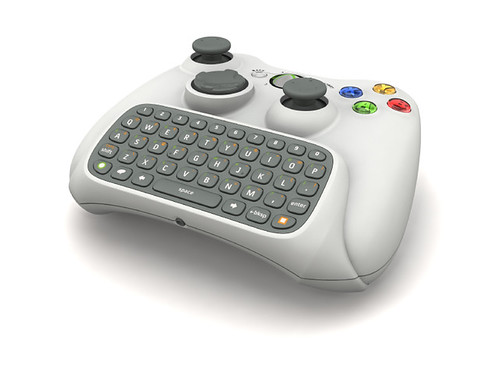
New Xbox 360 Text Input device (side view)


Defining Input
Input, in the realm of computing and technology, refers to any data, signal, or instruction provided to a system that influences its behavior or output. It is the essential conduit through which users or other systems communicate with a computational device. Without input, a computer system remains inert, incapable of performing any task or generating any meaningful result.
Input can range from discrete events, such as a single keystroke or mouse click, to continuous streams of data, like audio from a microphone or video from a camera. The nature and format of input are dictated by the system's design and the intended application. Understanding input is fundamental to comprehending how humans interact with machines and how machines process information to achieve desired outcomes.
It is the initiating force that drives all computational processes.
The Historical Trajectory of Input Technologies
The evolution of input methods mirrors the progression of computing itself. Early computing relied on cumbersome, batch-oriented input mechanisms like punch cards and paper tape, which required significant preparation and were prone to errors. The advent of interactive computing in the mid-20th century was propelled by the development of the keyboard and the mouse.
These devices enabled direct manipulation and real-time interaction, transforming computing from a specialized task into a more accessible tool. The graphical user interface (GUI), popularized by systems like the Xerox Alto and later Apple Macintosh, further cemented the mouse's role. The late 20th and early 21st centuries witnessed the rise of touchscreens, driven by mobile computing, offering a more direct and intuitive form of input.
More recently, advancements in artificial intelligence and sensor technology have led to sophisticated input methods like voice recognition, gesture control, and even brain-computer interfaces, pushing the boundaries of seamless human-machine communication.
The Indispensable Role of Input in Modern Technology
Input is not merely a functional necessity; it is the cornerstone of user experience, personalization, and the very utility of technology. It empowers users to tailor digital environments to their specific needs and preferences, from customizing desktop layouts to dictating search queries. In fields like robotics and automation, precise input is critical for controlling complex machinery and ensuring safety.
In data science and machine learning, the quality and quantity of input data directly determine the accuracy and effectiveness of models. Furthermore, input technologies are increasingly enabling accessibility for individuals with disabilities, opening up new avenues for participation in the digital world. The continuous innovation in input methods reflects a broader trend towards more natural, intuitive, and integrated human-computer interaction, making technology more pervasive and powerful.
Mechanisms of Input
At its core, input involves a process of transduction, where physical phenomena are converted into electrical signals that a computer can interpret. For example, a keyboard key press actuates a switch, generating a unique electrical code representing that character. A microphone diaphragm vibrates in response to sound waves, and a transducer converts these vibrations into an analog electrical signal, which is then digitized.
Optical sensors in a mouse track movement by detecting changes in reflected light. Capacitive or resistive touchscreens detect the presence and location of a finger by measuring changes in electrical fields or resistance. These raw electrical signals are then processed, filtered, and interpreted by the computer's hardware and software.
This involves tasks like debouncing (for switches), amplification, analog-to-digital conversion (ADC), and encoding into standardized data formats that the operating system and applications can readily use.
Diverse Applications and Future Frontiers of Input
The applications of input technologies are vast and continually expanding. Beyond the ubiquitous keyboard and mouse, we see specialized input devices in fields like virtual reality (VR) and augmented reality (AR) using motion controllers and eye-tracking. Medical devices rely on precise input for diagnostics and treatment. Industrial control systems use sensors and human-machine interfaces (HMIs) for monitoring and operation.
The future of input promises even more seamless integration. Research is ongoing in areas like haptic feedback, allowing users to 'feel' digital objects, and advanced biometric authentication using facial recognition or fingerprint scanning. The ultimate goal is to create input methods that are so natural and unobtrusive that the technology feels like an extension of ourselves, blurring the lines between the physical and digital realms.
Go deeper
Based on content from Wikipedia · Licensed under CC BY-SA 4.0