

Classicism: Art from Long Ago!
Images
Classicism
The Philosophical Underpinnings of Classical Aesthetics
Classicism is more than an artistic style; it is a philosophical stance that emerged from the intellectual and cultural achievements of ancient Greece and Rome. At its core, Classicism values reason, order, and clarity above all else. Ancient Greek thinkers like Plato and Aristotle explored concepts of ideal forms and universal truths, which deeply influenced their artistic and architectural endeavors.
This led to an aesthetic that prioritized balance, symmetry, and proportion, believing these qualities reflected a divine or natural order. The human form, when depicted, was often idealized to represent perfection rather than individual likeness. This emphasis on rational principles and objective beauty, rather than subjective emotion or individual expression, became a foundational element of Western aesthetic theory, influencing subsequent artistic movements that sought to emulate or react against these classical ideals.
The pursuit was not merely decorative but aimed at conveying moral and intellectual virtues.
From Antiquity to the Enlightenment
The legacy of Classicism is not a static relic but a dynamic dialogue across centuries. Following the fall of the Roman Empire, classical knowledge was preserved and later rediscovered during the Renaissance, leading to a revival of classical forms and ideas. Artists and scholars meticulously studied ancient texts and surviving artworks, seeking to understand and replicate the perceived genius of antiquity.
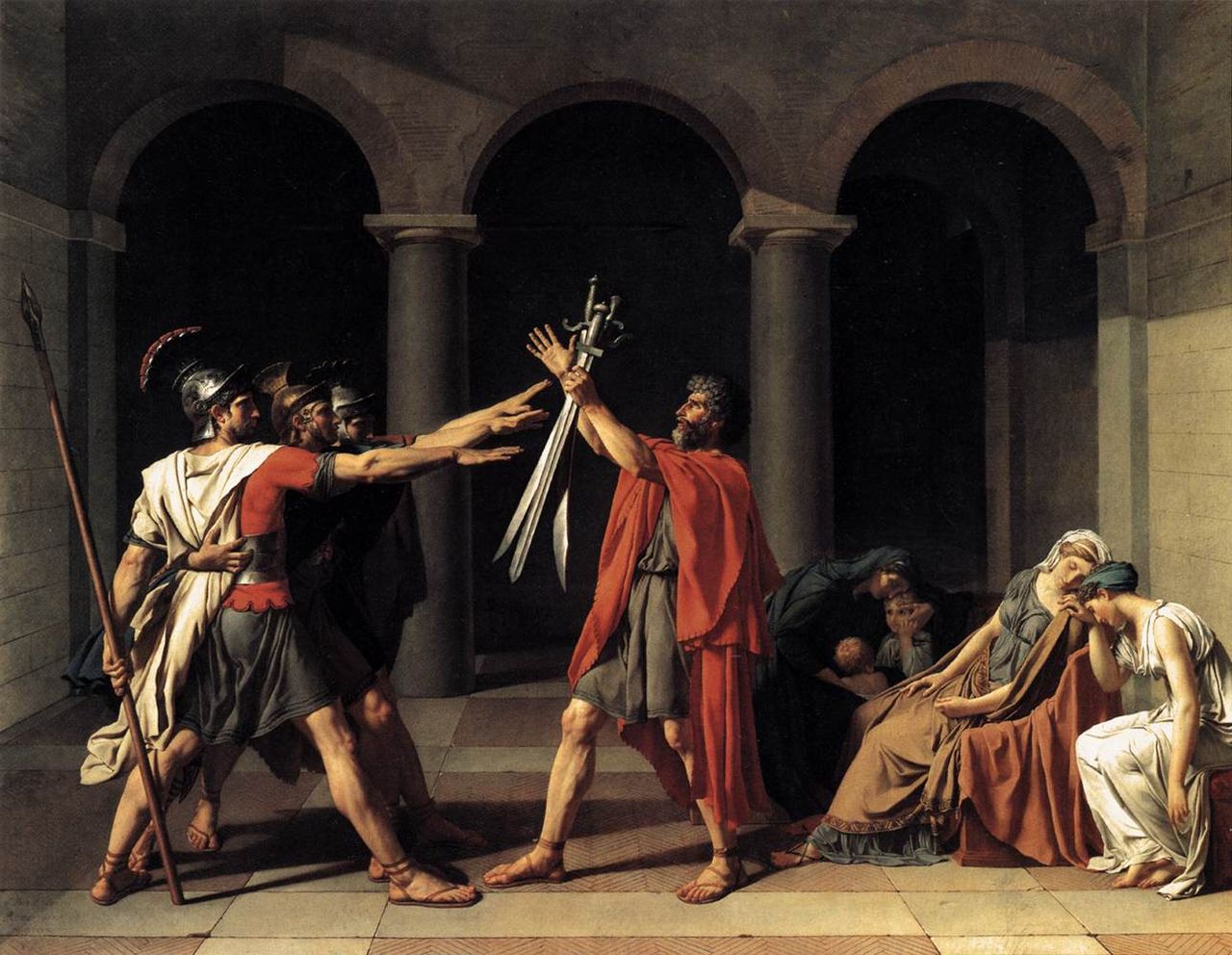
This culminated in the Neoclassical movement of the 18th century, which coincided with the Enlightenment. Neoclassical artists and architects consciously adopted classical styles to express ideals of reason, civic virtue, and order, often in contrast to the perceived excesses of the preceding Baroque and Rococo periods. This era saw a deliberate return to the perceived purity and rationality of ancient Greek and Roman art, influencing everything from grand public buildings to intimate portraits, and serving as a visual language for revolutionary and republican ideals.
The Enduring Significance of Classical Ideals
The significance of Classicism extends far beyond its aesthetic qualities; it represents a persistent aspiration for order, reason, and enduring beauty in human creation. Its principles of balance, harmony, and proportion continue to inform design across various disciplines, from architecture and urban planning to graphic design and even user interface development. The emphasis on clarity and logical structure provides a framework for understanding and appreciating complex systems.
Moreover, Classicism’s focus on universal ideals and timeless truths offers a counterpoint to the ephemeral nature of contemporary trends. It encourages a critical engagement with foundational principles and a search for lasting value. By studying Classicism, we gain insight into the historical development of Western thought and culture, understanding how ancient ideals have shaped our perception of beauty, order, and human potential.
Identifying Classicism
Recognizing Classicism involves looking for specific formal characteristics and understanding the underlying philosophy. Architecturally, this includes the use of classical orders (Doric, Ionic, Corinthian), symmetrical layouts, prominent columns, pediments, domes, and a sense of monumental scale and stability. Examples include the Parthenon, the Pantheon, and later structures like the Brandenburg Gate or the U.S. Capitol Building.
In sculpture, Classicism favors idealized, often heroic, human figures rendered with anatomical precision and emotional restraint. Paintings typically feature balanced compositions, clear narrative structures, and a focus on historical, mythological, or allegorical themes, often with a didactic purpose. The overall impression is one of control, restraint, and intellectual rigor, reflecting the belief that true beauty lies in rational order and perfected form, rather than raw emotion or spontaneous expression.
Go deeper
Frequently Asked Questions
What is Classicism in art?+
Why did Classicism focus on balance and symmetry?+
How did Classicism influence later art movements like the Renaissance or Neoclassical?+
What are some architectural features of Classicism?+
Why is Classicism still important today?+
Based on content from Wikipedia · Licensed under CC BY-SA 4.0