

Citrus: The Zesty Family of Fruits!
Images
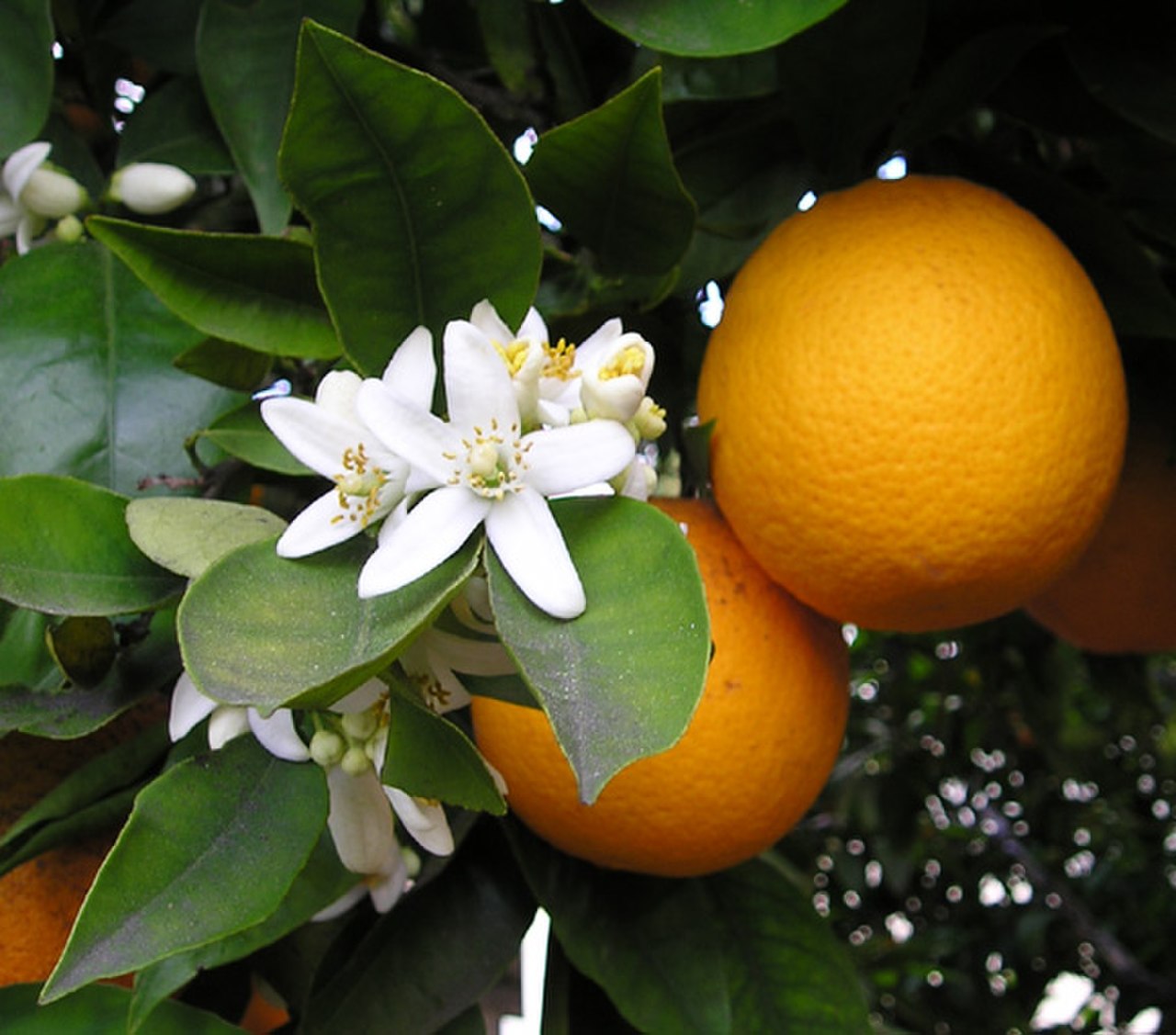
Citrus
The Ancient Roots and Botanical Evolution of Citrus
The genus Citrus, belonging to the family Rutaceae, boasts a rich evolutionary history deeply intertwined with human migration and agricultural development. The prevailing scientific consensus points to a primary center of origin in the subtropical regions of Southeast Asia, encompassing areas like Northeast India, Myanmar, and Southwest China. Here, ancestral wild citrus species, such as the citron (Citrus medica) and pomelo (Citrus maxima), likely served as the progenitors for many modern cultivars.
These early forms were often characterized by their bitterness, numerous seeds, and thick rinds. Over millennia, through deliberate selection by early agriculturalists and natural hybridization events, a remarkable diversity of citrus fruits emerged. The spread of citrus across continents was facilitated by ancient trade routes, with key species like the orange (a hybrid of pomelo and mandarin) and lemon (likely a hybrid involving citron and bitter orange) becoming globally significant.
Understanding this evolutionary trajectory is crucial for appreciating the genetic basis of citrus diversity and the challenges of modern citrus breeding and conservation.
Nutritional Profile and Health Implications of Citrus Consumption
Citrus fruits are renowned for their significant contribution to human nutrition, primarily due to their high concentration of Vitamin C (ascorbic acid). This water-soluble vitamin acts as a potent antioxidant, neutralizing harmful free radicals and playing a vital role in immune function, collagen synthesis, and iron absorption. Beyond Vitamin C, citrus fruits are a valuable source of dietary fiber, particularly soluble fiber, which aids in digestive health and can help regulate blood sugar and cholesterol levels.
They also contain a spectrum of beneficial phytochemicals, including flavonoids (such as hesperidin and naringenin) and carotenoids. Flavonoids exhibit antioxidant and anti-inflammatory properties, potentially contributing to cardiovascular health and cancer prevention. Carotenoids, responsible for the vibrant colors of many citrus fruits, can be converted into Vitamin A in the body, essential for vision and immune function.
Regular consumption of citrus fruits is associated with a reduced risk of chronic diseases, underscoring their importance in a balanced diet.
The Chemistry of Zest
The distinctive sensory appeal of citrus fruits stems from a complex interplay of chemical compounds, primarily acids, sugars, and volatile aromatic oils. The characteristic tartness is attributed to citric acid, with the concentration varying significantly among species. Sweetness is provided by sucrose, fructose, and glucose.
However, it is the essential oils, predominantly found in the flavedo (the colored outer layer of the peel), that define the unique aromas and flavors. These oils are rich in terpenes, with limonene being the most abundant compound, responsible for the fresh, clean scent of citrus. Other terpenes and oxygenated compounds contribute to the nuanced fragrance profiles of different fruits.
For instance, the aroma of grapefruit is influenced by compounds like nootkatone, while mandarins possess unique esters that give them their sweet, floral notes. These essential oils are not only responsible for flavor but are also commercially extracted for use in perfumery, flavorings, and aromatherapy, highlighting the economic significance of citrus chemistry.
Culinary Versatility and Economic Impact of Citrus
Citrus fruits are indispensable ingredients in global cuisine, valued for their ability to enhance, balance, and transform dishes. Their juice serves as a natural tenderizer for meats, a bright acidic component in dressings and marinades, and a base for beverages ranging from simple lemonade to complex cocktails. The zest, packed with aromatic oils, imparts intense flavor without adding significant liquid, making it ideal for baked goods, sauces, and desserts.
Beyond fresh consumption and culinary applications, citrus fruits are processed into a wide array of products, including juices, marmalades, candied peels, essential oils, and pectin. The economic impact of the citrus industry is substantial, supporting agricultural economies worldwide. Major producing regions include Brazil, China, India, the United States, and Mexico, with oranges, mandarins, lemons, and limes being the most commercially important species.
The industry faces ongoing challenges related to disease management (such as citrus greening), climate change, and market fluctuations, necessitating continuous research and innovation.
Related Topics
The influence of citrus extends far beyond the fruit itself, touching upon various scientific, agricultural, and cultural domains. Botanically, citrus fruits are classified within the genus Citrus, which is part of the larger family Rutaceae. This classification helps scientists understand their genetic relationships and evolutionary pathways.
In agriculture, citrus cultivation is a major global industry, requiring specific climatic conditions and facing challenges like pest control and disease management. Research into citrus genetics and breeding is ongoing to develop more resilient and flavorful varieties. Medicinally, the high Vitamin C content and presence of flavonoids in citrus have been studied for their health benefits, including immune support and antioxidant effects.
Culturally, citrus fruits have symbolic meanings in various traditions, often representing prosperity, purity, or good luck. The essential oils derived from citrus peels are widely used in aromatherapy and the fragrance industry, demonstrating their multifaceted applications. Understanding these related topics provides a comprehensive view of citrus's significance in human society and the natural world.
Go deeper
Based on content from Wikipedia · Licensed under CC BY-SA 4.0