

Chulalongkorn University
Images
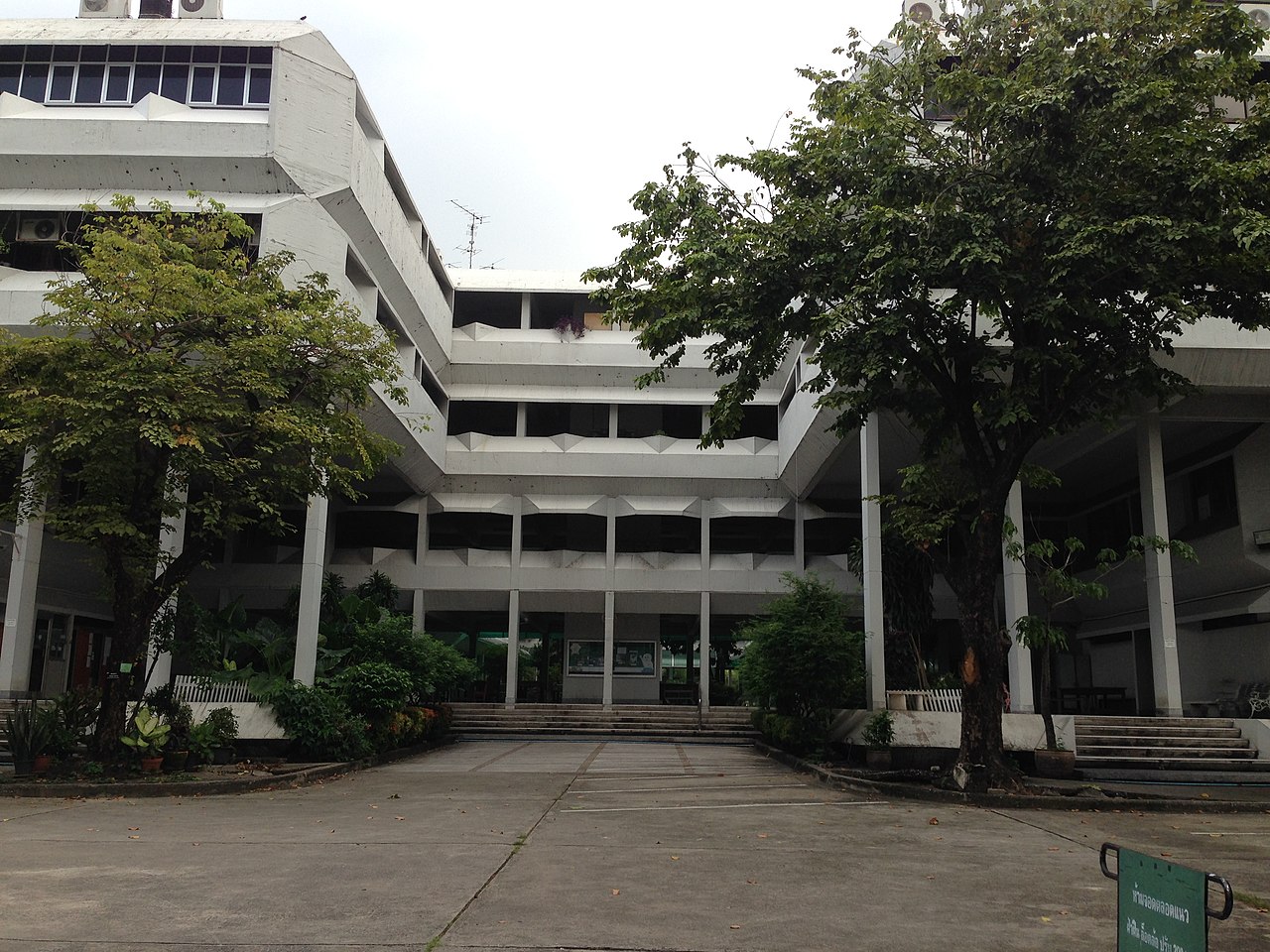
Faculty of Pharmaceutical, Chulalongkorn University 1


Genesis of an Academic Institution
Chulalongkorn University (CU) stands as a foundational pillar of higher education in Thailand, tracing its origins to 1899. Initially established as a school for training royal pages and civil servants within the Grand Palace during King Chulalongkorn's reign, its purpose was to cultivate a skilled bureaucracy essential for the kingdom's modernization. This nascent institution evolved significantly under King Chulalongkorn's son, King Vajiravudh.
The Royal Pages School was reorganized into the Civil Service College of King Chulalongkorn, marking a crucial step towards formalizing higher learning. The college's academic infrastructure benefited from international support, notably from the Rockefeller Foundation, which played a pivotal role in shaping its curriculum and research capabilities. The pivotal moment arrived on March 26, 1917, when King Vajiravudh officially elevated the institution to university status, renaming it Chulalongkorn University in honor of his father.
This act not only established Thailand's first national university but also cemented its legacy as a symbol of national progress and intellectual development.
A Nexus of Research and Global Collaboration
Chulalongkorn University is distinguished as one of Thailand's National Research Universities, a designation that underscores its commitment to pioneering research and academic excellence. This status signifies substantial government support and recognition for its contributions to knowledge creation and innovation. Furthermore, CU holds the unique distinction of being the sole Thai university that is a member of the Association of Pacific Rim Universities (APRU).
APRU is a prestigious network comprising leading research universities from across the Pacific Rim, including institutions in North America, South America, Asia, and Australia. Membership in APRU facilitates invaluable opportunities for international collaboration, joint research projects, student and faculty exchange programs, and the sharing of best practices in higher education. This global connectivity allows CU to engage with pressing international issues, foster cross-cultural understanding, and enhance its research output on a worldwide scale.
Organizational Structure and Campus Landscape
The academic architecture of Chulalongkorn University is remarkably comprehensive, designed to cater to a vast spectrum of disciplines and research interests. The university comprises nineteen distinct faculties, each dedicated to specific fields such as Medicine, Engineering, Arts, Law, and Economics. Complementing these are a dedicated School of Agriculture, three specialized colleges focusing on areas like Public Health and Fine and Applied Arts, and ten research institutes that drive specialized inquiry.
Two additional schools further broaden the educational offerings. This intricate structure ensures that CU can provide in-depth education and foster cutting-edge research across a wide array of academic domains. The university's main campus is an expansive urban oasis situated in the heart of Bangkok.
Its considerable size and central location make it a vibrant hub of academic activity and a significant landmark within the bustling capital city.
The Enduring Royal Tradition of Conferral
A deeply ingrained and highly revered tradition at Chulalongkorn University is the conferral of diplomas, which is traditionally performed by the reigning King of Thailand. This practice, initiated by King Prajadhipok, imbues the graduation ceremony with profound symbolic significance. It not only highlights the historical ties between the university and the Thai monarchy but also emphasizes the esteemed role of higher education in national development.
For graduates, receiving their degrees directly from the monarch is an unparalleled honor, marking the culmination of their academic journey and their readiness to contribute to the nation. This unique tradition distinguishes CU from many other universities globally and reinforces its status as an institution of national importance, deeply connected to the heritage and future of Thailand.
Go deeper
Based on content from Wikipedia · Licensed under CC BY-SA 4.0