

School
Images
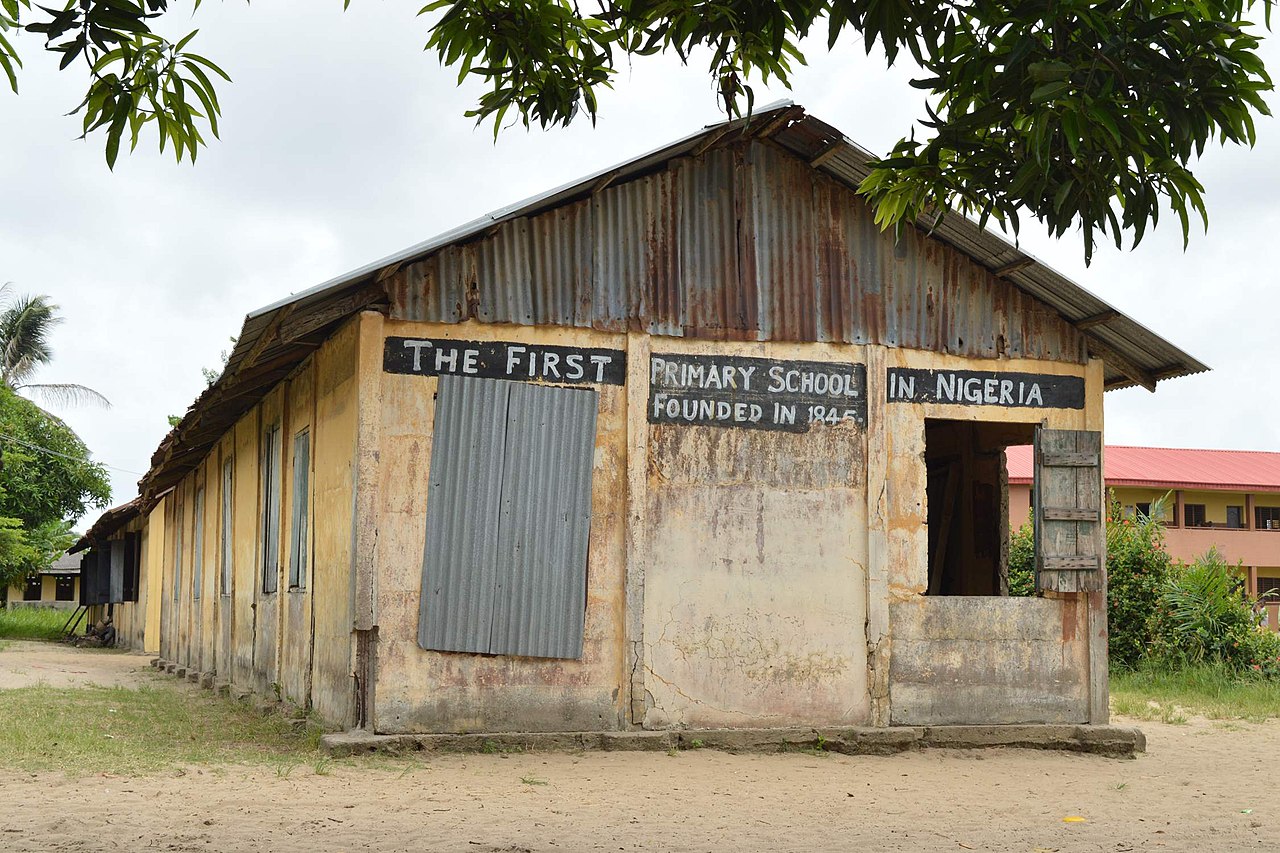
School
From Ancient Academies to Modern Institutions
The concept of formal schooling has a deep and varied history, evolving significantly from its ancient roots. Early educational endeavors, such as Plato's Academy in Athens or the Scriptorium schools of the medieval monasteries, focused on philosophical inquiry and the preservation of knowledge. The Renaissance and Enlightenment periods spurred the development of more structured curricula and the establishment of universities, broadening access to higher learning.
The Industrial Revolution necessitated a more standardized and widespread educational system to prepare a workforce for new industries, leading to the rise of public schooling. In the 20th century, educational philosophies diversified, incorporating child-centered approaches, progressive education, and the expansion of vocational training. Today, schools grapple with integrating technology, addressing global issues, and fostering lifelong learning in an ever-changing world, reflecting a continuous adaptation to societal needs and technological advancements.
The Indispensable Role of Schools in Societal Fabric
Schools serve as critical engines for societal advancement and individual empowerment. Academically, they cultivate essential cognitive skills, critical thinking, and problem-solving abilities, preparing students to engage with complex information and contribute to innovation. Socially, schools are microcosms of society, providing invaluable opportunities for socialization, teaching cooperation, conflict resolution, and the development of civic responsibility.
They foster an understanding of diverse perspectives, crucial for cohesive communities. Economically, education is a primary driver of social mobility and economic growth, equipping individuals with the skills demanded by the labor market and fostering a knowledgeable citizenry capable of participating in democratic processes. Furthermore, schools play a vital role in cultural transmission, preserving heritage while encouraging critical engagement with societal norms and values.
The Multifaceted School Day
The contemporary school day is a complex ecosystem designed to nurture holistic development. While core academic subjects remain central, the pedagogical approaches have evolved to include inquiry-based learning, project-based learning, and differentiated instruction to cater to diverse learning styles. Beyond academics, schools emphasize the development of essential life skills through physical education, arts, and technology integration.
Extracurricular activities are not merely supplementary but integral components, fostering leadership, teamwork, discipline, and passion through sports, clubs, arts programs, and community service initiatives. The modern school also increasingly focuses on student well-being, incorporating mental health support, social-emotional learning programs, and creating inclusive environments that promote safety and belonging for all students.
Global Variations and Future Trajectories of Educational Systems
Educational systems worldwide exhibit remarkable diversity, shaped by cultural, economic, and political contexts. While many nations adhere to structured, age-based schooling, others explore alternative models like homeschooling, unschooling, or competency-based education. The rise of digital learning platforms and Massive Open Online Courses (MOOCs) has democratized access to education, blurring traditional boundaries between formal and informal learning. Future trajectories point towards increased personalization of learning, leveraging artificial intelligence and data analytics to tailor educational experiences to individual needs.
There is also a growing emphasis on global citizenship education, sustainability, and preparing students for jobs that may not yet exist. The challenge lies in ensuring equitable access to quality education amidst rapid technological and societal change.
The Evolving Definition of 'School'
The traditional notion of school as a place for childhood and adolescence is rapidly expanding. In the 21st century, 'school' increasingly refers to a continuous process of learning that extends throughout life. Professional development, online courses, workshops, and informal learning communities are becoming as vital as formal schooling for career advancement and personal growth.
This shift reflects the accelerating pace of change in industries and the need for individuals to constantly update their skills and knowledge. Furthermore, the concept of the 'school' as a physical building is being challenged by hybrid models and fully online educational environments, offering unprecedented flexibility. This evolution underscores that education is no longer a finite period but an ongoing journey of adaptation and discovery.
Go deeper
Frequently Asked Questions
What is a school and why do we go there?+
How do schools help us become good citizens?+
Why do schools use technology and projects?+
What kinds of activities can we do outside of class?+
Are there different kinds of schools around the world?+
Based on content from Wikipedia · Licensed under CC BY-SA 4.0