

The British Museum: A Treasure Chest of Wonders!
Images
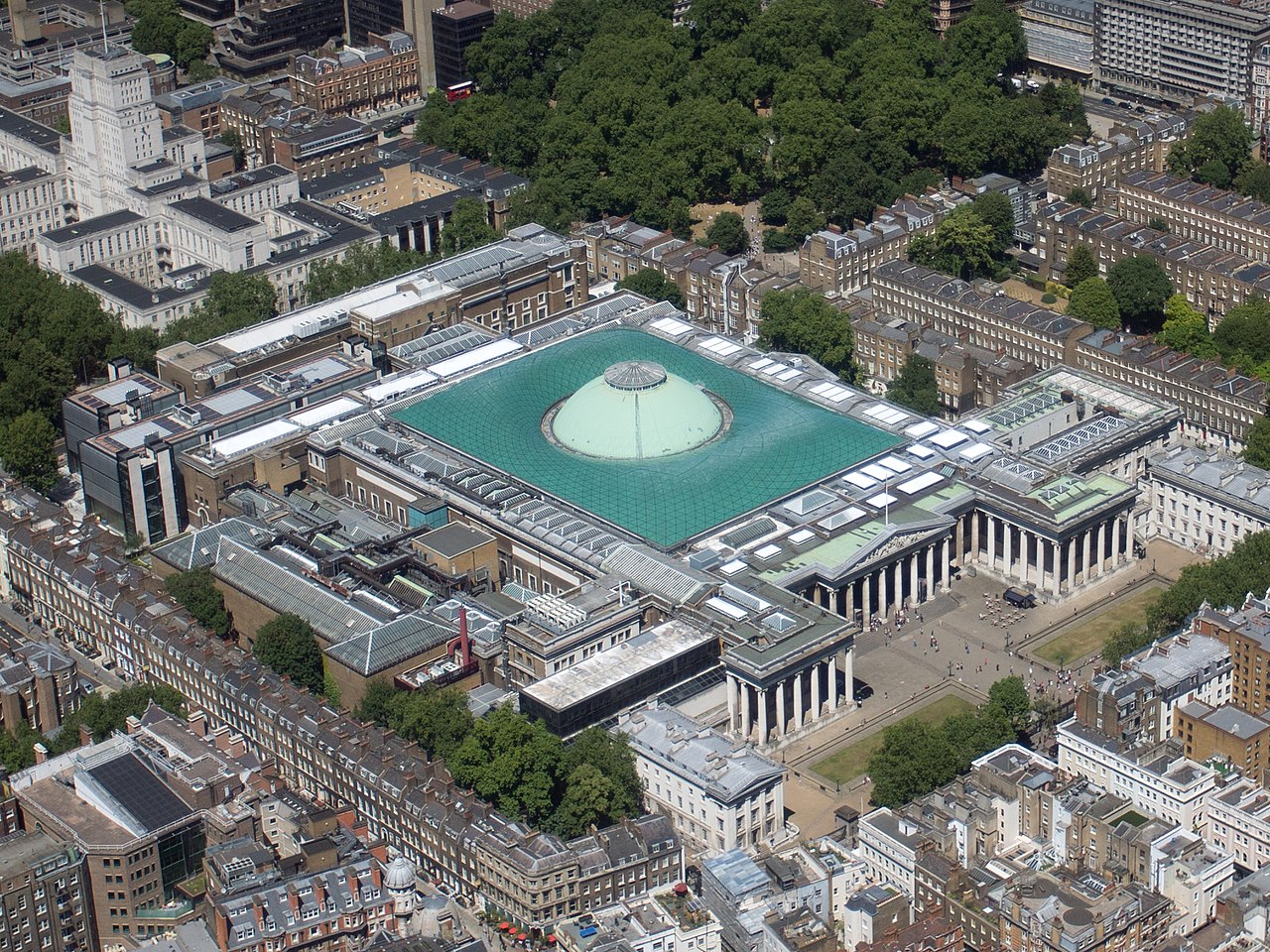
British Museum
The Genesis and Evolution of a Global Institution
Established by an Act of Parliament in 1753, the British Museum was conceived as a national repository for the collections of Sir Hans Sloane, a physician and polymath whose extensive acquisitions spanned natural history, ethnography, and antiquities. This foundational act marked a pivotal moment in the institutionalization of knowledge, aiming to make these diverse objects accessible for study and public edification. The museum's initial location in Montagu House was soon outgrown, leading to its relocation to the current, grander Neoclassical building designed by Sir Robert Smirke, which opened in 1847.
Over the subsequent centuries, its holdings have burgeoned dramatically, fueled by British imperial expeditions, archaeological excavations worldwide, and a continuous stream of donations and purchases, transforming it into one of the world's largest and most comprehensive museums of human history, art, and culture.
Curating the World
The British Museum's collection, numbering over 8 million objects, represents a staggering breadth of human achievement and experience, spanning two million years of history. Its holdings are organized thematically and geographically, encompassing vast sections dedicated to ancient Egypt, Greece, Rome, the Americas, Asia, Africa, and the Middle East. This encyclopedic scope allows for unparalleled comparative study across cultures and time periods.
However, the museum's acquisition history is also intertwined with the legacies of colonialism and empire, leading to ongoing international debates regarding the provenance and repatriation of certain artifacts, such as the Elgin Marbles from the Parthenon. These discussions highlight the complex ethical considerations inherent in managing a global collection.
The Rosetta Stone
The Rosetta Stone, acquired by the British in 1801, is arguably the museum's most iconic artifact, serving as the linchpin for the modern field of Egyptology. Discovered in 1799 during Napoleon's Egyptian campaign, this granodiorite stele bears a decree from Ptolemy V inscribed in three scripts: hieroglyphic, Demotic, and Greek. For centuries, the complex system of Egyptian hieroglyphs remained an impenetrable mystery.
The Stone's trilingual inscription, however, provided the crucial comparative text that allowed scholars, most notably Jean-François Champollion in the 1820s, to systematically decipher the ancient script. This monumental achievement unlocked a wealth of previously inaccessible historical, religious, and cultural information, revolutionizing our understanding of ancient Egyptian civilization and its profound influence.
Cultural Significance and Contemporary Relevance
The British Museum functions as a vital global hub for research, education, and cultural exchange. Its extensive collections serve as primary source material for scholars worldwide, contributing to ongoing advancements in archaeology, history, art history, and anthropology. Beyond academia, the museum plays a crucial role in public education, offering exhibitions, lectures, and digital resources that make complex historical narratives accessible to a broad audience.
In an increasingly interconnected world, the museum's role in preserving and interpreting diverse cultural heritage is more critical than ever, fostering cross-cultural understanding and dialogue, while also prompting reflection on the shared human journey and the responsibilities of cultural stewardship.
Beyond Artifacts
The museum's physical presence is as significant as its collections. The Great Court, opened in 2000, is a spectacular architectural achievement, featuring a vast glass and steel roof designed by Foster and Partners, enclosing the original courtyard and creating a luminous central space. This modernization project aimed to enhance visitor circulation and provide new exhibition and educational facilities.
The building itself, a testament to Victorian ambition and architectural innovation, complements the historical treasures within. The ongoing efforts to digitize collections and offer virtual tours further extend the museum's reach, ensuring its relevance and accessibility in the digital age, allowing global audiences to engage with its unparalleled collection remotely.
Go deeper
Frequently Asked Questions
What is the British Museum and when was it founded?+
Where is the British Museum located and when did it move?+
What is the Rosetta Stone and why is it important?+
How many objects does the British Museum have and what kinds of things are in the collection?+
Why do people talk about returning some artifacts to their countries?+
Based on content from Wikipedia · Licensed under CC BY-SA 4.0