

Białowieża Forest
Images
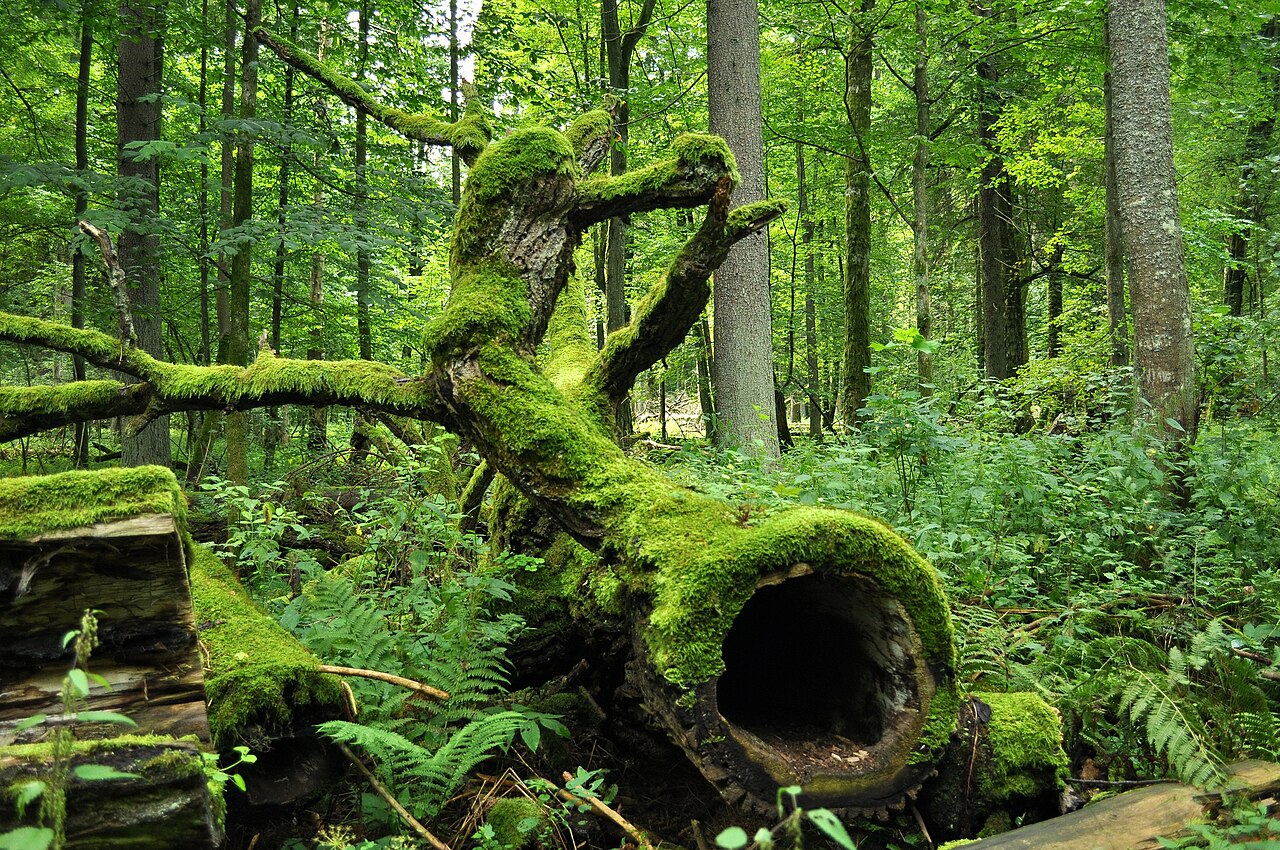
Bialowieza National Park In Poland0029


Geographical and Ecological Significance
Białowieża Forest represents one of the final, extensive remnants of the vast primeval forests that once carpeted the European Plain. Spanning the border between Poland and Belarus, this immense woodland is a crucial ecological corridor and a testament to the continent's natural heritage. Its geographical location, southeast of Białystok in Poland and north of Brest in Belarus, places it within a region historically characterized by extensive forest cover.
The forest's landscape is dominated by old-growth trees, including oak, hornbeam, and spruce, creating a complex, multi-layered canopy that supports a rich diversity of flora and fauna. The climate is temperate, with distinct seasons that influence the forest’s life cycles. Its designation as a UNESCO World Heritage Site underscores its irreplaceable value as a natural landscape that has largely escaped the widespread deforestation and agricultural conversion that transformed much of Europe.
A Haven for the European Bison and Biodiversity
The forest is most famously known as the last natural refuge for the European bison (Bison bonasus), Europe's heaviest land animal. This species, once on the brink of extinction due to overhunting and habitat loss, has found sanctuary and a chance for recovery within Białowieża. The forest provides the extensive habitat and food resources necessary for a thriving bison population, with over 800 individuals calling it home.
Beyond the bison, Białowieża harbors exceptional biodiversity, including a multitude of plant species, insects, birds, and other mammals. Its status as a UNESCO World Heritage site and an EU Natura 2000 Special Area of Conservation highlights its critical role in preserving European biodiversity and functioning as a vital ecological network. The forest’s complex structure, from the forest floor to the highest branches, creates numerous niches for life to flourish.
Historical Continuity and Conservation Efforts
Białowieża Forest has a long history of human interaction, from its use by ancient peoples to its designation as a royal hunting ground and later as a protected area. Its survival through centuries of changing political landscapes and increasing human pressure is remarkable. The establishment of the Polish Biosphere Reserve in 1976 and the Belarusian Biosphere Reserve in 1993, followed by the expansion of the UNESCO World Heritage site in 2014, signifies a concerted effort to protect this unique ecosystem.
The forest is divided into zones, including strictly protected areas and buffer zones, managed under UNESCO's Man and the Biosphere Programme. This multi-faceted approach aims to balance conservation with sustainable use and scientific research, ensuring the long-term viability of this ancient forest and its inhabitants.
Transnational Governance and Future Challenges
The fact that Białowieża Forest straddles an international border presents both unique opportunities and challenges for its governance and conservation. While the UNESCO World Heritage designation encourages cooperation, the practical management of the forest involves distinct national policies and priorities. The existence of a border crossing for hikers and cyclists facilitates cross-border engagement but also necessitates coordinated management strategies.
Future conservation efforts must address ongoing threats such as climate change, potential habitat fragmentation, and the need for continued scientific research to understand and protect the forest’s complex ecological processes. The ongoing commitment from both Poland and Belarus, supported by international bodies, is crucial for safeguarding this irreplaceable natural treasure for generations to come.
Educational and Scientific Value
Białowieża Forest serves as an invaluable living laboratory for scientific research and environmental education. Its status as one of Europe's last primeval forests offers unparalleled opportunities to study natural forest dynamics, biodiversity, and the long-term impacts of ecological processes without significant human disturbance. Researchers from around the world visit Białowieża to study everything from tree growth patterns and soil composition to the behavior of its iconic wildlife.
The Biosphere Reserve designations further support this research and educational mission, fostering a deeper understanding of ecological principles and the importance of conservation. Educational programs within and around the forest help to raise awareness about its unique value and the need for its continued protection, inspiring future generations of scientists and environmental stewards.
See also
Frequently Asked Questions
What is Białowieża Forest?+
Why is Białowieża Forest special?+
Where can I find Białowieża Forest?+
How many European bison live in Białowieża Forest?+
How is Białowieża Forest protected?+
Based on content from Wikipedia · Licensed under CC BY-SA 4.0