

Asado: The Super Fun South American BBQ!
Images
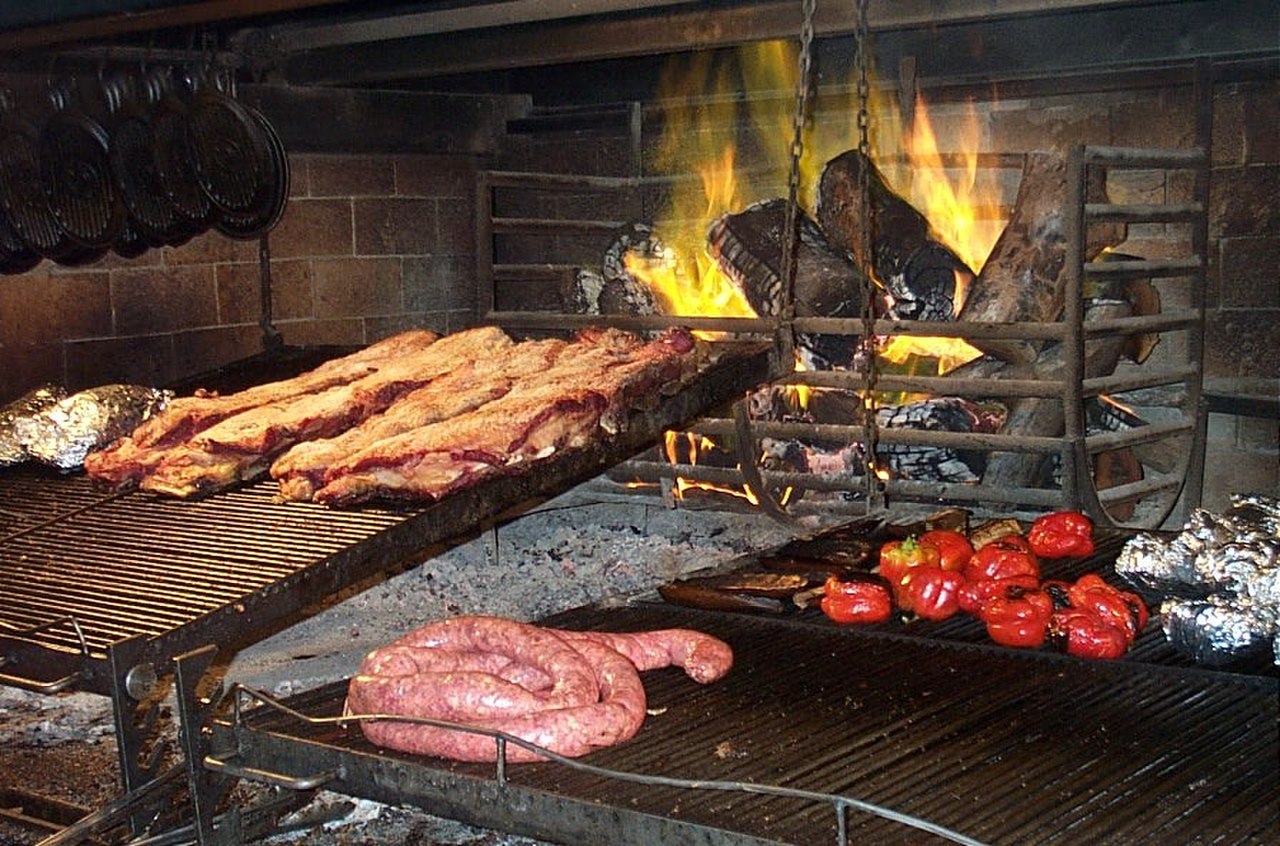
Asado
The Art and Science of Asado
Asado transcends the definition of a mere barbecue; it is a deeply ingrained cultural practice and a sophisticated culinary technique prevalent across South America, particularly in Argentina and Uruguay. At its core, asado involves the slow cooking of various meats over an open fire or a specialized grill known as a 'parrilla'. This method is not simply about convenience but about achieving a specific texture and flavor profile-a rich, smoky char on the outside yielding to tender, juicy meat within.
The selection of meats is diverse, often featuring premium cuts of beef such as 'tira de asado' (short ribs), 'vacío' (flank steak), and 'entraña' (skirt steak), alongside pork, chicken, and traditional sausages like 'chorizo' and 'morcilla'. The preparation is a deliberate process, with the 'asador' or 'parrillero' meticulously managing the heat and timing for each component. This culinary dedication is interwoven with the social aspect; asado is fundamentally a communal event, designed for gathering, conversation, and shared enjoyment, often accompanied by red wine and fresh side dishes like salads.
Echoes of the Pampas
The origins of asado are deeply rooted in the historical context of South America, particularly the nomadic lifestyle of the gauchos, the traditional horsemen of the Pampas. In these vast grasslands, beef was abundant, and asado provided a practical and efficient method for cooking large quantities of meat over open fires, often using rudimentary tools. This practice was essential for sustenance and became a communal activity that fostered camaraderie among the gauchos.
As societies developed and settled, asado transitioned from a survival necessity to a cherished cultural ritual. It evolved to be associated with celebrations, holidays, and significant social gatherings, becoming a symbol of national identity and hospitality. The tradition has been passed down through generations, adapting to modern life while retaining its essential spirit of communal feasting and connection to the land and its history.
The Asador's Craft
The figure of the 'asador' or 'parrillero' is central to the asado experience, embodying the skill, patience, and dedication required for this culinary art form. This individual is not merely a cook but a custodian of tradition, responsible for orchestrating the entire grilling process. Their expertise lies in understanding the nuances of fire management-controlling temperature, managing embers, and knowing when to adjust the distance between the meat and the heat source.
They must also possess an intimate knowledge of different cuts of meat, their cooking times, and how to prepare them to perfection. The asador's role often extends beyond mere cooking; they are hosts, storytellers, and the focal point around which the social gathering revolves. This demanding yet rewarding position highlights the importance placed on food preparation and communal sharing within South American culture, making the asador a highly respected figure.
Asado's Enduring Significance
The enduring significance of asado lies in its profound impact on South American culture, identity, and social cohesion. It serves as a powerful unifying force, bringing together diverse groups of people-families, friends, and communities-around a shared experience. Asado is more than just a meal; it is a ritual that reinforces cultural values such as hospitality, generosity, and the importance of human connection.
It provides a tangible link to heritage, allowing traditions to be passed down and celebrated. In a rapidly changing world, the deliberate pace and communal nature of asado offer a valuable opportunity for people to disconnect from daily stresses and reconnect with each other and their cultural roots. The act of sharing food prepared with care and skill fosters a sense of belonging and strengthens the social fabric, making asado a vital and cherished institution.
Beyond the Grill
The asado tradition extends beyond the immediate act of grilling, encompassing a broader ecosystem of related elements that contribute to its richness. The choice of meats is paramount, with beef often taking center stage, reflecting the historical abundance of cattle in regions like Argentina. However, the inclusion of 'chorizo' and 'morcilla' adds layers of flavor and texture, showcasing a broader palate.
The accompanying side dishes, while often simple, are carefully selected to complement the richness of the meats. Fresh salads, potato preparations, and grilled vegetables offer balance and variety. Beverages, particularly red wine, are integral to the experience, enhancing the flavors and contributing to the convivial atmosphere.
The entire spread is a testament to a culinary philosophy that values quality ingredients, traditional preparation methods, and the joy of sharing a bountiful meal with loved ones, making the asado a holistic celebration of food and fellowship.
Go deeper
Based on content from Wikipedia · Licensed under CC BY-SA 4.0