

Argentina at the Olympics!
Images
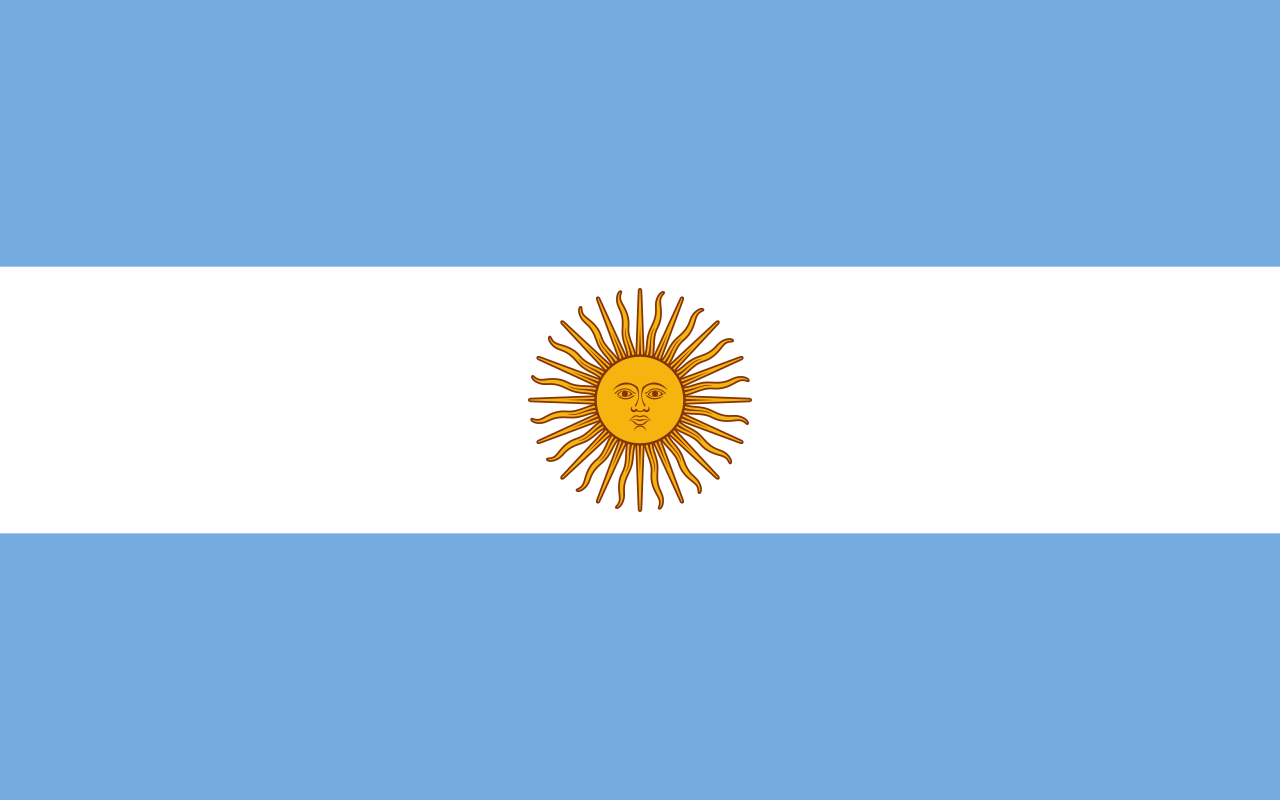
Flag Of Argentina


Founding Member and Early Dominance
Argentina's relationship with the Olympic movement began even before the first modern Games were fully established, as it was one of the twelve founding nations of the International Olympic Committee (IOC) in 1894. This foundational involvement, represented by José Benjamín Zubiaur on the first Executive Council until 1907, underscores a long-standing commitment to international sport. The formal establishment and recognition of the Argentine Olympic Committee in 1923 solidified its organizational structure.
The period between 1924 and 1952 marked a golden era for Argentine athletes, characterized by consistent success, notably achieving at least one gold medal in every Olympic Games they participated in during this span. This sustained excellence established Argentina as a significant sporting power in the early to mid-20th century, showcasing a deep wellspring of athletic talent and national pride.
Navigating Olympic Cycles and Shifting Fortunes
Following its peak performance era, Argentina's Olympic trajectory entered a more variable phase from the mid-1950s onwards. The nation experienced periods of decline, with the 1976 and 1984 Summer Olympics standing out as particularly challenging, marked by a complete absence of medal victories. This downturn prompted reflection and a renewed focus on athletic development.
A significant resurgence occurred at the 2004 Athens Olympics, where Argentina recaptured Olympic gold after a 52-year drought, signaling a return to winning ways. However, this period also saw a shift in regional dominance, with neighboring Brazil eventually surpassing Argentina in both total and gold medal counts. The 2016 Rio Games represented a high point in recent history, featuring Argentina's largest Olympic delegation (213 athletes) and a return to winning three gold medals, a feat not seen since 1948.
Crucially, this included the nation's first-ever female Olympic gold medalist, marking a significant milestone for gender equality in Argentine sports.
Boxing Prowess and Winter Games Aspirations
Argentina's Olympic medal legacy is heavily influenced by its success in specific disciplines. To date, the nation has amassed a total of 80 medals at the Summer Olympic Games. Boxing has proven to be Argentina's most fruitful sport, contributing 24 medals to their overall tally, more than any other sport. This consistent performance in boxing highlights a strong tradition and deep talent pool in this demanding discipline.
In contrast, Argentina has yet to secure a medal in the Winter Olympic Games, despite participating in several editions since 1928 and continuously since 1960. This presents a unique challenge and an area for potential future growth and development within Argentina's sporting landscape, requiring investment in winter sports infrastructure and training.
Hosting the Future
Argentina's commitment to the Olympic movement extends beyond athletic participation to active engagement in its development and promotion. The nation proudly hosted the 2018 Summer Youth Olympics in its capital, Buenos Aires. This event served as a crucial platform for young athletes aged 15 to 18 from across the globe, fostering international camaraderie, sportsmanship, and the Olympic spirit among the next generation of competitors.
Hosting such a significant youth-focused event underscores Argentina's dedication to nurturing emerging talent and its capacity to organize large-scale international sporting events. It reinforces Buenos Aires' status as a major global city and a hub for athletic development, inspiring young people worldwide.
See also
Frequently Asked Questions
What is Argentina's connection to the Olympic Games?+
Did Argentina win any gold medals in recent Olympics?+
Which sport has given Argentina the most Olympic medals?+
Has Argentina ever won a medal at the Winter Olympics?+
Did Argentina host any Olympic events?+
Based on content from Wikipedia · Licensed under CC BY-SA 4.0