

Archaic Greece
Images

Map Of Greece, Archipelago And Part Of Anadoli; Louis Stanislas D'Arcy Delarochette 1791





The Expanding Hellenic Horizon
The Archaic period witnessed an unprecedented geographical expansion of the Greek world, moving beyond the Aegean heartland to colonize vast stretches of the Mediterranean and Black Seas. This outward movement was driven by a confluence of factors, including significant population growth, land scarcity in older regions, and the pursuit of trade opportunities. The establishment of colonies, such as those in Sicily, Southern Italy (Magna Graecia), and along the coasts of Asia Minor and the Black Sea, was not merely an act of settlement but a deliberate extension of the polis model.
These new settlements often maintained strong cultural and political ties with their mother cities, forming complex networks of exchange and mutual influence. By the end of the period, these interconnected communities constituted a vast Hellenic trading system, facilitating the movement of goods, people, and ideas across diverse cultural landscapes. The varied geography of these new territories, from fertile plains to strategic harbors, also influenced the economic specialization and political development of individual colonies.
Structural and Intellectual Revolutions
The Archaic period is demarcated by two transformative 'revolutions,' as described by scholars like Anthony Snodgrass. The first, a 'structural revolution,' fundamentally reshaped the political landscape by solidifying the concept and reality of the polis. This period saw the emergence of distinct city-states, each with its own governance, laws, and identity, replacing the more fragmented political structures of the preceding Dark Ages.
This development laid the groundwork for the intense inter-polis rivalries and alliances that would characterize later Greek history. The second, an 'intellectual revolution,' ushered in the Classical period, characterized by advancements in philosophy, drama, and historical writing. However, the seeds of this intellectual flowering were sown in the Archaic era with the development of the Greek alphabet, the composition of foundational literary works, and the burgeoning of new artistic and scientific inquiry.
The period also saw significant shifts in warfare, with the adoption of the hoplite phalanx transforming military organization and contributing to the civic identity of the citizen-soldier.
Cultural Renaissance
Archaic Greece experienced a profound cultural renaissance that defined much of its enduring legacy. The adoption and adaptation of the Phoenician alphabet marked a pivotal moment, democratizing literacy and enabling the composition of the earliest surviving Greek literature, including the epic poems of Homer. This literary output provided a shared cultural narrative and foundational myths that bound the disparate Greek communities together.
In the visual arts, the period witnessed the birth of monumental sculpture, moving from the stiff, stylized kouroi and korai to more naturalistic forms, and the development of distinctive pottery styles like black-figure and red-figure, which showcased narrative scenes and anatomical detail. These artistic endeavors were not merely aesthetic; they reflected evolving religious beliefs, social structures, and a growing fascination with the human form and its capabilities. The foundations of Greek philosophy and scientific thought also began to emerge during this era, challenging traditional explanations and paving the way for later intellectual giants.
Economic Dynamism and the Rise of the Polis Economy
The economy of Archaic Greece was characterized by a transition from subsistence agriculture to a more complex, trade-oriented system. While agriculture remained foundational, with staples like grain, olives, and grapes forming the backbone of production, the burgeoning of colonization and maritime trade dramatically expanded economic horizons. The establishment of extensive trade networks across the Mediterranean and Black Seas facilitated the exchange of goods such as wine, olive oil, pottery, metals, and slaves.
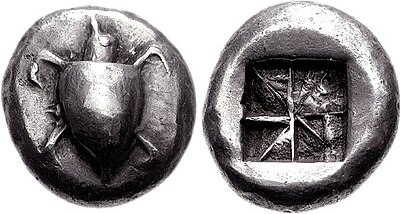
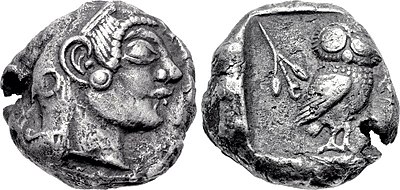
The introduction and widespread adoption of coinage, beginning in the 7th century BC, revolutionized commerce by providing a standardized medium of exchange, simplifying transactions, and fostering economic growth. This economic dynamism was intrinsically linked to the rise of the polis. City-states competed for resources and markets, leading to the development of specialized industries and sophisticated commercial practices.
The wealth generated through trade fueled civic projects, military endeavors, and cultural patronage, further solidifying the power and influence of the poleis.
Political Experimentation
The Archaic period was a crucible of political experimentation, witnessing the development and refinement of various governmental systems. While many city-states were ruled by oligarchies (rule by a few), often aristocrats or wealthy landowners, significant innovations occurred. In Athens, this era saw the gradual implementation of reforms aimed at mitigating social unrest and expanding political participation.
The laws of Draco, though harsh, represented an attempt to codify justice, while Solon's reforms laid crucial groundwork for Athenian democracy by restructuring debt, encouraging trade, and establishing new political institutions. Towards the end of the period, Cleisthenes' reforms further solidified Athenian democracy, laying the institutional framework that would characterize its Classical golden age. In contrast, Sparta underwent a different trajectory, consolidating its military dominance through reforms attributed to Lycurgus, expanding its territory by conquering Messenia, and establishing the helot system of state-owned serfs.
The formation of the Peloponnesian League solidified Sparta's hegemony, demonstrating the diverse paths of political evolution within the Hellenic world.
See also
Frequently Asked Questions
What was Archaic Greece and when did it happen?+
Why did Greeks start building colonies far away?+
What is a polis and why was it important?+
How did Greek writing change during the Archaic period?+
What kind of art did Greeks create in this time?+
Based on content from Wikipedia · Licensed under CC BY-SA 4.0