

Alcatraz Island: The Rock in the Bay!
Images
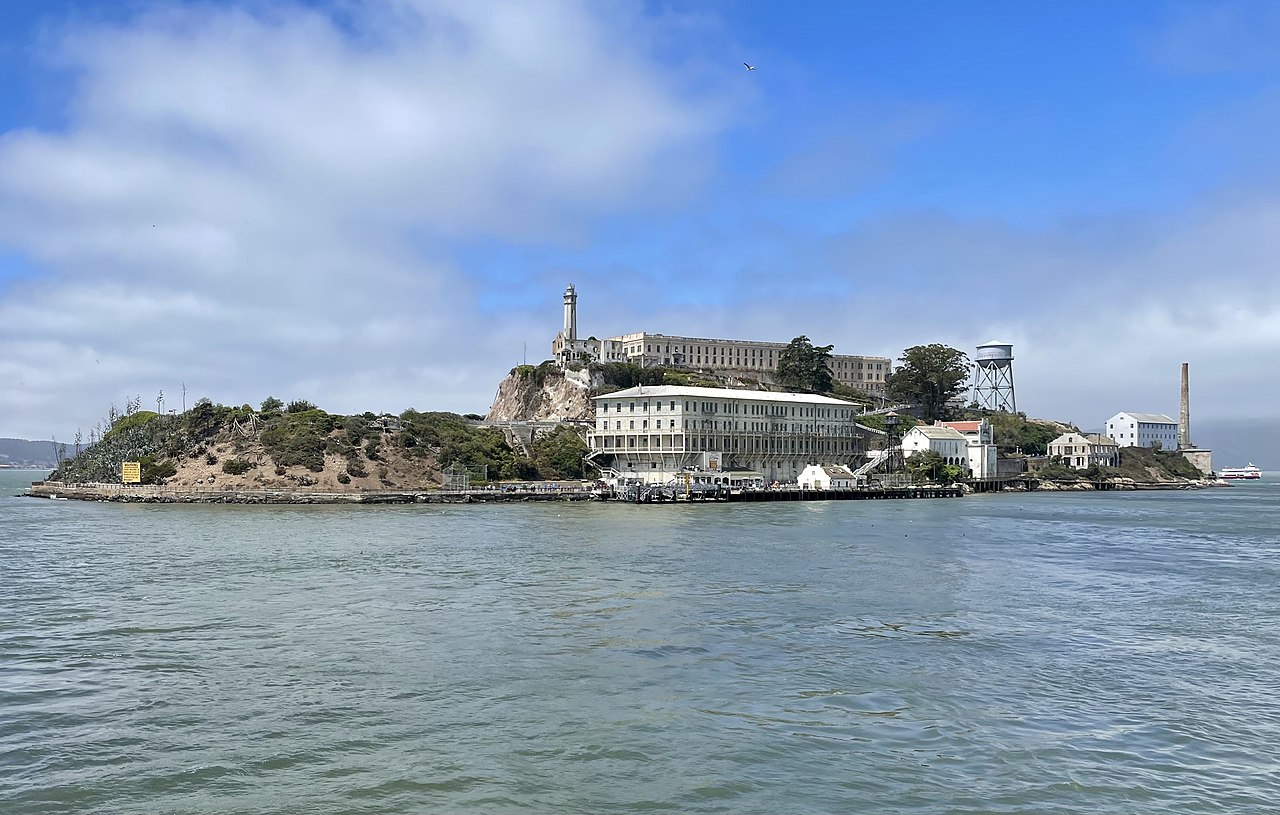
Alcatraz 2021


Geostrategic Isolation
Alcatraz Island, a 22-acre landmass situated approximately 1.25 miles offshore from San Francisco, California, owes much of its historical significance to its unique geographical positioning within San Francisco Bay, near the Golden Gate Strait. This isolation, coupled with the formidable natural defenses of powerful tidal currents and frigid water temperatures, made it an ideal location for a secure facility. The island's topography, characterized by steep cliffs and a maximum elevation of 135 feet, further enhanced its defensibility.
Its dimensions, measuring 1,675 feet by 590 feet, are modest, yet its strategic importance has been immense. The surrounding marine environment, while a deterrent to escape, also supports a diverse seabird colony, including western gulls, cormorants, and egrets, adding a layer of natural ecological value to the site.
From Military Outpost to Notorious Penitentiary
The island's strategic value was recognized early on. In the mid-19th century, it was developed with a lighthouse, a crucial navigational aid for ships entering the bay. Subsequently, it was transformed into a military fortification, serving as a defense post.
However, its most indelible mark on history was made in 1934 with its conversion into Alcatraz Federal Penitentiary. This facility was specifically designed to house the nation's most incorrigible and dangerous criminals, those deemed too problematic for other federal prisons. The prison's reputation for being escape-proof was largely due to the unforgiving natural conditions of the bay.
The constant threat of drowning or hypothermia in the icy waters, combined with the island's isolation, created a formidable barrier. The prison operated until March 21, 1963, when it was closed due to high operational costs.
A Site of Protest and Cultural Reclamation
Following its closure as a federal prison, Alcatraz Island became the stage for a significant act of Native American activism. Beginning in November 1969, a group of Native Americans, initially from the San Francisco area and later joined by others from across the country, occupied the island for over 19 months. This occupation, supported by the American Indian Movement, was a powerful statement protesting federal policies and asserting Native American rights.
It brought national attention to the historical grievances and ongoing struggles of Indigenous peoples. This period of occupation marked a profound shift in the island's narrative, transforming it from a symbol of incarceration to a site of cultural reclamation and protest. In 1972, Alcatraz was transferred to the Department of the Interior, becoming part of the Golden Gate National Recreation Area.
Alcatraz Today
Today, Alcatraz Island is a highly popular tourist destination managed by the National Park Service as part of the Golden Gate National Recreation Area. Each year, approximately 1.4 million visitors embark on ferry rides from Pier 33 to explore its rich and complex history. The island preserves key historical structures, including the Main Cellhouse, the Dining Hall, the ruins of the Warden's House, and the historic lighthouse, which remains the oldest operating lighthouse on the West Coast.
The site also serves as a testament to the Native American occupation and its lasting impact. Designated a National Historic Landmark in 1986, Alcatraz offers a unique educational experience, allowing visitors to confront the island's multifaceted past, from its military origins and its infamous prison era to its role in contemporary social movements.
Go deeper
Frequently Asked Questions
What is Alcatraz Island and why is it famous?+
Why was Alcatraz Island considered escape-proof?+
How did Native Americans use Alcatraz Island after the prison closed?+
Where can people visit Alcatraz Island today?+
What wildlife lives on Alcatraz Island?+
Based on content from Wikipedia · Licensed under CC BY-SA 4.0