

Albuquerque, New Mexico
Images
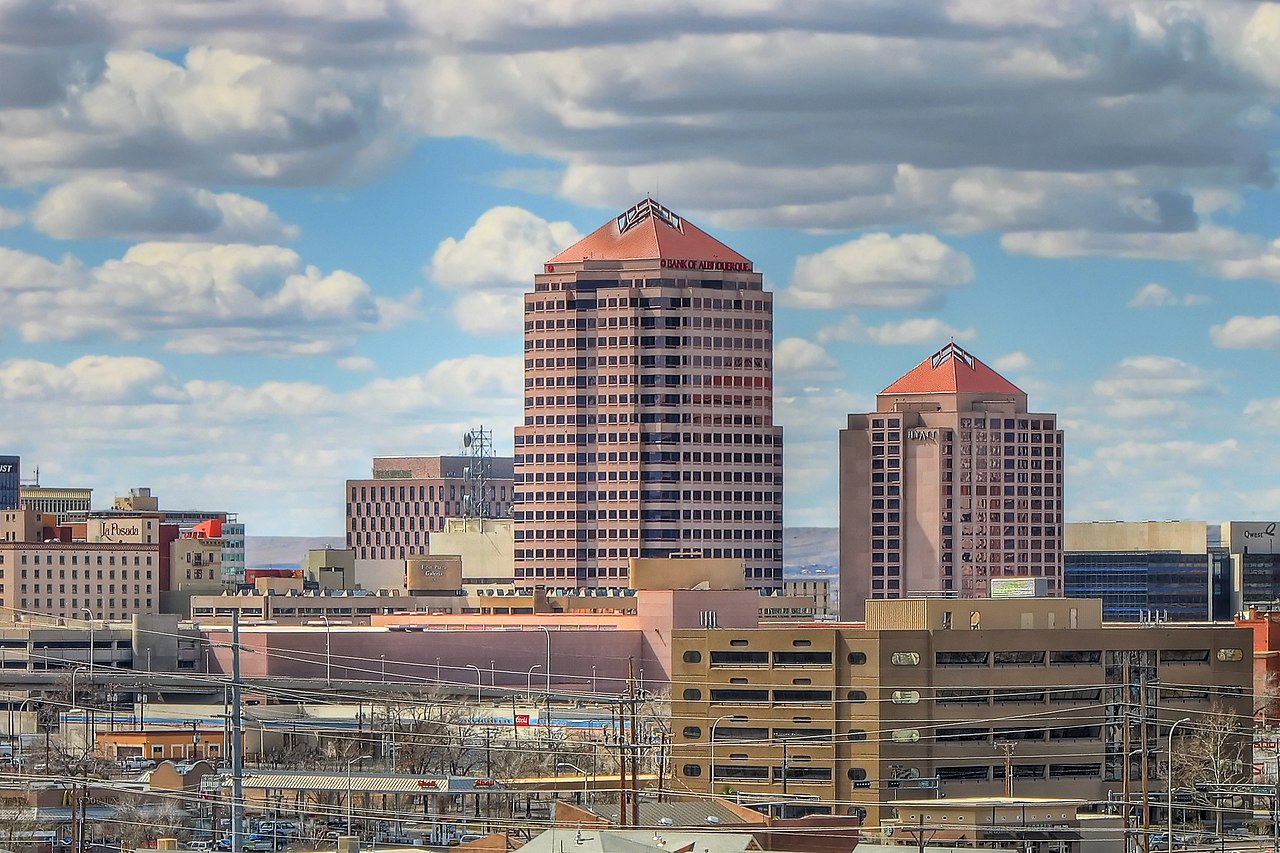
Abqdowntown


Geographical Tapestry
Albuquerque's geography is a defining characteristic, situated within the expansive Albuquerque Basin. This geological formation is bordered by the striking Sandia Mountains to the east, a dramatic uplift that provides a stunning visual backdrop and influences local climate patterns. The mountains are known for their vibrant colors, particularly at sunrise and sunset, earning them their Spanish name, 'Sandia' (watermelon).
To the west, the West Mesa presents a contrasting high desert plateau. The city's lifeblood is the Rio Grande, a major river that bisects the basin, nurturing a vital riparian ecosystem, the bosque, characterized by cottonwood trees. This river has historically served as a critical water source and a natural corridor for migration and trade.
The arid climate, with abundant sunshine and low humidity, shapes the region's unique flora and fauna, and has necessitated sophisticated water management strategies throughout its history.
Historical Roots
Founded in 1706 by Governor Francisco Cuervo y Valdés as La Villa de Alburquerque, the city was established as a Spanish colonial settlement and named in honor of the 10th Duke of Alburquerque. Its strategic placement along El Camino Real de Tierra Adentro, a vital trade and travel route connecting Mexico City to Santa Fe and beyond, cemented its early importance. This historical artery facilitated the exchange of goods, ideas, and people, shaping the cultural mosaic of the region.
Over centuries, Albuquerque evolved from a modest outpost into New Mexico's most populous city. Its development reflects a complex interplay of Native American heritage, Spanish colonial administration, Mexican rule, and eventual U.S. statehood. This layered history is evident in its architecture, traditions, and the diverse communities that call it home, with over 160 sites recognized on the National Register of Historic Places.
Cultural Vibrancy
Albuquerque is a global beacon for cultural events, most notably the Albuquerque International Balloon Fiesta. This world-renowned festival transforms the autumn sky into a breathtaking spectacle of color and flight, attracting hundreds of thousands of spectators and participants annually. It's a testament to the city's unique atmospheric conditions and its spirit of celebration.
The city is also a pivotal center for Native American culture, hosting the Gathering of Nations, the largest powwow in North America. This event is a significant gathering for Indigenous peoples, showcasing traditional powwow dancing, drumming, and artistry, fostering cultural preservation and intertribal connection. Furthermore, Albuquerque boasts a thriving arts scene, recognized for its distinctive New Mexican architecture and a rich tradition of music.
The city's culinary landscape is equally celebrated, offering a fusion of traditional New Mexican flavors and international cuisine.
Economic Engine
Albuquerque serves as a significant economic hub for New Mexico, driven by a diverse range of industries including technology, fine arts, and mass media. The presence of major federal research facilities, such as Sandia National Laboratories, a key institution within the National Nuclear Security Administration, underscores the city's critical role in national security and scientific innovation. Kirtland Air Force Base, one of the largest installations in the Air Force Global Strike Command, is another substantial economic contributor and employer.
The University of New Mexico, the state's flagship higher education institution, acts as a catalyst for research, development, and workforce training. The Albuquerque International Sunport, the state's primary international airport, facilitates global connectivity, supporting trade, tourism, and business. This robust economic base, combining public sector strength with private enterprise and academic excellence, positions Albuquerque as a center for innovation and opportunity in the Southwest.
Education and Governance
Albuquerque is the educational heart of New Mexico, anchored by the University of New Mexico (UNM). As the state's flagship university, UNM is a major research institution offering a wide array of undergraduate and graduate programs, contributing significantly to the intellectual and economic vitality of the region. Beyond UNM, the city hosts numerous other educational institutions, including community colleges and specialized training centers, catering to diverse learning needs.
The city's governance structure is typical of a major U.S. municipality. Albuquerque is the county seat of Bernalillo County and operates under a mayor-council system. The city government is responsible for providing essential public services, managing infrastructure, and enacting local ordinances.
This framework ensures the organized development and administration of the city, supporting its growing population and complex urban needs. The interplay between educational institutions and local governance is crucial for fostering civic engagement and addressing the challenges and opportunities facing this dynamic Southwestern city.
See also
Based on content from Wikipedia · Licensed under CC BY-SA 4.0