

Aga Khan III
Images
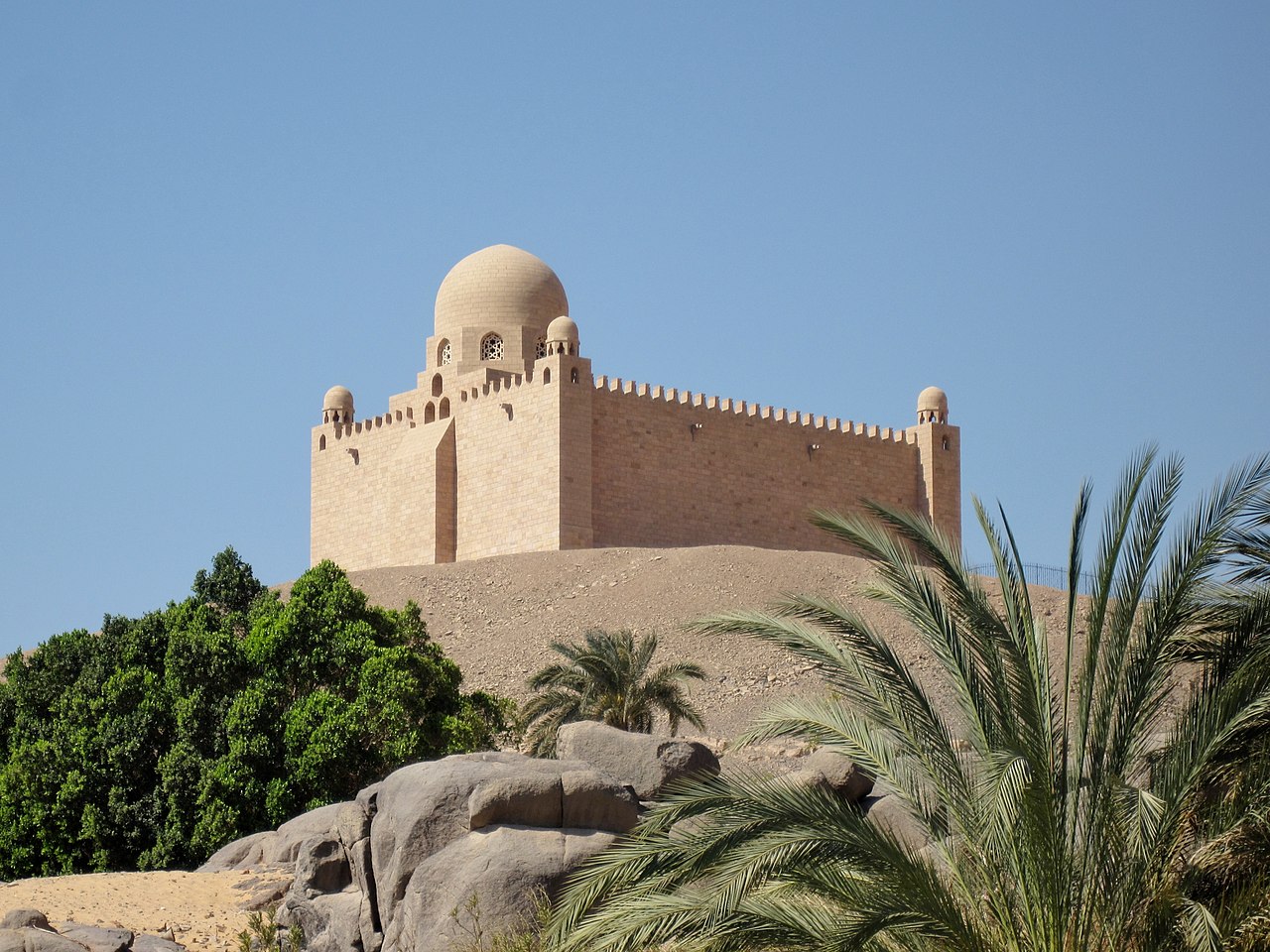
Assuan Mausoleum Aga Khan III. 13


Spiritual Authority and Political Pragmatism
Sir Sultan Muhammad Shah, Aga Khan III (1877-1957), was a towering figure of the 20th century, embodying a unique synthesis of spiritual leadership and astute political engagement. As the 48th Imam of the Nizari Ism'aili Muslims, his primary responsibility was the spiritual guidance and welfare of his global community. This role, however, did not confine him to the realm of faith; it imbued him with a profound understanding of community needs and a platform for broader influence.
His leadership was characterized by a forward-thinking approach, advocating for modern education and social progress within his community while simultaneously navigating the complex geopolitical currents of British India and the wider world. His ability to balance these distinct yet interconnected roles made him a uniquely influential figure.
Forging a Political Identity
Aga Khan III's most significant political contribution was his role in the formation and early leadership of the All-India Muslim League (AIML). He served as its first permanent president, a position he held with strategic foresight. At a time when Muslim political representation was nascent, the AIML, under his guidance, became a crucial platform for articulating Muslim aspirations.
He championed the idea that Muslims constituted a distinct political and cultural entity within India, a concept that would evolve into the 'two-nation theory.' This was not merely about religious affiliation but about safeguarding the socio-economic and political interests of a diverse community facing the complexities of colonial rule and the burgeoning nationalist movements. His influence persisted even after his resignation as president in 1912, as his policy recommendations and strategic vision continued to shape the League's agenda.
A Global Diplomat
The international recognition of Aga Khan III's statesmanship was cemented by his involvement with the League of Nations. In 1932, he was nominated to represent India, a significant appointment that underscored his stature on the world stage. His tenure culminated in his presidency of the 18th Assembly of the League of Nations from 1937 to 1938.
This role placed him at the helm of a critical international forum tasked with maintaining peace and fostering cooperation among nations. His leadership during this period demonstrated his commitment to multilateralism and his capacity to navigate complex international relations, contributing to global discourse on peace and security during a turbulent era.
The Enduring Ramifications of His Vision
The legacy of Aga Khan III is deeply intertwined with the creation of Pakistan and the broader trajectory of Muslim political thought in the 20th century. His persistent advocacy for Muslim distinctiveness and rights provided a foundational narrative for the Pakistan Movement. He was not just a participant but a key architect, whose intellectual and political contributions helped shape the very idea of a separate Muslim homeland.
Beyond national politics, his international engagements at the League of Nations highlight his broader vision for global order and cooperation. His life serves as a compelling case study of how spiritual leadership can intersect with and profoundly influence political and social change on both national and international scales, leaving a lasting impact on the geopolitical landscape.
See also
Frequently Asked Questions
Who was Aga Khan III?+
What was the All-India Muslim League and why did Aga Khan III help it?+
How did Aga Khan III help the world stay peaceful?+
Why is Aga Khan III important for Pakistan?+
What did Aga Khan III do for education?+
Based on content from Wikipedia · Licensed under CC BY-SA 4.0