

Abdul Ghaffar Khan
Images
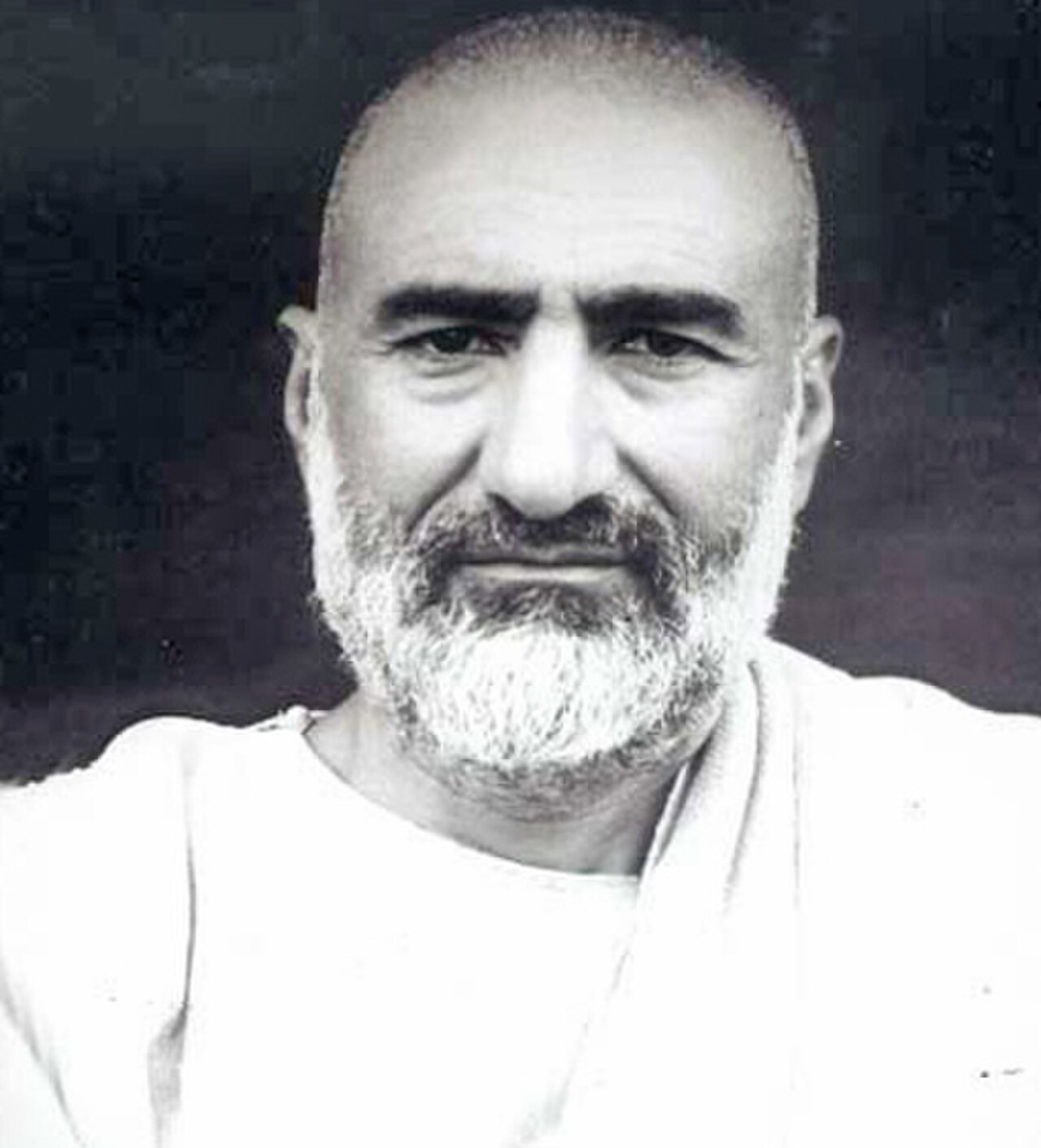
Khan Abdul Ghaffar Khan


The Genesis of a Peaceful Warrior
Abdul Ghaffar Khan, born in 1890, emerged as a formidable leader from the North-West Frontier Province, a region strategically vital and culturally rich. His early life was marked by a deep engagement with Islamic scholarship and a growing awareness of the injustices of British colonial rule. Rejecting the path of armed struggle, Khan embraced a philosophy of non-violent resistance, deeply rooted in his spiritual beliefs and influenced by the burgeoning Indian independence movement.
His vision extended beyond mere political liberation; he sought to foster a moral and ethical transformation within his community, advocating for social reform, education, and interfaith harmony. This holistic approach distinguished him as a leader who addressed the spiritual and social well-being of his people alongside their political aspirations, laying the groundwork for a movement that would challenge the might of the British Empire through sheer moral force.
The Khudai Khidmatgar
In 1929, Khan established the Khudai Khidmatgar ('Servants of God'), a movement that would become synonymous with non-violent civil disobedience. Clad in distinctive red tunics, its members, numbering in the tens of thousands, pledged allegiance to God and committed themselves to peaceful resistance against colonial oppression. The movement's disciplined approach and unwavering commitment to non-violence were put to the ultimate test during numerous British crackdowns.
Despite facing brutal repression, including mass arrests, lathi charges, and imprisonment, the Khudai Khidmatgar maintained its resolve. Their resilience and adherence to peaceful principles, even in the face of extreme provocation, demonstrated the potent effectiveness of non-violent resistance as a tool for political change. This movement became one of the most significant and severely repressed forces within the broader Indian independence struggle, showcasing the courage of ordinary people.
Navigating the Treacherous Waters of Partition
Bacha Khan's commitment to a united India and his advocacy for Pashtun self-determination placed him in a difficult position as the subcontinent moved towards partition. He maintained a close ideological bond with Mahatma Gandhi, earning him the moniker 'Sarhadi Gandhi' ('Frontier Gandhi') for his shared commitment to non-violence and interfaith amity. However, Khan vehemently opposed the division of India, foreseeing the potential for conflict and the marginalization of Pashtun identity within the proposed states.
He championed the idea of an independent Pashtunistan, a state that would encompass all Pashtun territories and allow his people to chart their own destiny. The Indian National Congress's reluctant acceptance of the partition plan, without adequate consultation with the Khudai Khidmatgar, led Khan to feel profoundly betrayed, famously stating, 'You have thrown us to the wolves.' The subsequent Bannu Resolution, demanding an independent Pashtun state, was ultimately rejected by the British, forcing Khan and his followers to confront a future they had desperately tried to avert.
A Legacy of Unwavering Principle
Following the partition, Bacha Khan pledged loyalty to Pakistan, though his relationship with the new government was often fraught with tension, leading to repeated arrests and periods of exile. He continued to be a voice for peace, justice, and the rights of the Pashtun people, even as he faced political marginalization. His unwavering adherence to his principles, even when it meant personal hardship, cemented his status as a moral icon.
In recognition of his lifelong dedication to peace and his profound influence, India honored him with the Bharat Ratna in 1987. His passing in 1988 was marked by a massive funeral procession, a testament to his enduring legacy. Even amidst the turmoil of the Soviet-Afghan War, a ceasefire was declared to allow his burial in Afghanistan, underscoring the universal respect he commanded.
Bacha Khan's life remains a powerful testament to the enduring strength of non-violent resistance and the pursuit of justice.
Go deeper
Based on content from Wikipedia · Licensed under CC BY-SA 4.0