

2024 United States Senate Elections
Images

2024 United States Senate election in Nevada results map by county

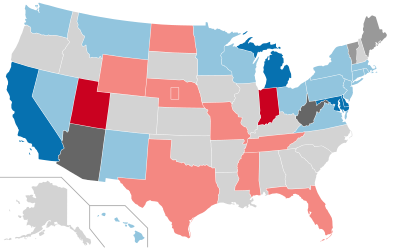


The Triennial Cycle and Class 1's Crucial Role
The United States Senate operates on a staggered six-year term system, divided into three classes. This structure ensures continuity and prevents wholesale changes in the chamber's composition with each election. In 2024, Class 1 senators were up for re-election, encompassing 33 seats.
This regular election cycle is fundamental to the Senate's deliberative nature, allowing for gradual shifts in representation rather than abrupt overhauls. Beyond the 33 regularly scheduled contests, two special elections in California and Nebraska added further complexity and intrigue to the electoral landscape. These special elections were necessitated by the passing of Senator Dianne Feinstein and the resignation of Senator Ben Sasse, respectively, highlighting the dynamic nature of Senate representation and the mechanisms in place to fill unexpected vacancies.
Republican Resurgence and the Battle for Majority Control
The 2024 Senate elections marked a significant victory for the Republican Party, as they successfully regained a Senate majority for the first time in four years. This outcome represented their most substantial gains since 2014, demonstrating a strong electoral performance. A key factor in their success was the ability to defend all of their incumbent seats, a feat not achieved by the party since 2014.
Furthermore, Republicans flipped four Democratic-held seats, including those in Montana, Ohio, and Pennsylvania, alongside an independent-held seat in West Virginia. This shift in power has profound implications for the legislative agenda, committee leadership, and the confirmation of judicial and executive appointments in the subsequent Congress. The election also broke a historical trend, marking the first time since 1980 that Republicans flipped control of a congressional chamber during a presidential election year.
Key State Contests and Electoral Geography
The 2024 elections featured several closely watched contests that ultimately determined the balance of power. Democrats managed to flip one seat in Arizona from an independent who caucused with the Democrats. However, the Republicans' gains in states like Montana, Ohio, and Pennsylvania proved decisive.
Notably, Democratic candidates secured victories in Arizona, Michigan, Nevada, and Wisconsin, even in states that voted for the Republican presidential candidate. Conversely, no Republican candidate won in a state that had voted for the Democratic presidential candidate, illustrating a complex interplay of state-level and national political trends. The outcomes in these swing states underscore the importance of targeted campaigning and voter mobilization in shaping Senate control.
Incumbency, Retirements, and the Dynamics of Re-election
A total of 26 U.S. senators sought re-election in 2024, representing a significant portion of the chamber's incumbents. Of these, 15 were Democrats, nine were Republicans, and two were Independents. However, seven senators opted not to run for another term, creating open seats that often become highly competitive.
Among those who declined re-election were Senator Laphonza Butler of California and Senator George Helmy of New Jersey, neither of whom had been initially elected but rather appointed to their seats. The decision of incumbents to seek or forgo re-election, along with the outcomes for those who do run, significantly influences the composition and political leaning of the Senate.
Broader Implications for Governance and Policy
The shift in Senate control following the 2024 elections carries substantial weight for the future direction of U.S. policy. With a Republican majority, legislative priorities are likely to differ significantly from those under Democratic leadership. This includes potential changes in approaches to economic policy, environmental regulations, judicial appointments, and foreign relations.
The ability of the majority party to set the legislative agenda, control committee assignments, and influence floor debate means that the outcomes of these elections have a tangible impact on the lives of Americans. Understanding these electoral dynamics is crucial for comprehending the functioning of American democracy and the forces shaping its governance.
See also
Frequently Asked Questions
What is the 2024 United States Senate election?+
Why did the Republican Party get a majority in 2024?+
How many senators ran for re-election in 2024?+
What is a special election?+
What does it mean when a party flips a seat?+
Based on content from Wikipedia · Licensed under CC BY-SA 4.0