

Wisconsin
Images
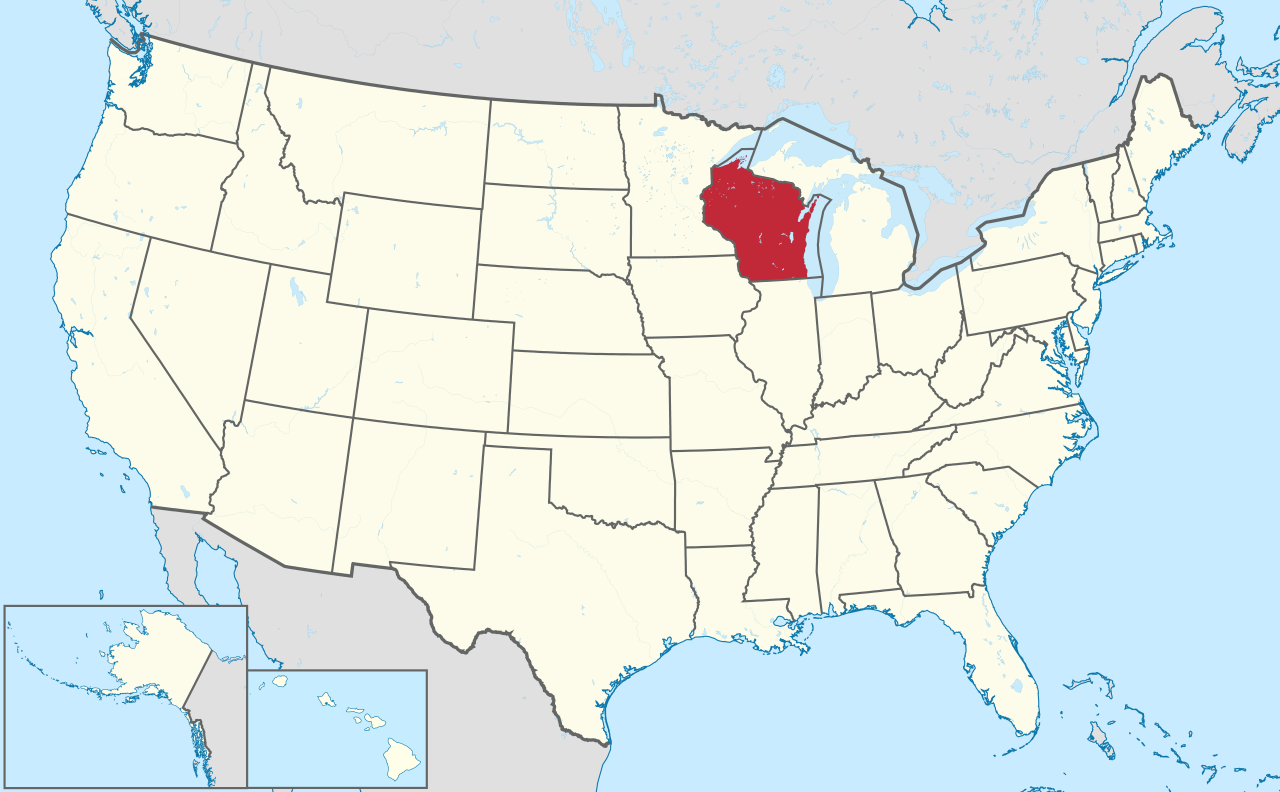
Wisconsin in United States


Geographic Foundations and Ecological Diversity
Wisconsin's geographical setting in the Upper Midwest and Great Lakes regions provides a foundation for its diverse ecosystems and economic activities. With an area of approximately 65,500 square miles, it ranks as the 23rd largest state. Its extensive coastline along Lake Michigan and Lake Superior, the third longest among Great Lakes states, significantly influences its climate and economy, supporting industries like shipping and tourism.
The northern part of the state is dominated by the vast Chequamegon-Nicolet National Forest, a testament to its significant forest cover. In contrast, the western Driftless Area presents a unique unglaciated topography of rugged hills and valleys, offering a starkly different landscape. The interior and eastern regions are characterized by wooded plains and fertile lowlands, historically conducive to agriculture.
This varied geography has not only shaped its natural beauty but also dictated patterns of settlement, resource utilization, and economic development throughout its history.
Indigenous Roots and European Immigration Waves
The historical narrative of Wisconsin is deeply rooted in its indigenous populations. At the time of European contact, the region was inhabited by various Algonquian and Siouan speaking nations, whose descendants, represented by eleven federally recognized tribes, continue to be integral to the state's cultural fabric. Wisconsin's journey as a political entity began as part of the Northwest Territory, culminating in its statehood in 1848.
The 19th and early 20th centuries witnessed substantial European immigration, with a significant influx of settlers from Germany and Scandinavia. These groups brought with them distinct cultural practices, culinary traditions, and artisanal skills that profoundly influenced Wisconsin's identity. The enduring legacy of German American and Scandinavian American culture is still palpable today, particularly evident in its distinctive cuisine, featuring items like bratwurst and kringle, and in community traditions that celebrate this heritage.
The Dairy Dominance and Industrial Evolution
Wisconsin's economic identity is inextricably linked to its status as 'America's Dairyland.' It ranks as one of the nation's foremost dairy producers, with cheese production being a particularly celebrated industry. This agricultural strength is complemented by a robust history of brewing, with Milwaukee emerging as a long-standing center for beer production. The state's economy, however, is multifaceted, extending beyond agriculture and beverages. Manufacturing, healthcare, and information technology are significant contributors to its gross domestic product, which reached $348 billion in 2020.
This diversification reflects a strategic evolution from its agrarian roots to a more industrialized and service-oriented economy, while still leveraging its agricultural advantages, including the cultivation of cranberries and ginseng. Tourism also plays a vital role, drawing visitors to its natural landscapes and cultural attractions.
Cultural Landmarks and Political Significance
Beyond its economic contributions, Wisconsin holds significant cultural and political weight. It is home to a UNESCO World Heritage Site, comprising two seminal works by Wisconsin-born architect Frank Lloyd Wright: his studio at Taliesin and the Jacobs I House. These sites represent architectural innovation and a unique contribution to global heritage.
Politically, Wisconsin is recognized as a crucial 'swing state,' often playing a decisive role in national and statewide elections due to its closely divided electorate. This political dynamism is underscored by its historical role as the birthplace of the Republican Party in 1854, marking a pivotal moment in American political history. Furthermore, Wisconsin is known for its relatively permissive alcohol laws and distinct drinking culture, adding another layer to its unique social landscape.
Go deeper
Based on content from Wikipedia · Licensed under CC BY-SA 4.0