

2024 United States House of Representatives Elections
Images

US House 2024


The Precarious Balance of Power
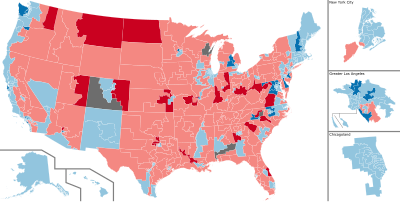
The 2024 United States House of Representatives elections were a stark illustration of a deeply divided electorate, culminating in a Republican majority so slim it was the narrowest since 1930. With 435 seats up for election, the outcome was decided by razor-thin margins, with forecasts suggesting a difference of less than five seats between the two major parties. The Republicans, under Speaker Mike Johnson, ultimately maintained control, but their victory was by a mere 2.6% margin in the popular vote and a handful of votes across just three congressional districts.
This outcome underscores the intense polarization in American politics, where a few thousand votes in specific swing districts can determine national legislative control. The election also highlighted the diminishing returns of incumbency and the challenges of maintaining a broad coalition in an era of heightened partisan animosity.
Historic Representation and Evolving Leadership
Beyond the tight numerical battle, the 2024 elections marked significant milestones in political representation. Hakeem Jeffries's leadership of the House Democratic Caucus represented a historic moment, as he became the first African American to lead either major party in Congress. This transition also signaled the end of Nancy Pelosi's long-standing tenure as Democratic leader. Furthermore, the election of Sarah McBride as the first openly transgender member of Congress shattered a significant barrier, reflecting a growing, albeit gradual, diversification of the legislative body.
These developments are crucial indicators of evolving societal norms and the increasing demand for a representative government that mirrors the multifaceted American populace.
The Enduring Trend of Midterm Seat Losses
A notable pattern observed in the 2024 elections, consistent with the previous two presidential election cycles, is the tendency for the party holding the presidency to lose seats in the House. Despite the Republicans maintaining their majority, this trend suggests a voter inclination to act as a check on the executive branch, even when the presidency is not directly on the ballot. This phenomenon, where the president's party experiences a net loss of House seats, has become a recurring feature of American electoral politics since 1954, indicating a structural challenge for the party in power during presidential election years.
Geographic Shifts and State-Level Realignment
The 2024 elections also brought about significant geographic realignments. Republicans regained a majority of the congressional delegation in Pennsylvania and Michigan for the first time since 2016, signaling a potential shift in electoral dynamics in key swing states. Conversely, Democrats saw gains in states like Alabama and Louisiana, though these were partly attributed to newly created congressional seats due to redistricting.
The overall map showed Republicans winning a majority of districts in 30 states, while Democrats secured majorities in 18, with two states electing split delegations. This distribution illustrates the complex and often localized nature of political competition across the United States.
The Impact of Congressional Dynamics
The events of the 118th Congress, including the contentious speakership elections, the debt-ceiling crisis, and the expulsion of George Santos, undoubtedly influenced voter sentiment leading into the 2024 elections. The narrow Republican majority means that legislative action will likely continue to be challenging, requiring significant negotiation and compromise. The results also granted Republicans a government trifecta for the first time since the 115th Congress, potentially enabling them to advance their legislative agenda more effectively, albeit within a highly constrained political environment.
The implications of this narrow mandate will shape policy debates and political strategies for the foreseeable future.
See also
Based on content from Wikipedia · Licensed under CC BY-SA 4.0