

1982 FIFA World Cup: The Big Soccer Party in Spain!
Images

Qualification for the 1982 FIFA World Cup

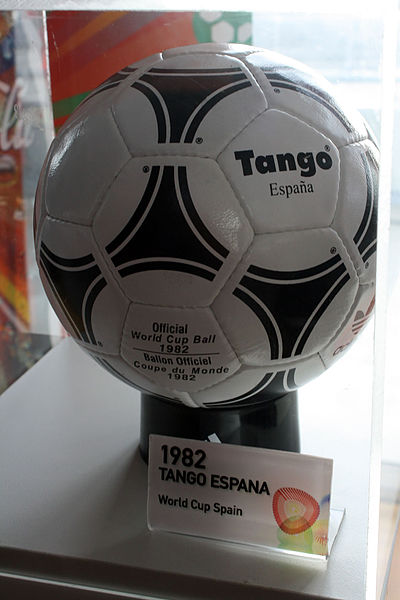


Spain's Grand Stage
The 1982 FIFA World Cup, held in Spain from June 13 to July 11, represented the 12th iteration of football's most prestigious international competition. This tournament was notable for expanding to 24 teams, a significant increase that allowed more nations to participate. Six countries made their inaugural appearances: Algeria, Cameroon, Honduras, Kuwait, New Zealand, and the Soviet Union.
This expansion aimed to broaden the global reach of the World Cup. The tournament was also the third and final edition to feature two distinct rounds of group stages before the knockout phase, a format that would be replaced in subsequent tournaments, reflecting an ongoing evolution in tournament structure.
Italy's Glorious Redemption and Tactical Masterclass
Italy emerged as champions, defeating West Germany 3-1 in a final that captivated a global audience. This victory was Italy's third World Cup title but their first since 1938, marking a significant resurgence after decades without the ultimate prize. Their path to glory was not without its challenges, including a slow start in the group stages.
However, under the tactical guidance of Enzo Bearzot and inspired performances, particularly from Paolo Rossi who became the tournament's top scorer, Italy demonstrated resilience and tactical acumen. This triumph cemented their place in football history and provided a dramatic narrative of redemption.
Record-Breaking Performances and the Dawn of the Penalty Shootout
The 1982 World Cup witnessed some extraordinary goal-scoring feats. Hungary's 10-1 demolition of El Salvador in the group stage equaled the record for the largest margin of victory in a World Cup match, a testament to their offensive prowess. More significantly, this tournament introduced the penalty shootout to the World Cup finals. The semi-final match between West Germany and France, which ended 3-3 after extra time and was decided by penalties, became an instant classic and a symbol of the dramatic tension that shootouts can bring to high-stakes matches.
This innovation fundamentally altered how tied games could be resolved.
Controversies and the Specter of Brutality
Despite the thrilling football, the 1982 World Cup was also marred by controversy and a perceived increase in physical play. The semi-final clash between West Germany and France saw a notorious foul by German goalkeeper Harald Schumacher on Patrick Battiston, which went unpunished and sparked outrage. Similarly, Italian defender Claudio Gentile's aggressive marking of Diego Maradona became a talking point.
These incidents, along with other instances of rough play and questionable officiating, led FIFA to implement stricter regulations for future tournaments, aiming to curb brutality and promote a more sporting environment on the pitch.
Legacy and Lasting Impact on the Game
The 1982 FIFA World Cup left an indelible mark on the sport. Italy's victory, the introduction of penalty shootouts, and the debut of several nations broadened the tournament's appeal and competitive landscape. The controversies, while regrettable, served as a catalyst for change, prompting FIFA to reinforce rules against excessive physicality and ensure greater player safety.
The tournament also highlighted the tactical diversity within European football, as all four semi-finalists hailed from Europe, a trend that underscored the continent's dominance in the sport at that time. The event remains a pivotal moment in World Cup history, remembered for its blend of exhilarating football and significant off-field discussions.
See also
Frequently Asked Questions
What happened at the 1982 FIFA World Cup in Spain?+
Who won the 1982 World Cup and who did they beat in the final?+
Why was the 1982 World Cup special for new countries?+
What was the first time penalty shootouts were used in a World Cup?+
What big goal record happened in 1982?+
Based on content from Wikipedia · Licensed under CC BY-SA 4.0