

Yohannes IV
Images
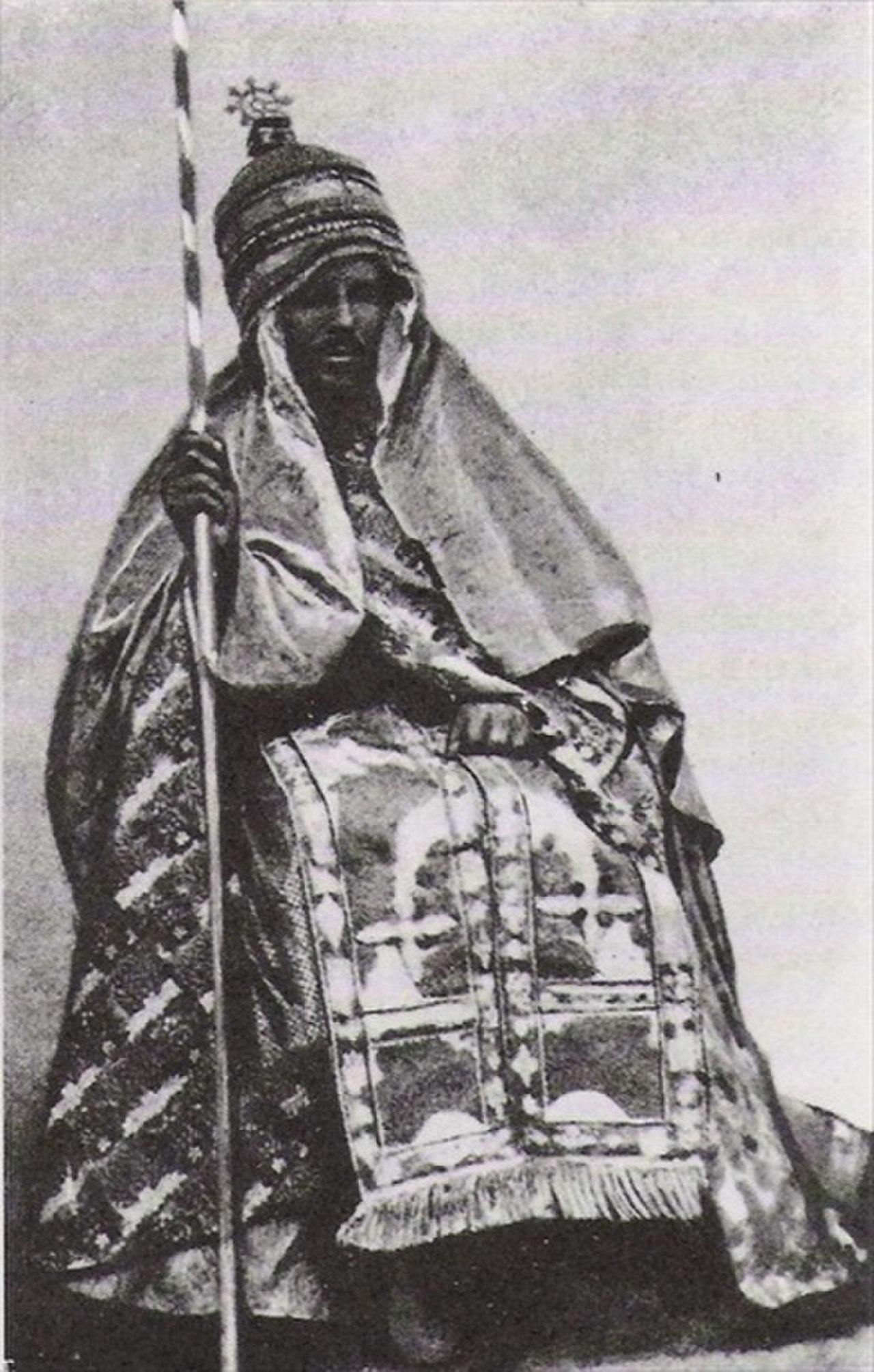
Yohannes IV
The Genesis of an Emperor
Born Kassa Hailu in the 1830s in the northern Ethiopian province of Tigray, Yohannes IV emerged from a period of intense regional conflict and decentralization known as the Zemene Mesafint (Era of Princes). He was a descendant of the Solomonic dynasty, which lent him legitimacy, but his ascent to the imperial throne in 1872 was the result of shrewd political maneuvering and military prowess. He skillfully navigated alliances and rivalries among the Ethiopian nobility, eventually defeating his rivals to claim the imperial title.
His early life was shaped by the constant struggle for power and the need to assert authority in a fragmented landscape, preparing him for the formidable challenges of imperial rule.
Defending the Realm
Yohannes IV's reign was defined by his relentless efforts to safeguard Ethiopia's sovereignty against external threats. The most significant was the expansionist policy of Egypt under Khedive Ismail Pasha, which aimed to control the Nile basin and establish dominance over Ethiopia. Yohannes IV met this threat head-on, demonstrating exceptional military leadership.
The Battle of Gura in 1876 was a watershed moment, where his disciplined and well-led Ethiopian forces decisively defeated a numerically superior and better-equipped Egyptian army. This victory not only thwarted Egyptian ambitions but also bolstered Ethiopian morale and international standing. He also faced threats from the Mahdist uprising in Sudan, ultimately leading to his death in battle at Metemma in 1889 while defending his empire.
Forging Unity
Beyond military defense, Yohannes IV was deeply invested in consolidating imperial authority and fostering a unified Ethiopian identity. He sought to integrate the various regional powers and ethnic groups under a centralized administration, though this was a complex and ongoing process. As a devout adherent of the Ethiopian Orthodox Tewahedo Church, he saw religion as a cornerstone of national unity and identity.
He actively supported the Church, convened religious councils, and promoted its influence, reinforcing the historical link between the Ethiopian monarchy and the Church. This religious dimension of his rule was crucial in binding the diverse populations of the empire together and legitimizing his imperial claims.
Enduring Legacy
Emperor Yohannes IV's death in 1889 marked the end of a significant era for Ethiopia. His legacy is that of a formidable warrior-emperor who successfully preserved Ethiopia's independence during a period of intense colonial expansion in Africa. His military victories against powerful foreign adversaries became legendary, solidifying his image as a national hero.
He is credited with strengthening the Ethiopian state and reinforcing its unique cultural and religious heritage. His reign serves as a powerful example of African resistance to foreign domination and a testament to the enduring spirit of Ethiopian nationhood, influencing subsequent Ethiopian leaders and national consciousness.
See also
Based on content from Wikipedia · Licensed under CC BY-SA 4.0