

Yi Sun-sin
Images

Yi Sun-sin
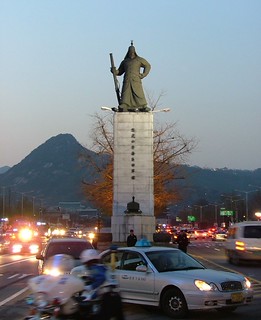


From Scholar to Admiral
Yi Sun-sin (1545-1598) was born into a challenging era for Korea, marked by internal political strife and the looming threat of Japanese expansionism. Though he initially pursued a scholarly path, his calling led him to the military. His early career was characterized by diligence, integrity, and a deep understanding of military strategy, even before he commanded fleets.
He faced political persecution and demotion, yet his unwavering commitment to duty and his nation never wavered. When the Imjin War erupted in 1592, Yi Sun-sin was appointed Naval Commander of the Left Jeolla Province, a position from which he would orchestrate a series of astonishing defensive victories that fundamentally altered the course of the war.
The Geobukseon
Yi Sun-sin's tactical brilliance was amplified by his strategic deployment and enhancement of the Geobukseon, or turtle ship. While the concept of armored ships existed elsewhere, the Korean turtle ship, particularly as refined under Yi Sun-sin, was a distinct innovation. Its defining feature was a heavily reinforced, arched roof covered in iron plates and sharp spikes, making it virtually impervious to enemy boarding attempts and projectile attacks.
This formidable structure, combined with a powerful ram at the bow and multiple cannon ports allowing for 360-degree firing, transformed it into an offensive weapon capable of shattering enemy formations. The dragon-shaped prow, capable of emitting smoke or fire, added a psychological as well as tactical advantage, striking fear into the hearts of opponents.
Master of the Seas
Yi Sun-sin's military record is legendary, marked by an astonishing undefeated streak across numerous engagements. His most celebrated victory, the Battle of Myeongnyang (1597), exemplifies his strategic genius. Facing a Japanese fleet estimated at over 300 ships with his own meager force of just 12 vessels, Yi Sun-sin masterfully utilized the treacherous tidal currents of the Myeongnyang Strait.
He lured the Japanese into a narrow channel where their superior numbers became a disadvantage, allowing his smaller, more agile ships, including the formidable turtle ships, to inflict devastating damage. This single battle crippled the Japanese navy's ability to supply its land forces and is considered one of history's most remarkable naval victories, preventing the complete subjugation of Korea.
Enduring Significance and Modern Relevance
The legacy of Yi Sun-sin transcends military history; he is a national icon in Korea, embodying patriotism, resilience, and strategic foresight. His unwavering integrity, even when unjustly imprisoned and tortured, highlights his profound character. His victories were not merely tactical triumphs; they were crucial in preventing Japan from conquering Korea and subsequently threatening Ming China, thereby stabilizing East Asian geopolitics for decades.
In modern times, Yi Sun-sin remains a powerful symbol of national pride and a testament to the impact of intelligent leadership and technological innovation in overcoming adversity. His life continues to inspire discussions on leadership, strategy, and the enduring power of courage against overwhelming odds.
See also
Frequently Asked Questions
What was Yi Sun-sin famous for?+
How did the turtle ship help Yi Sun-sin win battles?+
Why was the Battle of Myeongnyang important?+
What happened to Yi Sun-sin when he was unfairly punished?+
Why do people still remember Yi Sun-sin today?+
Based on content from Wikipedia · Licensed under CC BY-SA 4.0