

The Imjin War: A Giant Clash!
Images
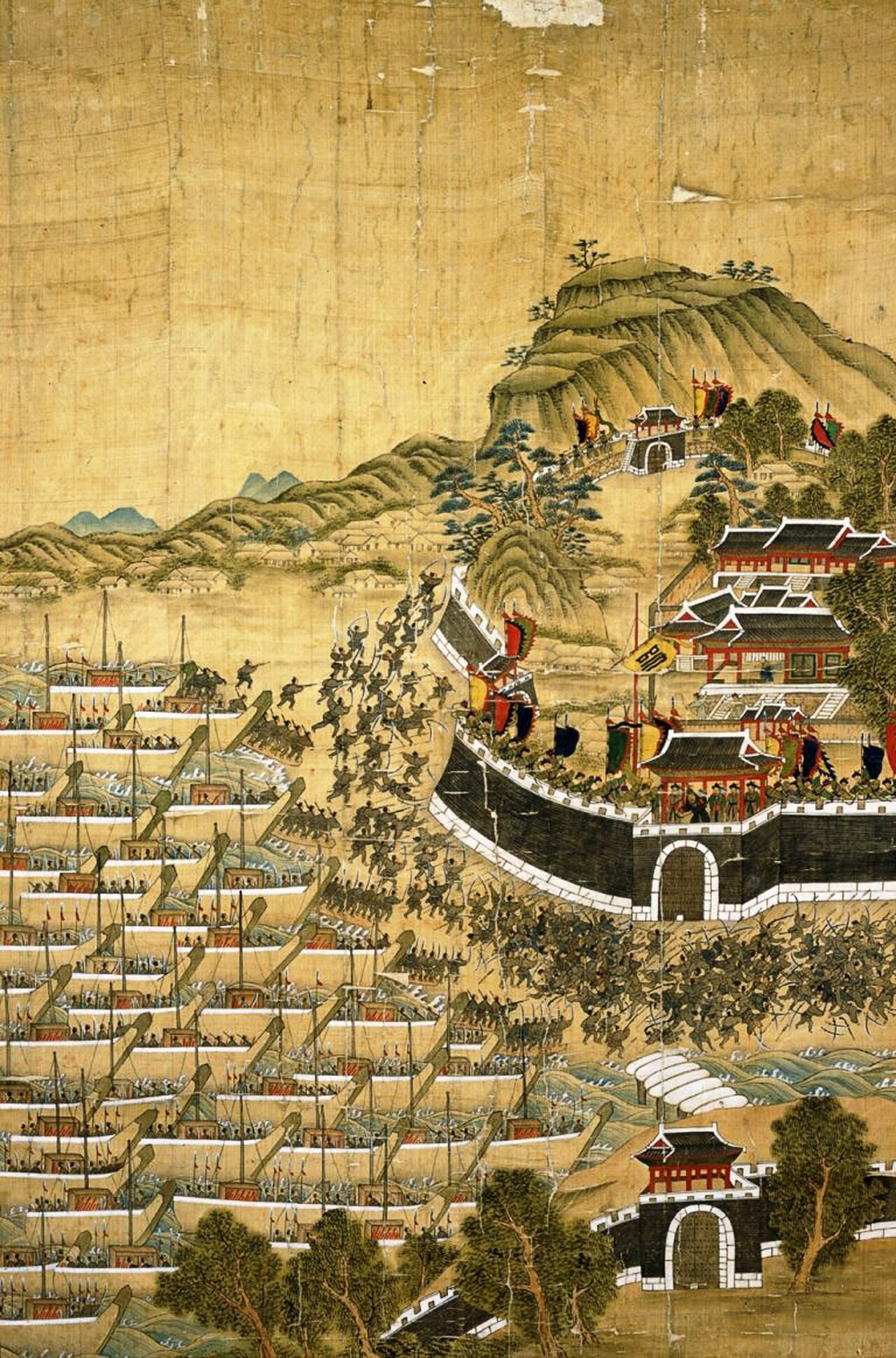
Imjin War
Hideyoshi's Grand Design and the Initial Onslaught
The Imjin War, also known as the Japanese invasions of Korea, was launched in 1592 by Toyotomi Hideyoshi, the de facto ruler of Japan. Driven by a desire to consolidate his power, secure his legacy, and potentially divert internal tensions, Hideyoshi envisioned a continental empire. He demanded that Joseon Korea allow Japanese troops passage to conquer Ming China.
When Korea, a tributary state of China, refused, Hideyoshi unleashed an enormous invasion force, estimated between 150,000 and 200,000 soldiers, organized into seven divisions. The initial Japanese advance was devastatingly effective, exploiting Korean military weaknesses and capturing key cities, including Hanyang and Pyongyang, within months. This rapid success created a sense of impending doom for the Korean peninsula and posed a direct threat to the Ming Dynasty.
Joseon's Resilience and the Turtle Ship's Ascendancy
Despite the catastrophic losses on land, the Joseon Dynasty demonstrated remarkable resilience, largely due to the extraordinary leadership of Admiral Yi Sun-sin and the innovative naval capabilities of Korea. Yi Sun-sin, a brilliant strategist, faced overwhelming odds against the Japanese navy, which was crucial for supplying their land forces. He masterfully employed the 'turtle ship' (Geobukseon), a revolutionary ironclad vessel designed to withstand cannon fire and ram enemy ships, often equipped with cannons firing from multiple directions and a spiked deck to deter boarding.
Yi Sun-sin's tactical genius and the superiority of his fleet led to a series of decisive naval victories, most notably at the Battle of Hansan Island. These triumphs severed Japanese supply lines, prevented reinforcements, and ultimately rendered the land invasion unsustainable, forcing the Japanese to regroup and seek negotiations.
The Ming Intervention and the Protracted Stalemate
The Ming Dynasty, initially hesitant, recognized the existential threat posed by Japan's ambitions. By 1593, they dispatched a substantial expeditionary force, numbering tens of thousands, to support Korea. This intervention elevated the conflict to a full-scale regional war.
The combined Korean and Ming forces, under unified command, managed to push the Japanese back from Pyongyang and engage in fierce battles across the peninsula. However, the Japanese army, though hampered by logistical issues, remained a potent fighting force. The war devolved into a protracted and bloody stalemate, characterized by costly sieges, skirmishes, and devastating destruction of Korean infrastructure and civilian populations.
Both sides suffered immense casualties, and the conflict drained the resources of all three nations.
Diplomatic Maneuvering and the War's Enduring Impact
The war concluded in 1598 following Toyotomi Hideyoshi's death earlier that year, which removed the primary impetus for the Japanese campaign. The remaining Japanese forces withdrew from Korea. The Imjin War left Korea in ruins, with widespread famine, disease, and demographic collapse.
However, the conflict also fostered a stronger sense of Korean national identity and solidified its alliance with China. For Japan, the war exposed the limitations of its military power and contributed to internal instability. The Imjin War is a critical case study in East Asian history, highlighting the impact of ambitious leadership, the effectiveness of innovative military technology, the complexities of international alliances, and the profound human cost of prolonged warfare, leaving a lasting legacy on the geopolitical landscape of the region.
Go deeper
Frequently Asked Questions
What was the Imjin War and why did it happen?+
Who was Admiral Yi Sun-sin and what did he do?+
What was a turtle ship?+
Why did the war end in 1598?+
How did the war affect Korea?+
Based on content from Wikipedia · Licensed under CC BY-SA 4.0