

Yangtze River
Images
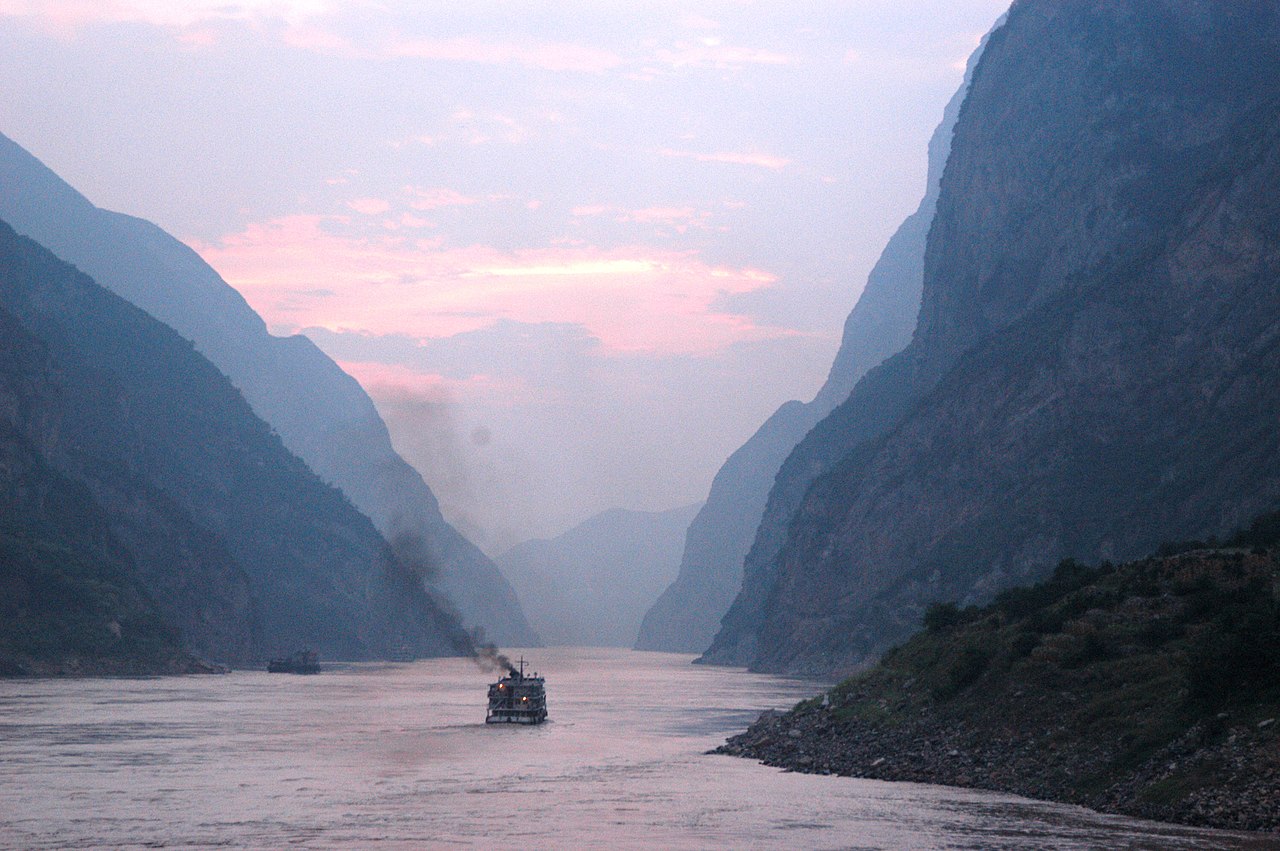
Yangtze
Geographical Genesis and Hydrological Significance
The Yangtze River, originating in the Tanggula Mountains of the Tibetan Plateau, is the longest river in Asia and the third longest globally. Its extensive drainage basin, covering approximately 1.8 million square kilometers, encompasses a significant portion of China's landmass and supports over a third of its population. The river's course is characterized by dramatic geographical transitions, from the steep, narrow gorges of the upper reaches, such as the Three Gorges, to the broad, meandering middle and lower plains.
This varied topography dictates its hydrological behavior, influencing flood patterns, sediment transport, and the distribution of water resources across diverse climatic zones, from subtropical to temperate. The Yangtze's immense discharge into the East China Sea also plays a role in regional oceanography.
Historical Trajectory and Cultural Resonance
The Yangtze River has been central to the development of Chinese civilization for over 6,000 years, serving as a cradle for Neolithic cultures and a vital artery for imperial expansion and trade. Its fertile floodplains fostered intensive rice cultivation, forming the agricultural backbone of southern China and supporting dense populations. Historically, control of the Yangtze was often a strategic objective, influencing the rise and fall of dynasties and shaping political boundaries.
Culturally, the river has inspired countless works of art, literature, and philosophy, embedding itself deeply within the Chinese psyche as a symbol of continuity, power, and natural beauty. Its role as a transportation network facilitated cultural exchange and the diffusion of ideas across vast distances.
Economic Engine and Infrastructure Development
The Yangtze River basin is China's most economically dynamic region, contributing significantly to the nation's GDP. Its waters are indispensable for agriculture, industry, and urban development. The construction of massive infrastructure projects, most notably the Three Gorges Dam, has aimed to harness the river's power for hydroelectricity generation, flood control, and improved navigation.
The dam, the world's largest power station, generates substantial electricity but has also led to significant environmental and social impacts. The Yangtze River Delta, a major global manufacturing and financial hub, relies heavily on the river for transportation of raw materials and finished goods, connecting inland production centers with international markets via the port of Shanghai.
Ecological Crisis and Conservation Imperatives
Despite its economic importance, the Yangtze River faces severe ecological challenges. Decades of industrialization, agricultural runoff, and dam construction have led to widespread pollution, habitat degradation, and a drastic decline in biodiversity. Many endemic species, such as the Yangtze river dolphin (baiji) and Chinese paddlefish, are now extinct or critically endangered.
The Yangtze finless porpoise remains highly vulnerable. Addressing these issues requires a multi-faceted approach, including stricter pollution controls, sustainable water management practices, ecological restoration efforts, and international cooperation. The long-term health of the Yangtze is crucial not only for China's environmental security but also for global ecological balance.
Governance and Future Prospects
The governance of the Yangtze River involves complex coordination among various government ministries, provincial authorities, and international bodies, particularly concerning water resource management, environmental protection, and navigation. China has established national-level strategies, such as the Yangtze River Economic Belt initiative, aimed at promoting coordinated development and ecological conservation. However, balancing economic growth with environmental sustainability remains a significant challenge. Future prospects depend on the effective implementation of these policies, technological innovation in pollution control and resource management, and a continued commitment to preserving the ecological integrity of this vital waterway for generations to come.
Go deeper
Frequently Asked Questions
Where does the Yangtze River start?+
Why is the Yangtze River important for Chinese history?+
How does the Three Gorges Dam affect the river?+
What animals live in the Yangtze River?+
What problems are hurting the Yangtze River today?+
Based on content from Wikipedia · Licensed under CC BY-SA 4.0