

Frank Lloyd Wright: The House Wizard!
Images
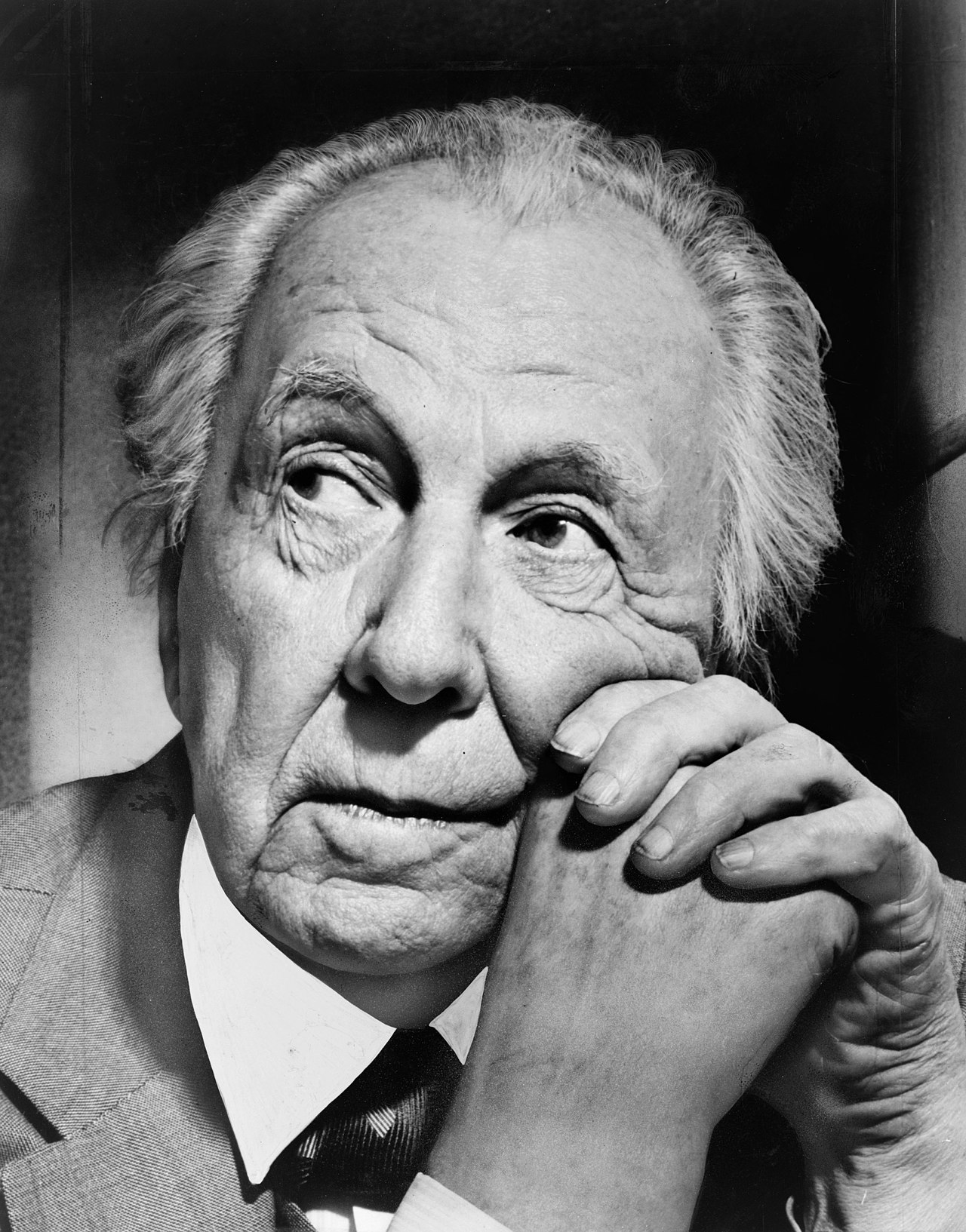
Frank Lloyd Wright
A Life Dedicated to Architectural Innovation
Born in 1867, Frank Lloyd Wright emerged as a transformative figure in 20th-century architecture. His prolific career, spanning seven decades, produced over 1,000 designs, profoundly influencing architectural movements worldwide. Wright's early life in rural Wisconsin instilled in him a deep appreciation for nature, which became the cornerstone of his design philosophy.
After studying civil engineering and apprenticing with Chicago architects Joseph Lyman Silsbee and Louis Sullivan, he established his own practice in 1893. Wright wasn't just a designer; he was also a writer and educator, mentoring hundreds of apprentices at his Taliesin Fellowship, further disseminating his ideas and shaping future generations of architects.
The Ethos of Organic Architecture
Wright's seminal concept, 'organic architecture,' posited that buildings should be in harmony with humanity and the environment. This wasn't merely about aesthetics; it was a holistic approach to design. He believed structures should emerge from their sites, utilizing local materials and echoing the natural forms and rhythms of the landscape.
This philosophy manifested in designs that often featured strong horizontal lines, open floor plans, and an integration of interior and exterior spaces through large windows and terraces. Wright sought to create environments that fostered a sense of belonging and connection to the natural world, moving away from the rigid, imposed styles of the past.
Iconic Masterpieces
Among Wright's most celebrated works is Fallingwater (1935-1939), a residence in rural Pennsylvania that stands as a testament to his organic principles. Built directly over a waterfall, its cantilevered concrete terraces dramatically extend over the stream, creating a dialogue between the built form and the powerful natural element. It is widely regarded as a pinnacle of American architecture.
Other significant projects include the utilitarian yet elegant Usonian homes, designed for middle-income families, and the distinctive Guggenheim Museum in New York City (completed 1959), with its iconic spiraling ramp that revolutionized museum design. His work spanned diverse building types, from churches and schools to skyscrapers and hotels, each bearing his unique imprint.
Legacy and Enduring Influence
Frank Lloyd Wright's impact on architecture is immeasurable. He was a pioneer of the Prairie School movement and developed the concept of the Usonian home, envisioning a new kind of American living. His influence extended beyond his designs; his writings and lectures disseminated his ideas globally.
The American Institute of Architects recognized his monumental contribution by naming him the 'greatest American architect of all time' in 1991. Further solidifying his legacy, a selection of his works was inscribed as a UNESCO World Heritage Site in 2019, acknowledging their outstanding universal value. Wright's vision continues to inspire architects and designers to create spaces that are both beautiful and deeply connected to their context.
Go deeper
Frequently Asked Questions
What is Frank Lloyd Wright famous for?+
Why did he call his style "organic architecture"?+
How does Fallingwater show his ideas?+
What are Usonian homes?+
When was he named the greatest American architect?+
Based on content from Wikipedia · Licensed under CC BY-SA 4.0