

Borscht: The Super Soup!
Images
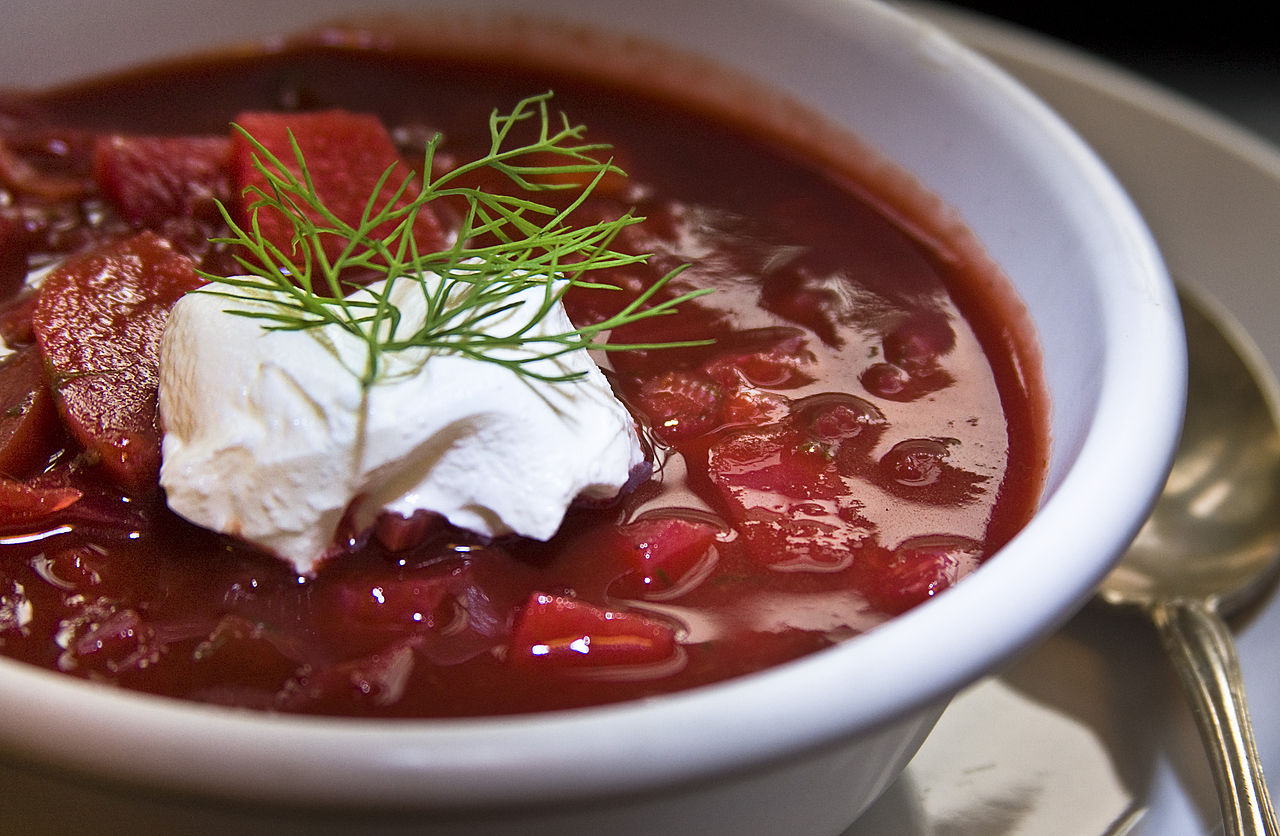
Borscht
The Botanical Genesis and Proto-Borscht
The story of Borscht begins not with beets, but with the humble hogweed (Heracleum sphondylium), a common plant found in damp meadows across Eurasia. Ancient Slavic peoples utilized its stems, leaves, and umbels to create a foundational sour soup, from which the name 'Borscht' is derived. This proto-Borscht was likely a utilitarian dish, providing sustenance through its available wild ingredients.
The sourness, a defining characteristic of modern Borscht, would have naturally come from the hogweed itself or through fermentation processes. This ancient soup represents a direct link to early foraging and culinary practices, demonstrating a deep understanding of local flora. The evolution from this wild-plant-based broth to the complex dishes known today is a testament to centuries of culinary experimentation and adaptation, showcasing how basic sustenance can transform into sophisticated cuisine.
The Diversification of Borscht
While the Ukrainian beetroot Borscht has achieved global recognition, it represents just one branch of a much larger culinary tree. The term 'Borscht' encompasses a wide array of sour soups, each with its unique character and regional variations. Green Borscht, for instance, derives its vibrant hue and tartness from sorrel, a different plant altogether, offering a lighter, spring-like flavor profile.
White Borscht, often based on fermented rye or other grains, presents a distinct sourness that differs from the earthy sweetness of beet-based varieties. Even within beetroot Borscht, there are countless permutations, differing in stock (meat, bone, or vegetable), added vegetables (cabbage, potatoes, carrots, tomatoes), and preparation methods. This inherent diversity underscores Borscht's adaptability, allowing it to be tailored to local ingredients, dietary preferences (vegetarian, vegan, meat-inclusive), and seasonal availability, making it a truly versatile culinary concept.
Borscht as a Cultural Emblem and Migratory Food
Borscht's significance extends far beyond its gustatory appeal; it is deeply interwoven with the cultural fabric of Eastern Europe and its diaspora. Recognized as a national dish by several ethnic groups, it often plays a role in significant cultural and religious observances, particularly within Greek Catholic, Roman Catholic, and Jewish traditions. The soup's migration, propelled by historical movements like the Russian Empire's diaspora, has cemented its status as a diasporic food.
In North America, for example, Borscht is strongly associated with Jewish and Mennonite communities, serving as a tangible link to their ancestral homelands and traditions. This culinary heritage continues to be passed down through generations, ensuring Borscht remains a potent symbol of identity, memory, and belonging for communities worldwide.
The Culinary Craft
The preparation of Borscht is a nuanced process that emphasizes the layering of flavors and textures. Typically, it begins with a robust stock, either meat-based (beef, pork) or vegetable-based, which forms the soup's foundation. Vegetables like beets, cabbage, carrots, onions, and potatoes are often pre-cooked or sautéed to enhance their natural sweetness and develop complex flavors.
The characteristic sourness can be achieved through various means, including the natural acidity of beets and tomatoes, or the addition of ingredients like kvass, vinegar, or lemon juice. Borscht can be served in a spectrum of consistencies, from a clear, light broth to a thick, hearty stew, and can be enjoyed piping hot or refreshingly cold. Traditional accompaniments, such as 'smetana' (sour cream), hard-boiled eggs, or potatoes, are common, while more elaborate regional variations include 'uszka' (small dumplings) or 'pampushky' (garlic-infused bread rolls), elevating the dish into a complete culinary experience.
Go deeper
Frequently Asked Questions
What is Borscht?+
Why is Borscht sour?+
Where did Borscht start?+
What are the different kinds of Borscht?+
How is Borscht made?+
Based on content from Wikipedia · Licensed under CC BY-SA 4.0