

Tomb of Tutankhamun
Images

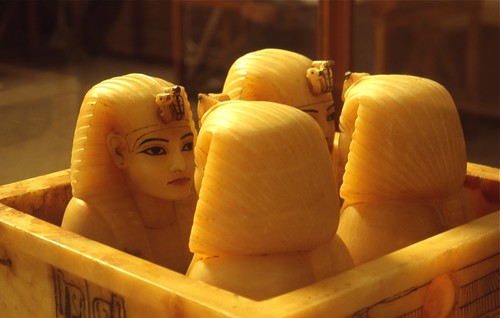
UC24673 (Petrie Museum) Lid, from a pottery Canopic jar?, with the head of Qebesnnef ? (or possibly even a head of a hawk with 2 plums/sun's disc, which would parallel 2 such lids from the Tomb of Tutankhamun, now on display in Cairo). Damaged at rim, as



KV62
The tomb of Tutankhamun, designated KV62, is situated in the renowned Valley of the Kings on the west bank of the Nile River. Discovered in 1922 by Howard Carter, it stands out not for its grandeur, but for its extraordinary state of preservation. Unlike many other royal tombs, which were extensively plundered in antiquity, KV62 is relatively small, comprising four chambers and an entrance passage. Evidence suggests it may have originally been intended for a non-royal individual, hastily adapted for Tutankhamun's burial following his premature death around 1323 BC.
This unusual circumstance contributed to its survival; the tomb's modest size and its low-lying position, partially obscured by debris from later construction and natural flooding, helped conceal it from tomb robbers during the Third Intermediate Period. This accidental protection allowed the vast majority of its funerary goods to remain undisturbed for over three millennia, providing an unprecedented window into the material wealth and burial practices of the Eighteenth Dynasty.
A Densely Packed Assemblage of Funerary Goods
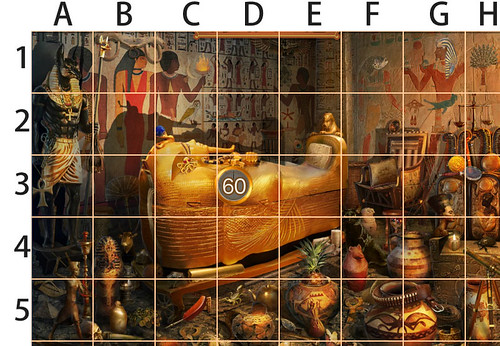
Tutankhamun, a pharaoh of the 18th Dynasty, was interred with an astonishing array of grave goods, reflecting the wealth and status of Egyptian royalty. These items included multiple nested coffins, a solid gold sarcophagus, elaborate furniture, chariots, weapons, clothing, jewelry, and ritual objects. The limited space within KV62 necessitated a highly organized, dense packing of these artifacts.
This meticulous arrangement offers invaluable information about the types of possessions deemed essential for the pharaoh's journey into the afterlife, as well as the sophisticated craftsmanship of ancient Egyptian artisans. The sheer volume and opulence of the objects underscore the importance placed on ensuring the pharaoh's successful transition and eternal well-being, even for a ruler whose reign was relatively short and perhaps less impactful than some of his predecessors.
The Carter Expedition
The discovery of Tutankhamun's tomb by Howard Carter, sponsored by Lord Carnarvon, was a watershed moment in the field of Egyptology. After years of meticulous excavation and searching, Carter's team uncovered the sealed entrance in November 1922. The subsequent excavation and cataloging process, which took nearly a decade, revealed thousands of artifacts.
The find generated unprecedented global media attention, sparking a worldwide fascination with ancient Egypt that continues to this day. This 'Egyptomania' influenced art, fashion, and popular culture. Beyond the sensationalism, the tomb provided crucial, albeit limited, historical data on Tutankhamun's reign and the preceding Amarna Period, shedding light on the transition back to traditional religious practices after Akhenaten's monotheistic reforms.
It also offered concrete evidence of ancient tomb robbery patterns.
Enduring Legacy
The artifacts from Tutankhamun's tomb are now primarily housed in the Egyptian Museum in Cairo and the Grand Egyptian Museum in Giza, serving as vital cultural heritage and educational resources. The tomb itself, though a major tourist attraction, faces challenges from environmental factors and visitor impact. Conservation efforts are ongoing, and a replica burial chamber has been constructed to alleviate pressure on the original site.
Tutankhamun's fame, largely a product of his tomb's discovery, has made him arguably the most famous pharaoh globally. His golden funerary mask is an iconic symbol of ancient Egypt, recognized worldwide. The tomb's discovery continues to inspire archaeological research, conservation science, and public interest in the enduring mysteries and achievements of ancient civilizations.
See also
Frequently Asked Questions
What is the Tomb of Tutankhamun?+
Why was the tomb so well preserved?+
How many rooms does the tomb have?+
Who found the tomb and when?+
Where can we see the treasures today?+
Based on content from Wikipedia · Licensed under CC BY-SA 4.0