

Tomb of Nebamun
Images

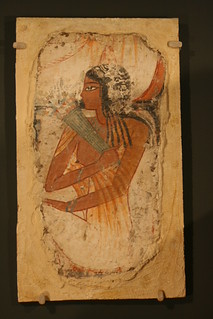
File:Nebamun Supervising Estate Activities, Tomb of Nebamun MET DT11772 detail-3.jpg


The Vanishing Sanctuary
The Tomb of Nebamun represents a fascinating intersection of archaeological discovery, artistic preservation, and enduring mystery. Dating to the Eighteenth Dynasty (circa 1550–1292 BCE), a golden age of Egyptian art and imperial power, this tomb was situated within the sprawling Theban Necropolis, a UNESCO World Heritage site on the west bank of the Nile. Nebamun himself was likely a scribe and counter of grain, a position of considerable importance during this era.
The tomb's fame stems not from monumental architecture, but from the exceptionally preserved and vibrant wall paintings that once decorated its chapels. These scenes offer an unparalleled window into the life, beliefs, and artistic sensibilities of the Egyptian elite. However, the tomb's precise location was deliberately obscured by its discoverers in the 19th century, amidst intense rivalries between early archaeologists and collectors.
This act of preservation through secrecy ultimately led to the tomb's disappearance from modern records, transforming it into one of Egyptology's most compelling unsolved puzzles.
A Masterclass in Ancient Egyptian Artistry
The artistic merit of Nebamun's tomb is its defining characteristic. The surviving fragments, meticulously removed and now housed primarily in the British Museum, showcase a remarkable level of detail, color, and dynamism. Unlike the more rigid, formal depictions often found in royal tombs, Nebamun's paintings exhibit a lively naturalism.
Scenes depict Nebamun participating in banquets with his wife and family, overseeing agricultural activities, and engaging in thrilling fowling expeditions in the Nile marshes, complete with vivid depictions of birds and aquatic life. These artworks are invaluable primary sources, providing crucial insights into social customs, religious practices (such as funerary rituals and offerings), economic activities, and the natural environment of ancient Egypt. The quality and preservation of these paintings allow scholars to study ancient Egyptian artistic techniques, color palettes, and stylistic conventions with exceptional clarity, offering a tangible connection to the past that transcends time.
The Enduring Quest
The search for Nebamun's tomb is a testament to the evolving nature of archaeological investigation. While early discoveries relied on chance and rudimentary excavation, modern efforts employ sophisticated scientific techniques. In 2008–2009, research utilizing geographical information systems (GIS) and comparative analysis of historical records and landscape features pointed towards the vicinity of Dra' Abu el-Naga'.
This area, known for its numerous New Kingdom tombs, presents a complex archaeological landscape. The challenge lies in distinguishing Nebamun's tomb from the hundreds of others, especially given the deliberate obfuscation of its original location. Future searches might involve non-invasive ground-penetrating radar, magnetometry, and further analysis of satellite imagery, combined with ongoing archival research.
The goal is not merely to find the physical structure, but to potentially uncover any remaining artifacts or inscriptions that could shed further light on Nebamun's life and the context of his burial.
Significance Beyond the Nile
The Tomb of Nebamun holds profound significance, extending beyond its archaeological context. Its artistic legacy has profoundly influenced Western perceptions of ancient Egypt, captivating the public imagination and inspiring artists and designers for centuries. The presence of these exquisite artworks in a major international museum like the British Museum underscores the global nature of cultural heritage and the complex history of artifact acquisition.
The ongoing mystery of the tomb's location also raises important questions about archaeological ethics, the balance between preservation and accessibility, and the challenges of managing cultural heritage sites. It serves as a powerful case study in the ongoing process of discovery, interpretation, and the enduring human fascination with uncovering the secrets of past civilizations, reminding us that history is not always a closed book.
See also
Based on content from Wikipedia · Licensed under CC BY-SA 4.0