

Togo
Images
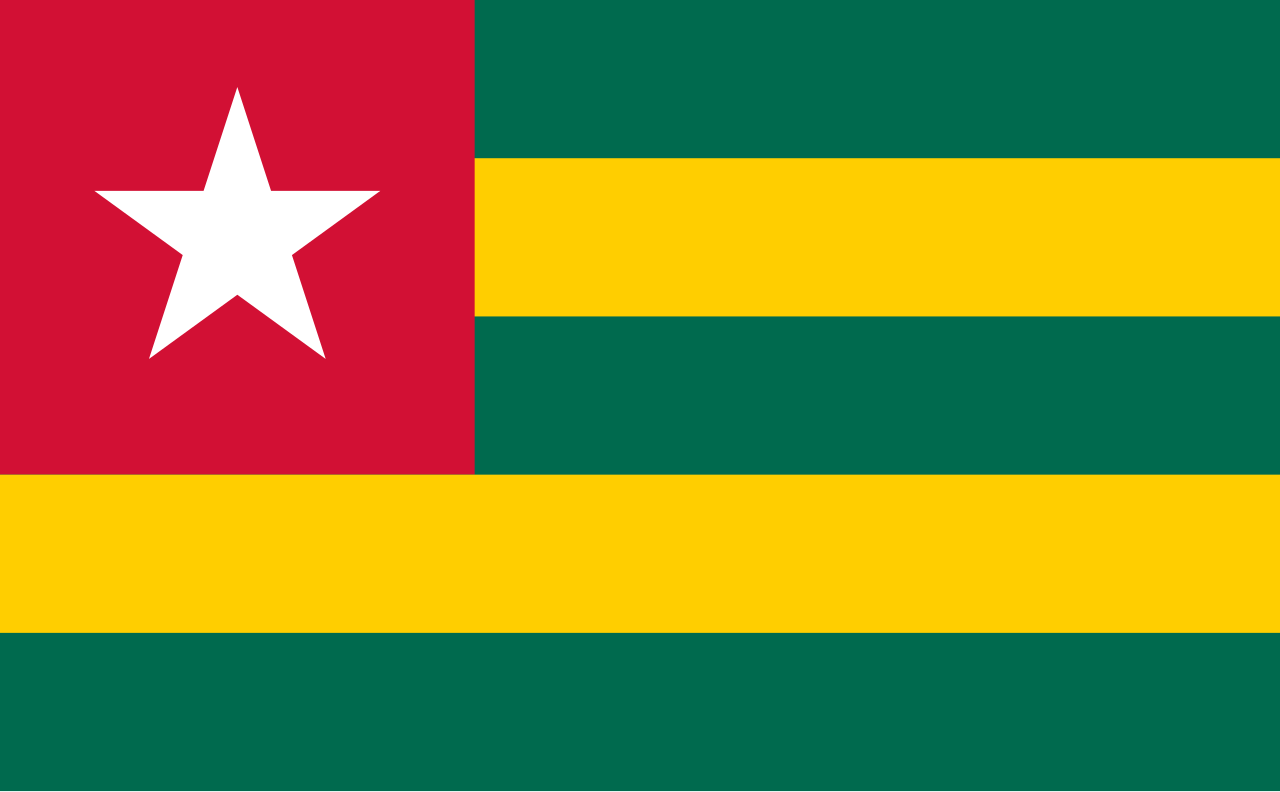
Togo
Opens Google Maps in new tab
Geopolitical Landscape and Environmental Context
Togo, officially the Togolese Republic, occupies a strategic position in West Africa, characterized by its distinctive elongated shape. It shares borders with Ghana to the west, Benin to the east, and Burkina Faso to the north, with its southern frontier defined by the Gulf of Guinea. This narrow strip of land, measuring less than 115 kilometers (71 miles) in width, presents unique geographical and logistical challenges.
Its tropical climate supports a diverse range of ecosystems, from coastal lagoons and savannas to more arid northern regions. The country's total area is approximately 57,000 square kilometers, making it a relatively small nation. This geography influences its climate, agricultural potential, and the distribution of its population, with the majority concentrated in the southern, more developed areas, particularly around the capital, Lomé.
The nation's access to the Atlantic via the Gulf of Guinea is crucial for its trade and international relations.
Historical Trajectories
The history of Togo is a complex narrative of migration, trade, and external influence. Various ethnic groups settled in the region between the 11th and 16th centuries, establishing distinct societies. The coastal areas, from the 16th to the 18th centuries, became notorious as a major European slave trading post, earning the moniker 'The Slave Coast.' This period left a profound and often traumatic legacy.
In the late 19th century, during the 'scramble for Africa,' Germany established a protectorate known as Togoland. Following Germany's defeat in World War I, the territory was divided and administered by France and Britain. Togo gained full independence from France on April 27, 1960.
The post-independence era has been marked by political instability, including military coups and long periods of authoritarian rule, most notably under President Gnassingbé Eyadéma, who governed for 38 years, making him one of Africa's longest-serving leaders. His son, Faure Gnassingbé, succeeded him, continuing the political lineage.
Cultural Mosaic
Togo is a vibrant tapestry of cultures, reflected in its linguistic diversity. While French serves as the official language, essential for administration and international communication, it is complemented by a rich array of indigenous languages. The Gbe language family is particularly prominent, with languages like Ewe spoken by a significant portion of the population.
This linguistic pluralism underscores the country's diverse ethnic makeup. Religion also plays a significant role, with Christianity being the largest faith, adhered to by approximately 47.8% of the population. Traditional animist beliefs and Islam are also practiced, contributing to the nation's spiritual landscape.
These cultural elements are interwoven into daily life, social customs, and community practices, creating a unique Togolese identity.
Economic Foundations and Development Challenges
Togo's economy is predominantly agrarian, with agriculture forming the backbone of its economic activity. A substantial portion of the population is engaged in subsistence farming, cultivating staple crops such as yams, maize, and sorghum. Cash crops like cotton and cocoa are also important for export revenue. Despite its agricultural potential, Togo is classified as one of the least developed countries, facing challenges related to poverty, infrastructure, and economic diversification.
The capital, Lomé, serves as the primary economic hub and a key port for regional trade. Togo actively participates in international economic communities, such as the Economic Community of West African States (ECOWAS), seeking to foster regional cooperation and stimulate economic growth. Efforts are ongoing to develop other sectors, including mining and services, to reduce reliance on agriculture.
Governance and International Relations
The Togolese Republic operates under a presidential system, though its political history has been complex, marked by periods of single-party rule and military influence. The country is a member of numerous international organizations, including the United Nations, the African Union, the Organisation of Islamic Cooperation, and the Commonwealth of Nations. These affiliations highlight Togo's engagement with global affairs and its commitment to multilateralism.
The nation's political landscape has seen transitions of power, often within the same political dynasty, raising questions about democratic consolidation. Navigating its geopolitical position requires balancing relationships with its neighbors and engaging in regional security and economic initiatives. Togo's governance continues to evolve as it seeks to achieve greater political stability and sustainable development.
Educational Landscape and Human Capital Development
Education in Togo is a critical component of its national development strategy, aiming to build human capital and foster economic progress. The Togolese education system follows a structure that typically includes primary, secondary, and tertiary levels. French is the primary language of instruction, though efforts are made to incorporate local languages where feasible.
Access to quality education remains a challenge, particularly in rural areas, and disparities exist in educational attainment. The government, in collaboration with international partners, strives to improve school infrastructure, teacher training, and curriculum relevance to meet the demands of a changing global economy. Higher education institutions in Togo focus on training professionals in fields vital to the country's development, such as agriculture, engineering, and public administration.
Investing in education is seen as paramount for Togo's future prosperity and stability.
Go deeper
Frequently Asked Questions
Where is Togo located?+
What is the capital city of Togo?+
What languages do people speak in Togo?+
What is Togo known for in history?+
How did Togo become an independent country?+
Based on content from Wikipedia · Licensed under CC BY-SA 4.0