

Timbuktu: A Magical City in the Desert!
Images
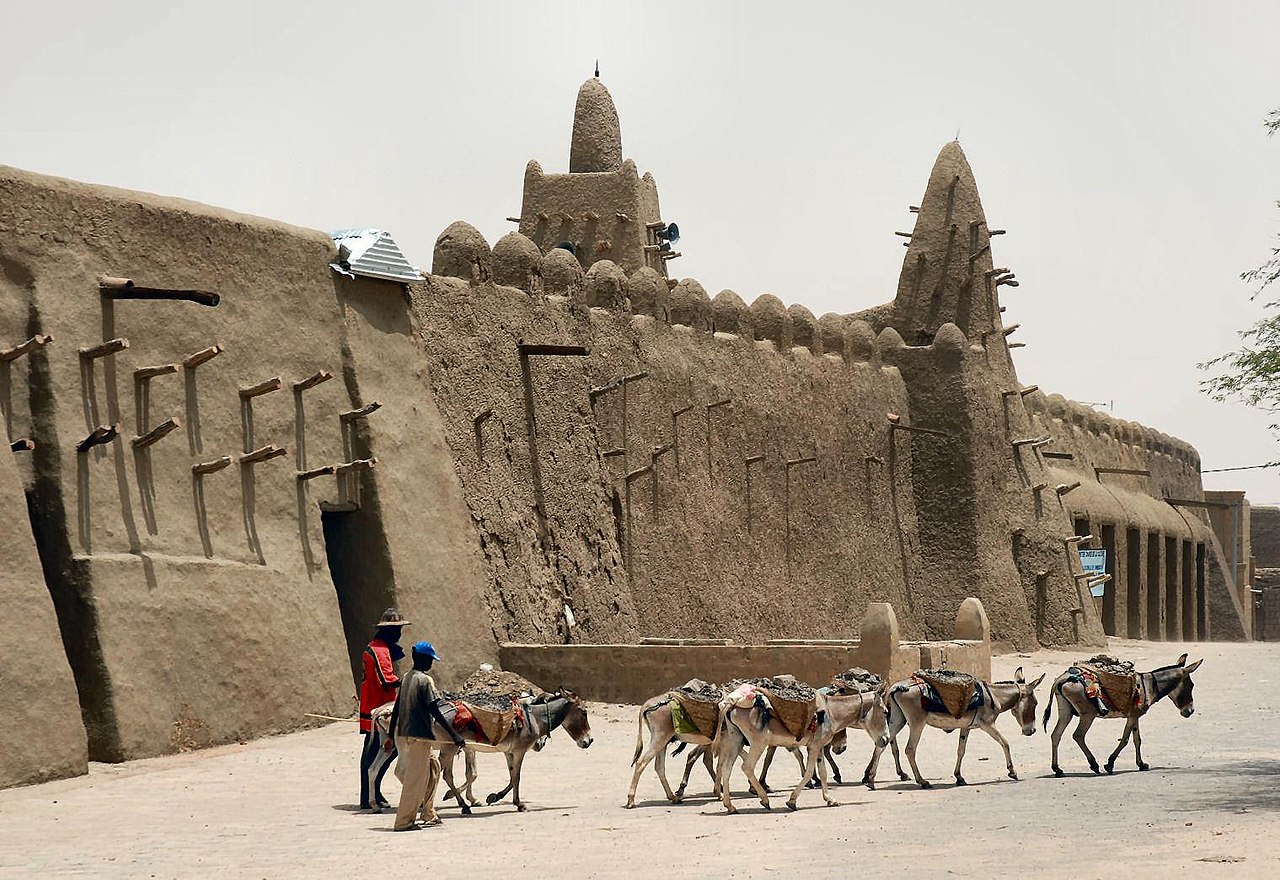
Timbuktu
Geographical Nexus
Timbuktu's enduring legacy is inextricably linked to its unique geographical setting. Situated in the Sahel region of Mali, it occupies a critical position on the southern fringe of the Sahara Desert, approximately 12 miles north of the Niger River. This proximity to the river, a vital artery for transportation and sustenance in the arid landscape, combined with its role as a terminus for trans-Saharan trade routes, transformed it from a nomadic encampment into a pivotal urban center.
The climate is characterized by extreme aridity and high temperatures, with a short, unreliable rainy season. The surrounding environment is a mosaic of sandy plains, dunes, and sparse vegetation, demanding sophisticated adaptation strategies for survival and commerce. Historically, Timbuktu served as a crucial interface between the Berber and Arab traders of North Africa and the diverse ethnic groups of West Africa, facilitating the exchange of goods, ideas, and cultures across a vast and challenging terrain.
Its location at this crossroads dictated its economic fortunes and its cultural development.
From Nomadic Camp to Imperial Jewel
The origins of Timbuktu trace back to the 11th century as a seasonal settlement for Tuareg nomads, strategically positioned near the Niger River and on the edge of the Sahara. Its potential as a trading post was quickly recognized, and by the 14th century, it had risen to prominence within the Mali Empire. Under rulers like Mansa Musa, Timbuktu experienced its zenith, becoming a legendary city of wealth and learning.
It was a primary hub for the lucrative trans-Saharan trade, controlling the flow of gold from West Africa, salt from the Sahara, and slaves. Beyond its economic might, Timbuktu became one of the most important centers of Islamic scholarship in the world. Its universities, such as the Sankore Madrasah, attracted thousands of students and renowned scholars, fostering a vibrant intellectual environment that produced a vast corpus of Arabic literature.
The city's influence extended through the Songhai Empire and later faced periods of decline and resurgence under various rulers, including Moroccan invasion and French colonial rule, each leaving its mark on the city's complex historical trajectory.
Architectural Heritage and Cultural Synthesis
Timbuktu's built environment is a striking testament to its history and environment. The iconic Sudano-Sahelian architectural style, characterized by its use of mud brick (banco) and timber, is exemplified in its three great mosques: Djinguereber, Sankore, and Mopti. These structures, recognized as UNESCO World Heritage sites, are not merely religious buildings but also repositories of knowledge and cultural identity, with the Sankore mosque historically serving as a major center of learning.
The city's cultural fabric is a rich tapestry woven from the traditions of the Tuareg, Songhai, Fulani, and Arab peoples. While Tamasheq and Bambara are the most widely spoken languages, Arabic remains significant due to its historical role in religious and scholarly pursuits. Timbuktu's cultural legacy is perhaps most profoundly represented by its extraordinary collection of ancient manuscripts, estimated to number over 700,000.
These documents, painstakingly preserved by local families and institutions, cover a vast array of subjects, offering invaluable insights into medieval African and Islamic intellectual history, science, and society. The ongoing efforts to protect and digitize these manuscripts are crucial for global heritage.
Economic Dynamics
Historically, Timbuktu's economy was synonymous with trans-Saharan trade. The city acted as a critical entrepôt, facilitating the exchange of commodities that fueled empires and connected distant markets. Gold, salt, ivory, and enslaved people were the primary goods, generating immense wealth and establishing Timbuktu's reputation as a city of riches. The intellectual output of its scholars also constituted a form of economic capital, enhancing its prestige and influence.
In the modern era, Timbuktu's economic base has diversified, though it faces significant challenges. While traditional trade continues on a smaller scale, fishing in the Niger River and subsistence agriculture are important for local livelihoods. Tourism, drawn by its historical significance and unique architecture, offers potential but is often hampered by regional instability. The preservation of its cultural heritage, particularly the ancient manuscripts, is increasingly recognized as a vital economic asset, driving conservation efforts and potentially fostering cultural tourism and research.
The Enduring Legacy of Timbuktu's Intellectual Tradition
Timbuktu's most profound and lasting contribution to world history lies in its role as a preeminent center of Islamic scholarship and education. For centuries, it was a beacon of intellectual activity, rivaling centers like Cairo, Baghdad, and Cordoba. The Sankore Madrasah, in particular, was a sophisticated institution that offered a comprehensive curriculum, attracting scholars and students from across Africa and the Middle East.
The sheer volume and diversity of the manuscripts produced and collected in Timbuktu are astounding. These texts represent a significant body of knowledge in fields such as astronomy, mathematics, medicine, law, theology, and history, offering a unique perspective on intellectual developments in Africa during the medieval period. The preservation and study of these manuscripts are not merely academic pursuits; they are essential for understanding the richness and complexity of African intellectual heritage and its contribution to global knowledge.
Timbuktu stands as a powerful symbol of the intellectual dynamism that can flourish even in remote and challenging environments.
Go deeper
Based on content from Wikipedia · Licensed under CC BY-SA 4.0