

Niger River
Images
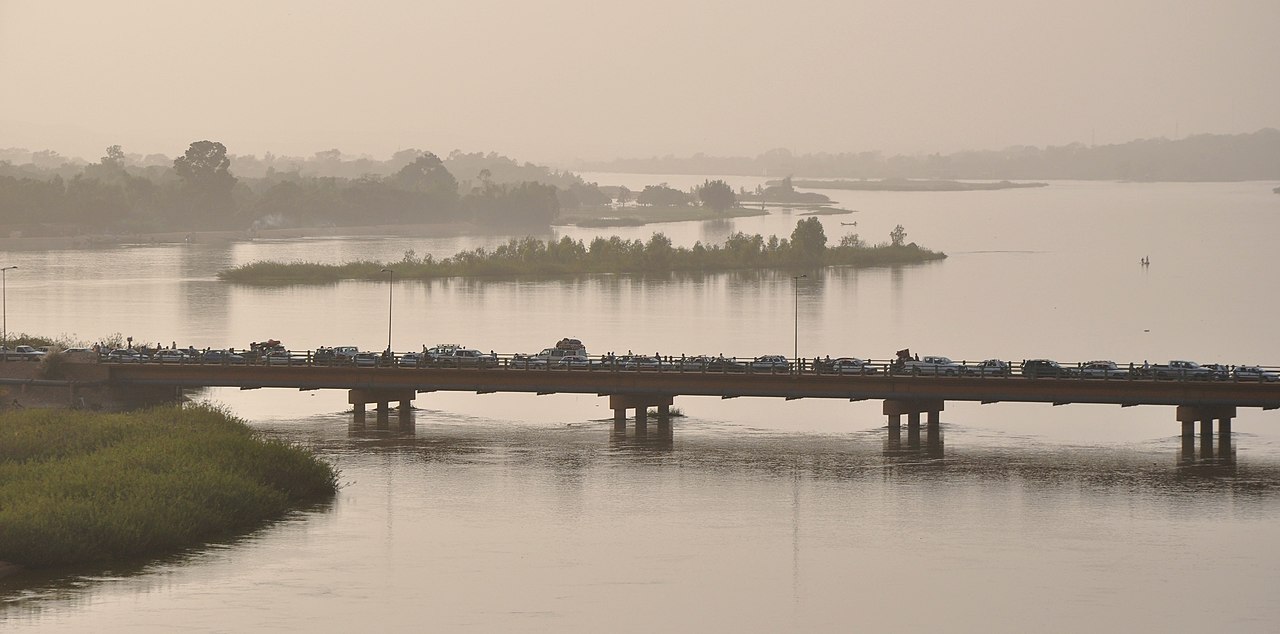
Niger River
The Arc of Life
The Niger River, with its remarkable 4,180-kilometer length, is the principal river of West Africa and the continent's third-longest. Its unique arcuate path, originating in the Guinea Highlands and curving northeastward into the Sahara before turning south to the Atlantic, is a testament to complex geological history and climatic influences. This distinctive shape dictates its hydrological regime, channeling water away from the arid Sahel and into the more humid southern regions.
The vast 2,117,700 km² drainage basin encompasses diverse ecosystems, from savannas to floodplains, influencing regional climate patterns and water availability. Its flow is characterized by seasonal variations, with the Niger Inland Delta in Mali acting as a crucial inland floodplain that supports unique biodiversity and agriculture, despite its proximity to desertification.
Sustaining Societies
For millennia, the Niger River has been the cornerstone of civilization in West Africa. Its fertile floodplains, enriched by annual silt deposition, have supported intensive agriculture, particularly rice cultivation, making it a critical factor in regional food security. The river serves as an indispensable transportation corridor, facilitating trade and cultural exchange between inland communities and coastal areas.
Traditional fishing practices remain a vital source of protein and income for many riparian populations. The Niger Delta, a sprawling wetland ecosystem, is not only ecologically rich but also a hub for oil and gas extraction, presenting both economic opportunities and significant environmental challenges. The river's cultural significance is embedded in the history and traditions of numerous ethnic groups who have long depended on its bounty.
Challenges and Conservation
Despite its immense importance, the Niger River faces numerous challenges. Climate change is exacerbating drought conditions in the Sahel, impacting river flow and increasing desertification. Deforestation and unsustainable land management practices upstream contribute to soil erosion, leading to increased sedimentation in the river, which can affect navigation and agricultural productivity. Pollution from agricultural runoff, industrial discharge, and untreated sewage poses a threat to water quality and aquatic ecosystems.
International cooperation is essential for managing this transboundary river effectively. Initiatives focused on sustainable water resource management, conservation of the Niger Inland Delta's unique environment, and mitigating pollution are crucial for ensuring the river's long-term health and its continued role as a vital artery for West Africa.
Geopolitical Currents
The Niger River flows through or borders multiple nations, making its management a complex geopolitical issue. The Niger Basin Authority (NBA) is an intergovernmental organization established to promote cooperation among the riparian states for the sustainable development and management of the river basin's resources. Balancing the water needs of agriculture, industry, and domestic consumption across these nations, while also considering ecological integrity, requires ongoing diplomatic efforts and shared commitment.
The river's strategic importance extends beyond water resources, influencing regional stability and economic development. Understanding the Niger River is key to understanding the intricate web of relationships and challenges within West Africa.
Go deeper
Based on content from Wikipedia · Licensed under CC BY-SA 4.0