

The Tidal Basin: A Watery Wonder!
Images

Toni Frissell: fashion model near tidal basin, Washington, D.C., ca. 1946




![Washington Monument in scaffolding at night, viewed from the southwest, across the Tidal Basin [04]](https://live.staticflickr.com/3383/13091049874_0efa1156a4_n.jpg)

Geomorphology and Urban Planning
The Tidal Basin represents a significant achievement in early 20th-century urban planning and hydraulic engineering. Conceived as a means to improve water circulation between the Potomac River and the Washington Channel, its creation involved extensive land reclamation and the construction of a substantial artificial reservoir. This project transformed a marshy, underdeveloped area into a defining feature of the capital's landscape.
Situated within West Potomac Park, its design strategically integrates natural water features with monumental architecture. The basin's orientation and design are intrinsically linked to its role as a visual anchor for prominent national memorials, including the Jefferson Memorial, the Martin Luther King Jr. Memorial, and the Franklin Delano Roosevelt Memorial, all of which are sited to command views across its waters, underscoring its importance as a deliberate element of the city's civic design.
A Chronicle of Transformation
The history of the Tidal Basin is a narrative of deliberate environmental modification for civic and aesthetic purposes. Its construction was a complex undertaking that reshaped the shoreline of Washington, D.C. Over time, the basin has evolved from a functional water management system into a deeply symbolic space.
It has served as a backdrop for numerous national events and commemorations, witnessing pivotal moments in American history. The careful landscaping, particularly the introduction of cherry trees, has further cemented its status as an iconic American landmark, blending engineered utility with natural beauty and historical resonance.
The Cultural Resonance of Cherry Blossoms and Commemoration
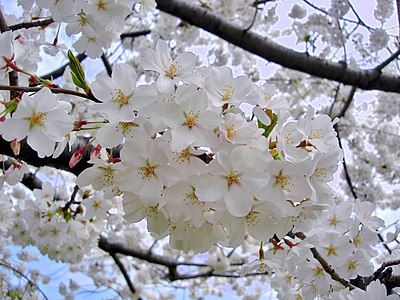
The Tidal Basin's cultural significance is most vividly expressed through the annual National Cherry Blossom Festival. The thousands of Japanese cherry trees, a gift symbolizing enduring friendship, transform the basin into a breathtaking spectacle of ephemeral beauty. This event attracts millions, fostering international goodwill and celebrating the arrival of spring.
Beyond the festival, the basin serves as a contemplative space, surrounded by memorials that honor key figures and movements in American history. The juxtaposition of vibrant natural beauty with solemn monuments creates a unique environment for reflection on national identity, history, and the ongoing dialogue between nature and human endeavor.
Ecological Function and Public Engagement
While celebrated for its aesthetic and cultural contributions, the Tidal Basin also possesses ecological functions. As a reservoir connected to tidal waters, it plays a role in water quality management, although it has also faced challenges related to sedimentation and water circulation. Efforts have been made to improve its ecological health and maintain its usability.
The basin is a highly accessible public space, encouraging diverse forms of recreation, from paddle boating to leisurely strolls. This constant public engagement reinforces its role not just as a monument but as a living, breathing part of the urban environment, fostering a connection between citizens and their capital city.
Governance and Preservation
The management and preservation of the Tidal Basin fall under the purview of federal agencies, primarily the National Park Service, which oversees its maintenance and programming. This stewardship ensures that the basin and its surrounding memorials remain accessible and well-preserved for future generations. Ongoing projects often focus on infrastructure improvements, ecological restoration, and enhancing the visitor experience.
The governance structure reflects the basin's status as a national treasure, balancing its historical significance, ecological considerations, and its role as a vibrant public space within the nation's capital.
See also
Frequently Asked Questions
What is the Tidal Basin?+
Why do cherry trees grow around the Tidal Basin?+
How does the Tidal Basin help the city?+
Where can you see famous memorials near the Tidal Basin?+
When is the National Cherry Blossom Festival?+
Based on content from Wikipedia · Licensed under CC BY-SA 4.0