

Theater District, Manhattan
Images

Theater District Manhattan Mar 2022 02


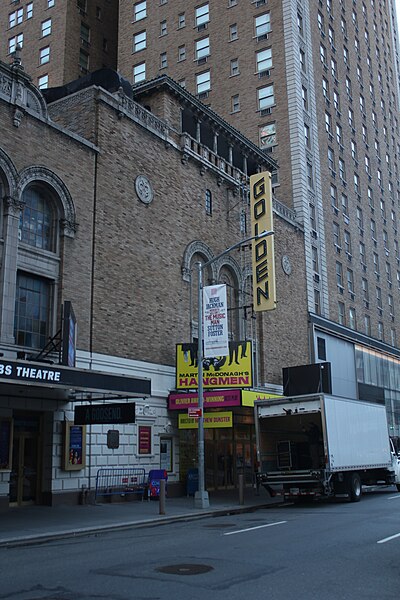


The Genesis and Evolution of a Theatrical Metropolis
Manhattan's Theater District, officially designated as the 'Theater Subdistrict', is far more than just a collection of buildings; it's a dynamic ecosystem dedicated to the performing arts. Its development as the heart of American theater is a story of urban growth and artistic convergence. While theaters existed in New York City earlier, a significant migration of playhouses to the Midtown area, particularly around Times Square, began in the early 20th century.
This concentration was driven by factors like accessible transportation and the desire for larger, more modern venues. The area's evolution saw it transform from a general commercial district into a specialized zone, attracting not only theaters but also the supporting industries crucial for their operation, solidifying its identity as the premier destination for live entertainment in the United States.
The 'Great White Way'
The iconic stretch of Broadway that cuts through the Theater District is famously known as the 'Great White Way'. This moniker emerged in the early 20th century, a testament to the dazzling proliferation of electric lights that illuminated the streetscape. These lights weren't merely decorative; they symbolized the district's vibrant energy, its status as a beacon of entertainment, and its round-the-clock allure.
The 'Great White Way' became synonymous with the grandeur and spectacle of Broadway productions, drawing audiences from across the globe. Today, the term evokes a powerful image of theatrical magic, a place where dreams are staged and celebrated under a canopy of brilliant lights, representing a significant cultural landmark in New York City.
A Multifaceted Hub
While the Broadway theaters are the undeniable stars of the district, its identity extends far beyond the stage. The Theater District is a complex urban environment that houses a rich tapestry of entertainment-related businesses and cultural institutions. It's home to numerous movie theaters, offering a diverse cinematic experience.
Crucially, it also hosts essential infrastructure for the performing arts, including recording studios where music for shows is produced, offices for theatrical agencies that manage actors and creatives, and television studios that broadcast performances and related content. This dense concentration of artistic and commercial enterprises creates a unique synergy, fostering an environment where creativity thrives and entertainment is produced on multiple fronts, making it a vital economic engine for the city.
The Enduring Significance of the Theater District
The Theater District's cultural significance is profound and multifaceted. It serves as the preeminent showcase for American musical theater and dramatic arts, setting national and international standards for quality and innovation. The district is a major economic driver for New York City, generating substantial revenue through ticket sales, tourism, and employment in the arts and hospitality sectors.
Furthermore, it acts as a powerful cultural ambassador, drawing millions of visitors annually and contributing significantly to New York's global image as a vibrant cultural capital. The stories told on its stages reflect and shape societal conversations, offering commentary, escapism, and shared human experiences that resonate deeply with audiences, cementing its role as a vital cultural institution.
See also
Frequently Asked Questions
What is the Theater District in Manhattan?+
Why is the Broadway street in the Theater District called the "Great White Way"?+
Where do people go to watch movies in the Theater District?+
When did most theaters move to the Theater District?+
Are there other businesses besides theaters in the Theater District?+
Based on content from Wikipedia · Licensed under CC BY-SA 4.0