

The Bahamas
Images
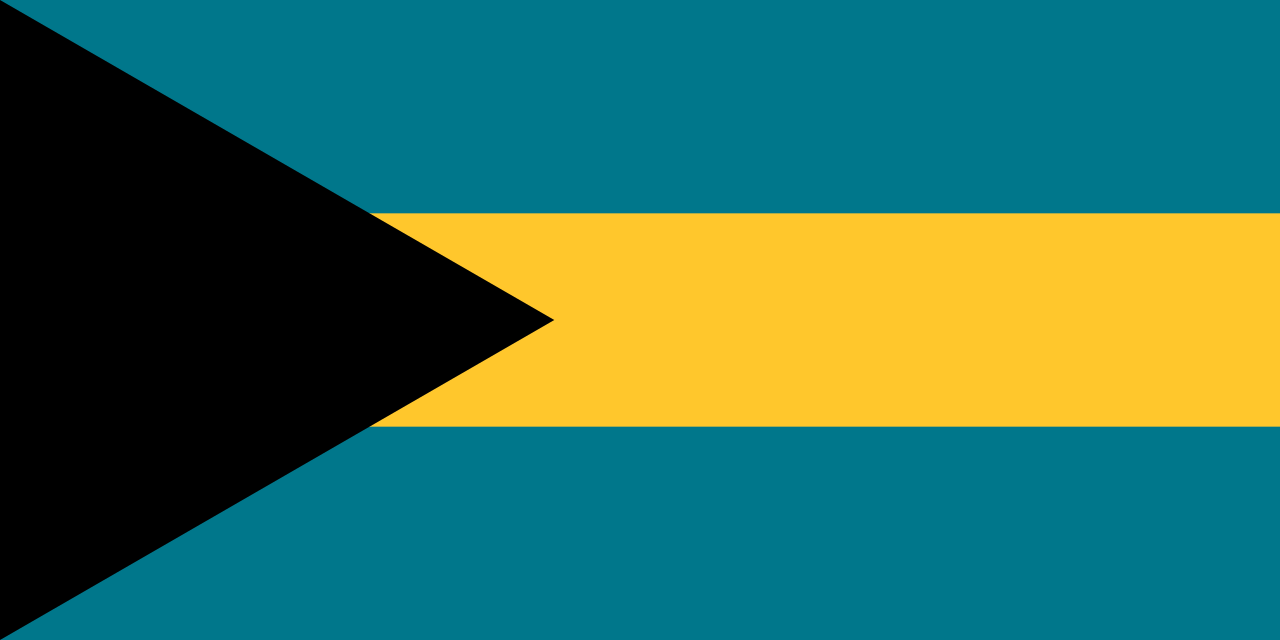
The Bahamas
Opens Google Maps in new tab
Geographical Mosaic
The Commonwealth of the Bahamas is an island nation strategically positioned within the Lucayan Archipelago in the western Atlantic Ocean. Its territory is not a contiguous landmass but an expansive collection of over 3,000 islands, cays, and islets, stretching over a significant oceanic area of 470,000 km². This unique geography means that 97% of the archipelago's land area and 88% of its population are concentrated within the Bahamas.
The capital, Nassau, is situated on New Providence Island, a hub of activity. The islands are characterized by low elevation, sandy soil, and a tropical maritime climate, featuring warm temperatures year-round with distinct wet and dry seasons. This environment fosters rich marine biodiversity and stunning coral reefs, making the surrounding waters a critical component of the nation's identity and economy.
The proximity to Florida and Cuba also plays a significant role in its geopolitical context.
From Indigenous Roots to Colonial Crossroads
The earliest known inhabitants of the Bahamas were the Lucayans, an Arawak-speaking Taíno people, who thrived for centuries. The islands gained historical prominence in 1492 when Christopher Columbus made his inaugural landfall in the Americas on San Salvador Island. The subsequent Spanish colonial period was marked by the forced removal and enslavement of the Lucayan population, leading to the islands' depopulation.
English settlement began in 1648 with the Eleutheran Adventurers, establishing a presence that would eventually lead to British control. The Bahamas became a Crown Colony in 1718, partly to suppress rampant piracy. Following the American Revolutionary War, thousands of American Loyalists were resettled, bringing with them enslaved Africans, which fundamentally altered the demographic landscape.
The abolition of the slave trade in 1807 and slavery itself in 1834 were pivotal moments, alongside the Bahamas serving as a refuge for Africans liberated from illegal slave ships and those escaping from Florida.
Sovereignty, Society, and Cultural Resilience
The Bahamas achieved full independence from the United Kingdom on July 10, 1973, becoming a Commonwealth realm with King Charles III as monarch, represented by a Governor-General. The population today is predominantly of African descent, making up approximately 90% of the 400,516 inhabitants. English is the official language, but a distinct Bahamian dialect, known as Bahamian Creole, is widely spoken.
Bahamian culture is a vibrant synthesis of African, British, and Caribbean traditions, most famously expressed through Junkanoo, a spectacular festival of music, dance, and elaborate costumes. The nation's social fabric is woven from a history of resilience, adaptation, and a strong sense of community. Despite its geographical location, it is culturally and politically integrated into the wider Caribbean region, participating actively in organizations like CARICOM.
Economic Drivers
The Bahamian economy is heavily reliant on two primary sectors: tourism and offshore financial services. The nation's stunning natural beauty, including pristine beaches, crystal-clear waters, and vibrant coral reefs, attracts millions of international tourists annually. This influx fuels a substantial hospitality industry, encompassing hotels, resorts, restaurants, and recreational activities, making tourism the largest contributor to the GDP and employment.
Complementing this is a robust offshore financial sector, which provides banking, investment, and insurance services to international clients. This dual economic strategy has positioned the Bahamas as having one of the highest per capita incomes in the Americas. However, this reliance also makes the economy vulnerable to global economic downturns and environmental challenges.
Governance and Modern Challenges
The Bahamas operates as a parliamentary constitutional monarchy, with a bicameral legislature comprising a Senate and a House of Assembly. The Governor-General represents the monarch, while the Prime Minister leads the government. The country is a member of the United Nations and the Commonwealth of Nations.
While economically prosperous relative to many Caribbean nations, the Bahamas faces ongoing challenges. These include environmental sustainability, particularly concerning climate change and hurricane resilience, managing its significant tourism-dependent economy, and addressing issues related to crime and social development. Its strategic location also presents challenges and opportunities in international relations and trade.
Go deeper
Based on content from Wikipedia · Licensed under CC BY-SA 4.0