

Florida
Images
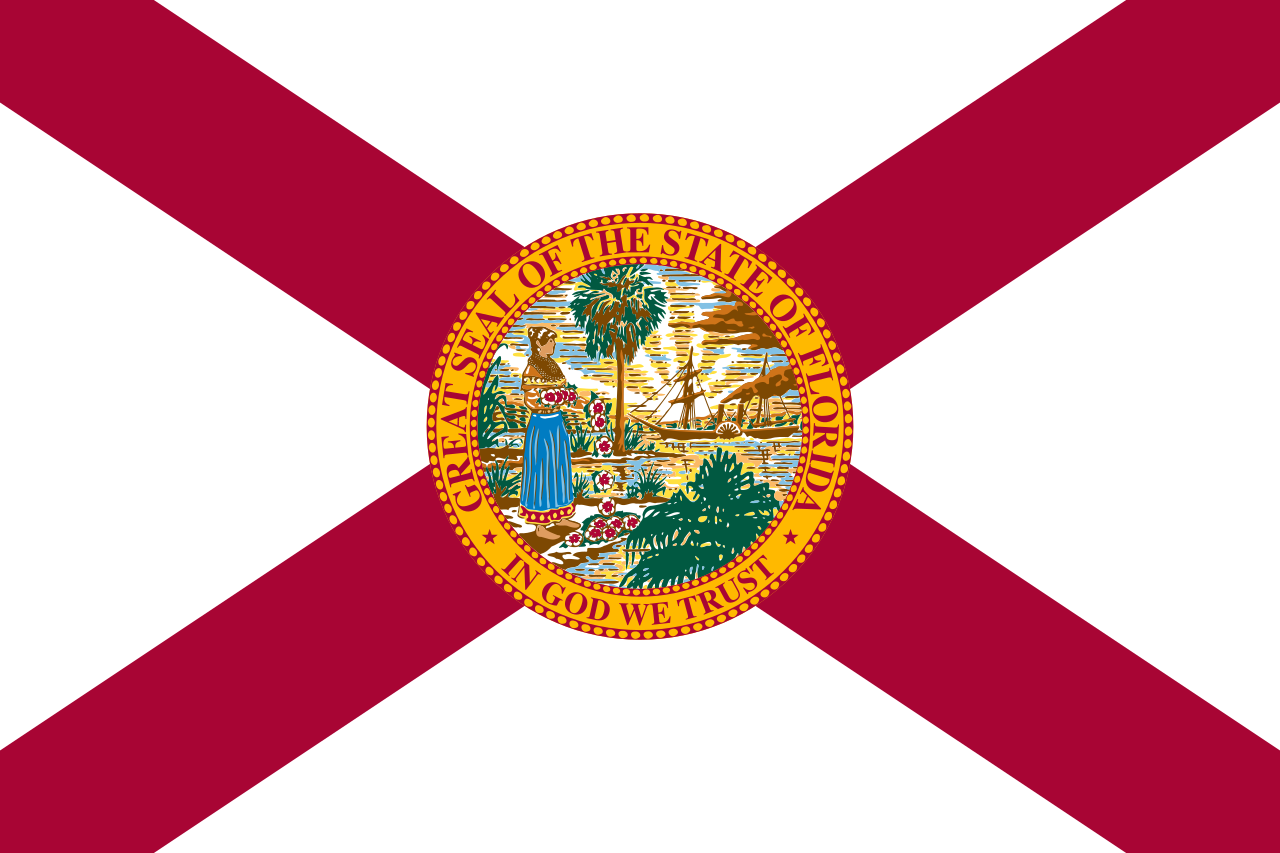
Florida
A Peninsula of Strategic Significance and Natural Wonders
Florida's geography is its defining characteristic. Occupying a vast peninsula between the Gulf of Mexico and the Atlantic Ocean, it boasts the longest coastline in the contiguous United States, stretching approximately 1,350 miles. This unique position makes it the only state to border both major bodies of water.
Its climate varies from subtropical in the north to tropical in the south, a rarity among continental U.S. states, making it a haven for unique ecosystems like the Everglades National Park. This vast tropical wilderness, the largest in the U.S., is a critical habitat for iconic species such as the American alligator, American crocodile, and the endangered Florida panther. Furthermore, Florida is home to the Florida Reef, the only living coral barrier reef in the continental U.S. and the third-largest globally, highlighting its ecological importance.
Echoes of History
Florida's human history is deep and complex, stretching back at least 14,000 years with various Native American groups. European exploration began in 1513 with Juan Ponce de León, who named it 'La Florida' for its abundant flowers. Spain established St. Augustine in 1565, the oldest continuously inhabited European settlement in the continental U.S., marking the beginning of a long colonial period.
The region changed hands between Spain and Great Britain before being ceded to the United States in 1821. Florida officially became the 27th state on March 3, 1845, after enduring the protracted Seminole Wars. Its secession in 1861 and subsequent readmission after the Civil War further shaped its identity as a state with a distinct historical trajectory.
The Engine of Florida
Since the mid-20th century, Florida has experienced explosive demographic and economic growth. Its Gross State Product (GSP) ranks fourth nationally and fifteenth globally, underscoring its economic might. Key sectors driving this prosperity include tourism, hospitality, agriculture, real estate, and transportation.
The state is a global magnet for tourism, drawing tens of millions annually to world-renowned attractions like Walt Disney World and the Kennedy Space Center. This influx of visitors, coupled with its appeal to retirees and migrants, fuels a vibrant economy. Florida's economic success is intrinsically linked to its natural beauty, climate, and accessibility.
A Cultural Mosaic Forged by Migration and Inspiration
Florida's identity is a rich tapestry woven from centuries of migration and cultural exchange. Its proximity to the ocean and its history as a gateway have attracted diverse populations, resulting in significant African, European, Indigenous, Latino, and Asian influences. This cultural fusion is evident in its cuisine, music, and traditions.
The state has also served as a muse for prominent American writers like Ernest Hemingway and Tennessee Williams, drawn by its unique landscapes and atmosphere. Today, Florida continues to attract celebrities and athletes, particularly in high-profile sports like golf, tennis, auto racing, and water sports, solidifying its status as a dynamic cultural hub.
Go deeper
Frequently Asked Questions
What shape does Florida look like?+
Why does Florida have the longest coast in the United States?+
What animals can you find in the Everglades?+
When did Florida become the 27th state?+
Why do so many people visit Florida every year?+
Based on content from Wikipedia · Licensed under CC BY-SA 4.0