

Sumbawa
Images
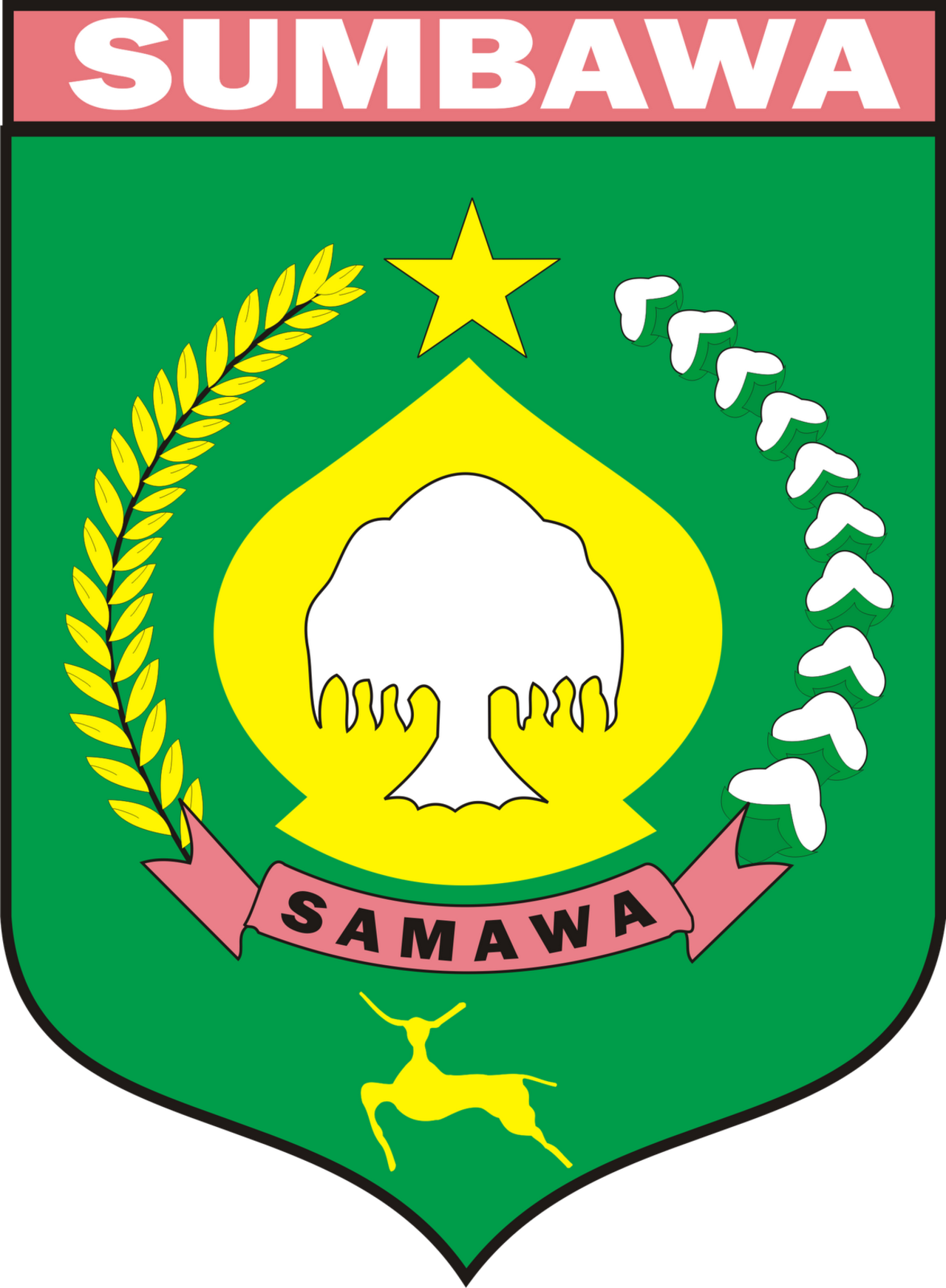
Lambang Kabupaten Sumbawa


Geographical Crossroads
Sumbawa is a significant island within the Indonesian archipelago, strategically positioned in the Lesser Sunda Islands chain, acting as a geographical and cultural bridge between the western and eastern parts of the region. Its location between Lombok and Flores places it within a dynamic geological and ecological zone. The island's climate is predominantly savanna-like, characterized by extensive grasslands and a distinct dry season, which dictates much of its flora and fauna.
This environment is not merely a backdrop but a fundamental element shaping the island's identity, economy, and human settlement patterns. With an area of 15,448 square kilometers, Sumbawa is considerably larger than Lombok, allowing for a diverse range of ecosystems, from coastal areas to volcanic highlands. This geographical distinctiveness has historically influenced its role in trade and cultural exchange, making it a unique entity within Indonesia.
A Tapestry of Time
Historically, Sumbawa is renowned as a primary source of valuable commodities such as sappanwood, honey, and sandalwood. These resources fueled trade networks, connecting the island to distant markets and contributing to its historical significance. The island also serves as a crucial marker for cultural diffusion.
To its west, islands like Java and Bali show a strong influence from Indian religions and cultural practices, whereas Sumbawa represents a transition zone where these influences were less pronounced. This historical demarcation is evident in the island's cultural and religious landscape. Furthermore, the very name 'Sumbawa' highlights a historical and cultural division; while outsiders refer to the entire island by this name, the inhabitants of the eastern half identify it as 'Bima,' reflecting distinct cultural and linguistic identities that have evolved over centuries, shaped by geography and historical interactions.
Cultural Duality and Human Landscape
The human population of Sumbawa, exceeding 1.6 million, is distributed across a landscape deeply intertwined with its natural environment. The island's savanna and grasslands are not only scenic but are vital for its economy, supporting extensive horse and cattle breeding operations, as well as traditional deer hunting. This strong connection to livestock and the land is a defining characteristic of Sumbawan culture.
A key aspect of Sumbawa's cultural identity is its internal division. The western half, encompassing Sumbawa and West Sumbawa Regencies, is often contrasted with the eastern half, comprising Bima and Dompu Regencies, referred to collectively as Bima. This division is rooted in differences in language, customs, and historical development, creating a unique duality within the island.
The official language is Indonesian, but local languages like Bima and Sumbawa are widely spoken, preserving distinct cultural heritage.
Economic Pillars
Sumbawa's economy is fundamentally shaped by its natural endowments. Historically, the island's fame as a source of sappanwood, a timber prized for its red dye and durability, positioned it as an important trading hub. While the significance of sappanwood has waned, the island's vast grasslands continue to be a cornerstone of its economy, supporting a robust livestock industry, particularly horse and cattle ranching.
These animals are not only raised for meat and dairy but also play a role in local traditions and transportation. The production of honey and sandalwood further contributes to the island's economic diversity. The economic activities are intrinsically linked to the island's environment, making sustainable resource management a critical factor for long-term prosperity and the well-being of its inhabitants.
Governance and Educational Frameworks
Sumbawa is administratively part of the West Nusa Tenggara province. However, the island's distinct identity has led to discussions and proposals for its separation into its own province, underscoring its unique socio-political landscape. The governance structure aims to manage the island's resources, provide public services, and foster development.
Education is a critical component of this framework, with schools playing a vital role in equipping the population with knowledge and skills. The curriculum typically includes national standards alongside local content, ensuring that students are both globally aware and locally grounded. This educational system is crucial for empowering the next generation to address the challenges and opportunities related to Sumbawa's environment, culture, and economy, fostering sustainable development and preserving its unique heritage.
Go deeper
Frequently Asked Questions
What does Sumbawa look like?+
Why was Sumbawa famous for trade?+
Where is Sumbawa located?+
How do people on Sumbawa make a living?+
Why do people call the eastern part of Sumbawa "Bima"?+
Based on content from Wikipedia · Licensed under CC BY-SA 4.0