

Lesser Sunda Islands: Islands of Wonder!
Images
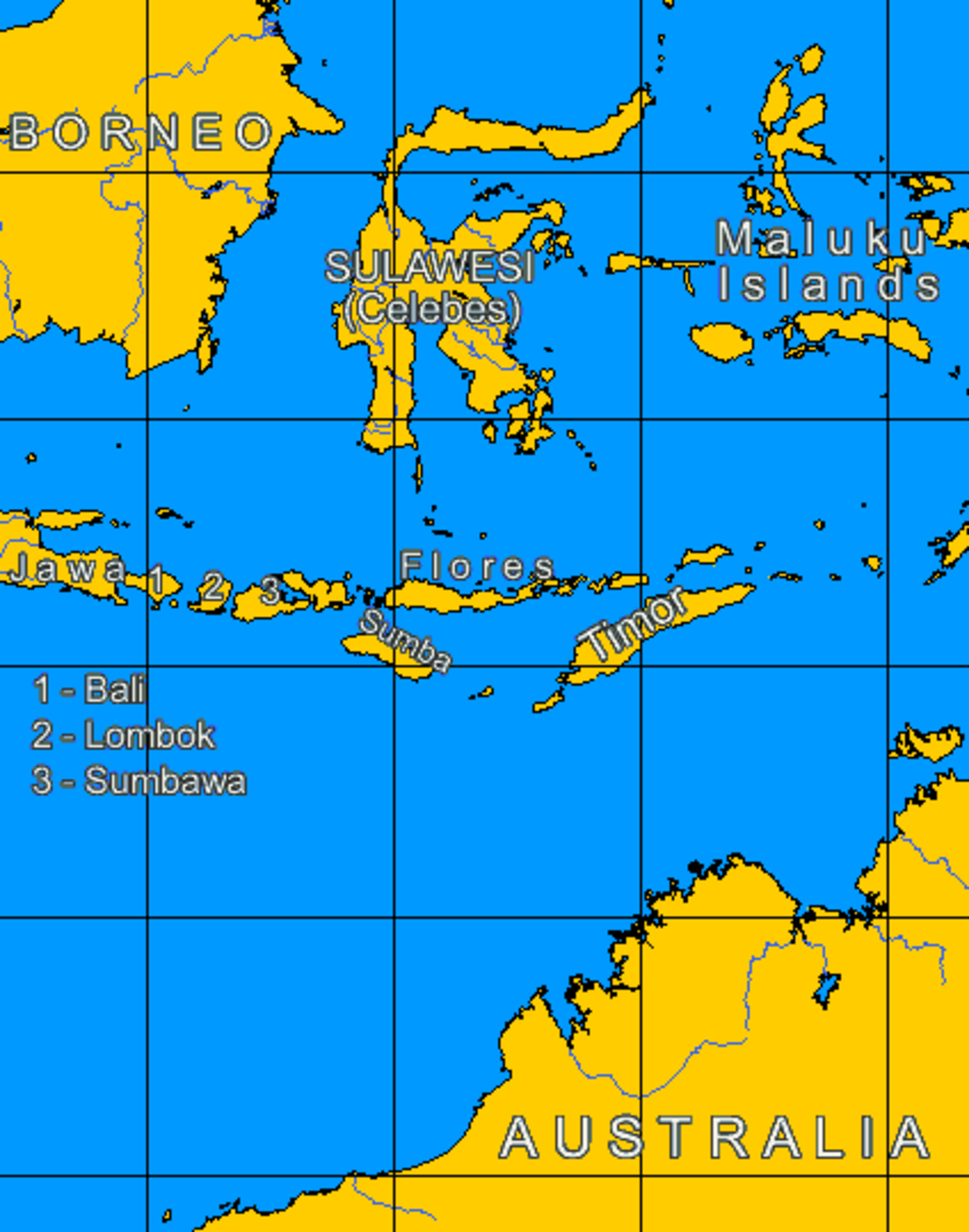
Lesser Sunda Islands
Geological Dynamics and Ecological Niches
The Lesser Sunda Islands represent a classic example of an island arc system, situated along the Sunda Plate's subduction zone with the Indo-Australian Plate. This intense geological activity fuels a landscape dominated by active and dormant volcanoes, creating fertile soils but also posing significant natural hazards. The islands' topography ranges from rugged volcanic peaks and caldera lakes to coastal plains and extensive coral reef systems.
This varied terrain, coupled with a tropical monsoon climate featuring distinct wet and dry seasons, supports a remarkable spectrum of ecosystems. These range from montane cloud forests and dry deciduous forests to savannas and marine environments. This ecological diversity has fostered high levels of endemism, making the archipelago a critical area for conservation.
The islands are divided into two distinct geological provinces: the Sunda Islands to the west, which are older and more influenced by continental landmasses, and the Banda Arc to the east, characterized by younger, more volcanically active islands. This geological duality profoundly influences the distribution of flora and fauna.
Historical Trajectories
The human settlement of the Lesser Sunda Islands is a story of ancient migrations and the subsequent development of complex societies. Early inhabitants arrived via maritime routes, establishing distinct cultural groups. From the 14th century onwards, the islands became nodes in regional trade networks, attracting merchants from India, China, and the Islamic world, who introduced new technologies and religious influences, including Islam and Hinduism.
European colonial powers, notably the Portuguese and later the Dutch, arrived in the 16th century, seeking control over lucrative spice trade routes. The islands were gradually incorporated into the Dutch East Indies colonial administration. Following Indonesia's declaration of independence in 1945, the Lesser Sunda Islands became integral parts of the new republic, organized into provinces such as West Nusa Tenggara and East Nusa Tenggara.
The legacy of these historical interactions is evident in the diverse languages, religious practices, social structures, and material culture found across the islands today.
Biodiversity Hotspots and Cultural Mosaic
The Lesser Sunda Islands are globally renowned for their unique biodiversity, most famously as the exclusive natural habitat of the Komodo dragon (Varanus komodoensis). These apex predators, adapted to the arid and savanna-like environments of islands like Komodo, Rinca, and Flores, are a testament to evolutionary isolation. Beyond the dragons, the archipelago supports a wealth of other endemic species, including numerous bird species, reptiles, and a rich marine life in its surrounding waters.
Culturally, the region is a vibrant mosaic. Numerous distinct ethnic groups, each with their own languages, traditions, and social organizations, inhabit the islands. Traditional arts, such as intricate ikat weaving, elaborate ceremonies, and unique musical forms, are integral to the cultural identity of communities.
Major urban centers like Kupang serve as administrative and economic hubs, where traditional customs coexist and often blend with modern Indonesian national culture and global influences, creating a dynamic and evolving social landscape.
Economic Landscape
The economy of the Lesser Sunda Islands is largely driven by primary sectors, with agriculture playing a dominant role. Subsistence farming and the cultivation of cash crops like coffee, cloves, nutmeg, copra, and various fruits are widespread. Fishing remains a critical livelihood for coastal populations, supporting both local consumption and commercial export. In recent decades, tourism has emerged as a significant growth sector, particularly on islands like Flores, which offers access to Komodo National Park, the Kelimutu volcanic lakes, and rich cultural heritage sites.
This growth presents opportunities for economic development but also challenges related to infrastructure, environmental sustainability, and equitable benefit distribution. Efforts are underway to diversify the economy through small-scale industries and the promotion of local crafts, aiming to create more resilient and inclusive economic pathways for the region's inhabitants.
Governance and Sociopolitical Dynamics
The Lesser Sunda Islands are administered as two of Indonesia's provinces: West Nusa Tenggara (Nusa Tenggara Barat) and East Nusa Tenggara (Nusa Tenggara Timur). These provinces are further divided into regencies and cities. The governance structure follows the Indonesian national system, which is a presidential republic.
The provincial governors and regents are elected officials responsible for implementing national policies and managing regional affairs. Sociopolitically, the region faces challenges common to many archipelagic developing nations, including disparities in development between islands, infrastructure deficits, and the need for effective resource management. The diverse ethnic and linguistic landscape requires careful attention to inter-group relations and the promotion of national unity while respecting local identities.
The central government plays a significant role in development planning and resource allocation, with increasing emphasis on decentralization and community-based development initiatives.
Go deeper
Frequently Asked Questions
What makes the Lesser Sunda Islands special in nature?+
Why are Komodo dragons only found on these islands?+
How do the islands get their volcanoes?+
Where can you find the biggest cities in the Lesser Sunda Islands?+
What cultures live on the Lesser Sunda Islands?+
Based on content from Wikipedia · Licensed under CC BY-SA 4.0