

Taxonomy: The Super Sorter!
Images
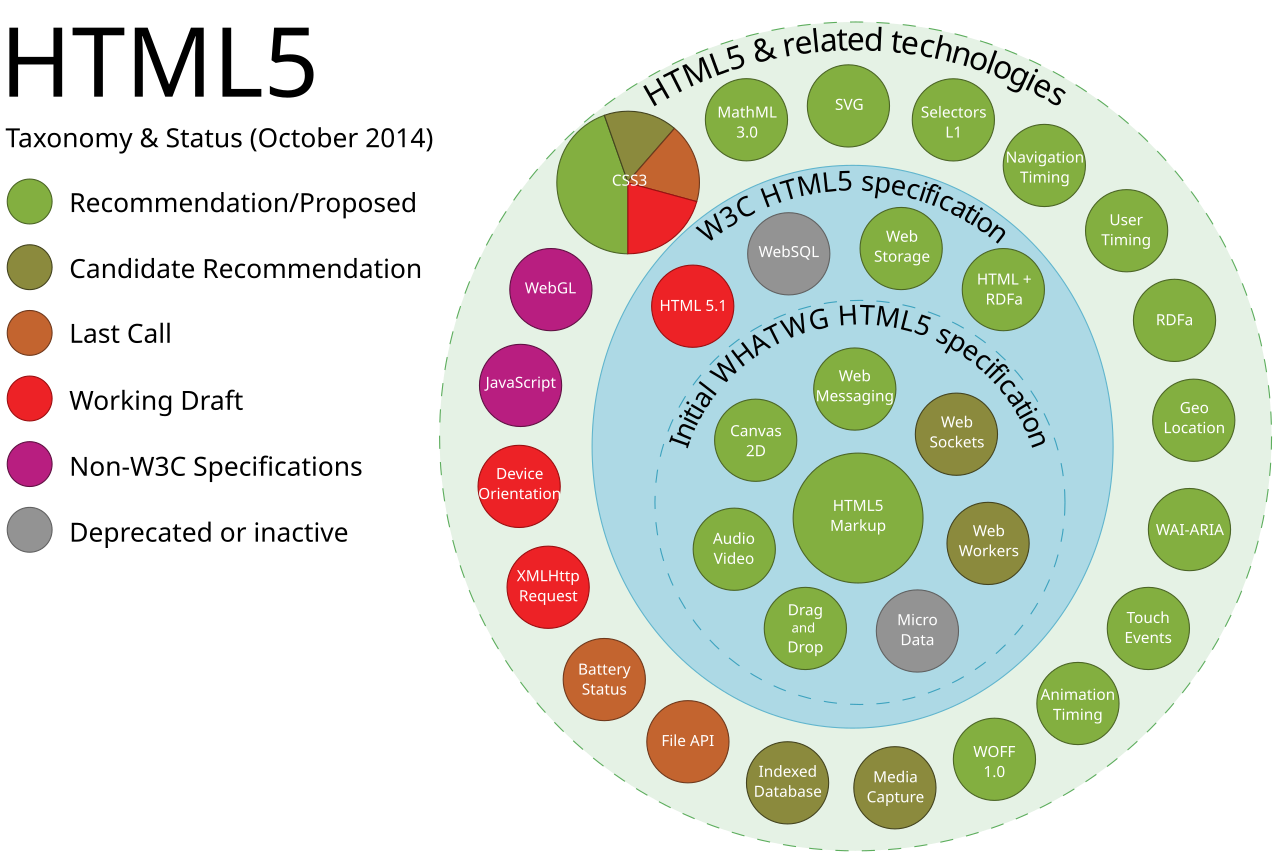
HTML5 APIs and related technologies taxonomy and status


The Foundational Principles of Taxonomic Systems
Taxonomy, in its broadest sense, is the theoretical and practical study of classification. It encompasses the principles underlying the creation of classification schemes, known as taxonomies, and the process of assigning entities to these categories. While historically rooted in the biological sciences for organizing the vast diversity of life, its application has expanded significantly.
The core objective is to impose order on complexity, making information more accessible, understandable, and manageable. This involves identifying shared characteristics, establishing relationships, and creating a structured framework that reflects these connections. Whether dealing with species, documents, or abstract concepts, taxonomy provides a systematic approach to categorization.
Evolution of Taxonomic Thought
The human impulse to classify dates back to antiquity, with thinkers like Aristotle attempting early biological classifications based on observable traits. However, the formalization of taxonomy as a scientific discipline owes much to the work of Carl Linnaeus in the 18th century. His system of binomial nomenclature and hierarchical classification (kingdom, phylum, class, order, family, genus, species) provided a standardized, universal language for biology.
This system, while revolutionary, was largely based on morphology. Modern taxonomy has evolved dramatically, incorporating genetics, molecular data, and evolutionary theory. Phylogenetic taxonomy, for instance, aims to classify organisms based on their evolutionary history and genetic relatedness, offering a more dynamic and accurate representation of life's relationships than earlier systems.
The Indispensable Role of Taxonomy in Science and Society
The significance of taxonomy cannot be overstated. In biology, it is the bedrock upon which all other research is built. Accurate classification is essential for understanding biodiversity, tracking species, identifying new organisms, and studying evolutionary processes.
It underpins fields like ecology, conservation biology, and medicine, where precise identification of pathogens or understanding ecological relationships is critical. Beyond biology, taxonomic principles are vital for information science, library science, and computer science. Search engine algorithms, database structures, and knowledge management systems all rely on sophisticated taxonomies to organize and retrieve information efficiently.
This universal applicability highlights taxonomy's role as a fundamental tool for knowledge organization.
Mechanisms of Classification
Taxonomic systems are typically hierarchical, forming a nested structure of increasing specificity. The fundamental units within a taxonomy are called 'taxa' (singular 'taxon'). In biological taxonomy, these taxa represent groups of organisms at different ranks, such as species, genus, family, order, class, phylum, and kingdom.
Each level is nested within the level above it, creating a branching structure that reflects presumed relationships. For example, all species within a genus share a more recent common ancestor than species within the same family but different genera. This hierarchical organization allows for both broad categorization and detailed analysis, providing a robust framework for classifying complex datasets.
Applied Taxonomy
The practical applications of taxonomy are widespread and constantly evolving. In the digital realm, taxonomies are fundamental to the design of websites, e-commerce platforms, and content management systems. They enable users to navigate vast amounts of data, such as product catalogs or online articles, through structured categories and tags.
Libraries employ standardized classification systems to organize their collections, facilitating research and access. Even in fields like business, taxonomies are used for customer segmentation, product categorization, and market analysis. The ability to create clear, logical, and searchable structures is a testament to the enduring power and adaptability of taxonomic principles in organizing both tangible and intangible information.
Go deeper
Frequently Asked Questions
What is taxonomy?+
Who helped make taxonomy a science?+
How do scientists decide where a new animal belongs?+
Why do we need taxonomy in everyday life?+
What are taxa?+
Based on content from Wikipedia · Licensed under CC BY-SA 4.0