

Sparrow Hawk (pinnace)
Images
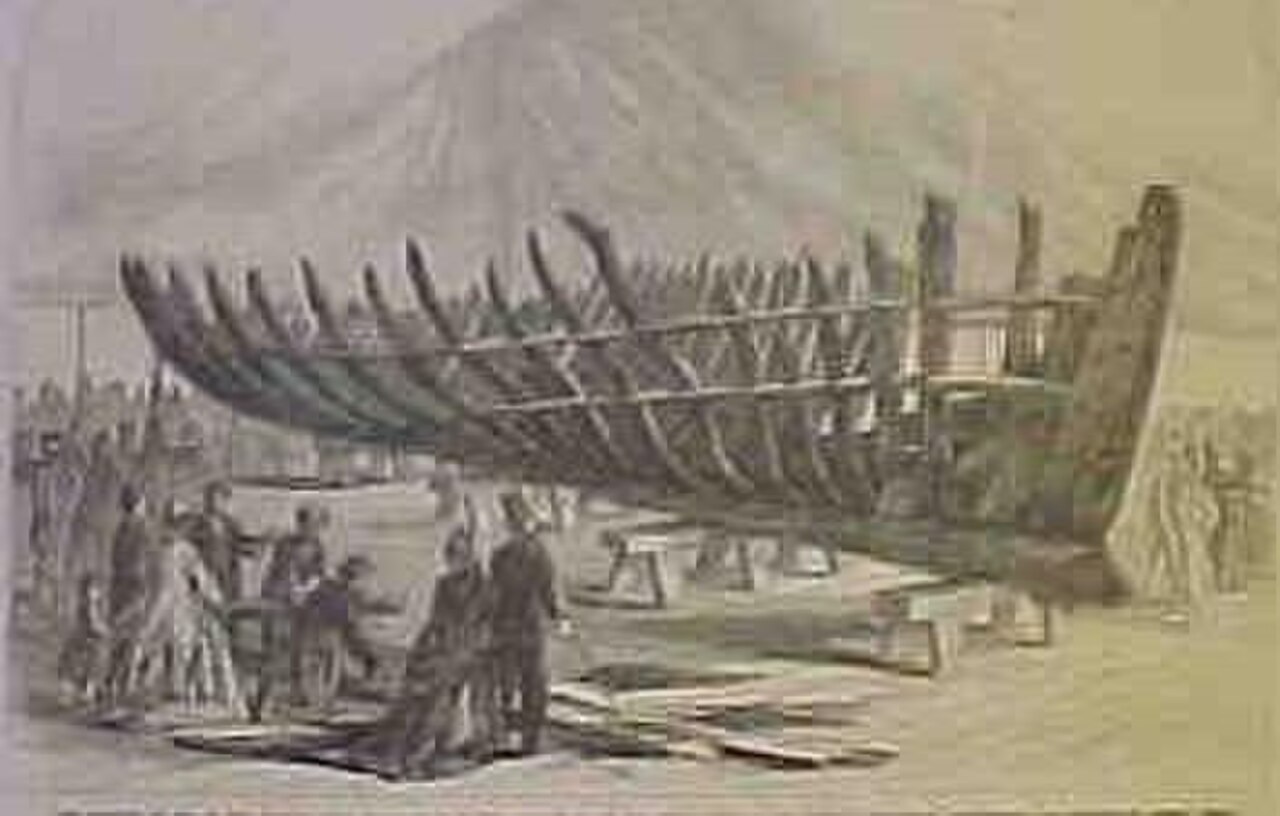
Sparrow Hawk (pinnace)
The Sparrow Hawk
The Sparrow Hawk, a small pinnace, set sail in June 1626, bound for the nascent English colonies in North America. This vessel was not a large warship or a grand merchantman, but a more agile and likely more economical type of sailing craft. Its significance is amplified by its status as the earliest ship associated with the initial decades of English settlement in the New World that has endured to the present day.
While many vessels of this period were lost to the unforgiving Atlantic, disease, or simply dismantled for materials, the Sparrow Hawk's fate was different. It participated in the critical, often perilous, endeavor of establishing a foothold in a new continent. Its survival, though initially through shipwreck, offers a rare, tangible connection to the maritime infrastructure that underpinned these early colonial ventures, providing a stark contrast to the more numerous but now lost ships of its time.
Shipwreck and Submergence
The voyage of the Sparrow Hawk was characterized by its difficulty, lasting approximately six weeks across the vast expanse of the Atlantic. The culmination of this arduous journey was a catastrophic event near Cape Cod, Massachusetts. A severe storm battered the heavily laden pinnace, ultimately driving it ashore and wrecking it on Nauset Beach.
Miraculously, all individuals aboard survived the wreck and were able to reach the relative safety of Plymouth Colony. Following the wreck, the natural forces of the environment took over. The dynamic coastal processes of shifting sands and tidal action rapidly buried the Sparrow Hawk, preserving its remains in a remarkably intact state for centuries.
This accidental entombment, while a testament to the destructive power of maritime weather, inadvertently created a time capsule, protecting the vessel from the decay and disintegration that would likely have occurred if it had remained exposed.
Rediscovery and Reconstruction
For over two centuries, the Sparrow Hawk lay concealed beneath the sands, a forgotten relic of early colonial maritime activity. Its rediscovery occurred in May 1863, when powerful storms eroded the coastline and exposed the ship's hull. The condition of the salvaged remains was notable; the keel, planks, rudder, and other structural elements were found to be in a state of good preservation, a testament to the quality of 17th-century shipbuilding and the protective nature of its sandy grave.
This significant find prompted a collaborative effort among some of Boston's most skilled naval architects of the era. They undertook the complex and meticulous task of reconstructing the Sparrow Hawk. This process involved not only reassembling the salvaged timbers but also interpreting the original design and construction methods.
The reconstructed vessel was subsequently exhibited widely, drawing considerable public and scholarly attention.
Scholarly Insights
The Sparrow Hawk is of immense value to maritime archaeology and the study of early American history. Its survival and subsequent reconstruction have yielded substantial information regarding the design, construction techniques, and materials used in 'small' pinnaces of the early 17th century. By examining its structure, scholars can gain a deeper understanding of the practicalities of shipbuilding in a colonial context, including the available resources, prevalent technologies, and the specific requirements for vessels undertaking trans-Atlantic voyages.
The Sparrow Hawk provides a crucial empirical data point for comparing with other known ship types of the period, such as the larger Virginia pinnace, and for reconstructing the broader landscape of maritime technology during the formative years of English settlement. It serves as an invaluable educational resource, offering direct insight into the material culture and engineering capabilities of the era.
Legacy and Modern Relevance
The legacy of the Sparrow Hawk extends beyond its historical significance as the earliest surviving ship from the initial English colonial period. Its rediscovery and reconstruction in the 19th century also reflect a growing historical consciousness and a desire to preserve national heritage. The collaborative effort involved in its restoration highlights the evolving field of historical preservation and the importance of expert knowledge in interpreting and presenting such artifacts.
In contemporary terms, the Sparrow Hawk continues to inform our understanding of maritime history, naval architecture, and the challenges faced by early settlers. It stands as a powerful reminder of the ingenuity and resilience required to navigate and settle new territories, connecting modern audiences to the tangible realities of the past and underscoring the enduring human drive for exploration and expansion.
See also
Frequently Asked Questions
What is the Sparrow Hawk pinnace?+
When did the Sparrow Hawk sail and where did it go?+
Why was the Sparrow Hawk special compared to other ships?+
How did the Sparrow Hawk get buried and found again?+
What did scientists learn from the Sparrow Hawk?+
Based on content from Wikipedia · Licensed under CC BY-SA 4.0