

South Ossetia
Images
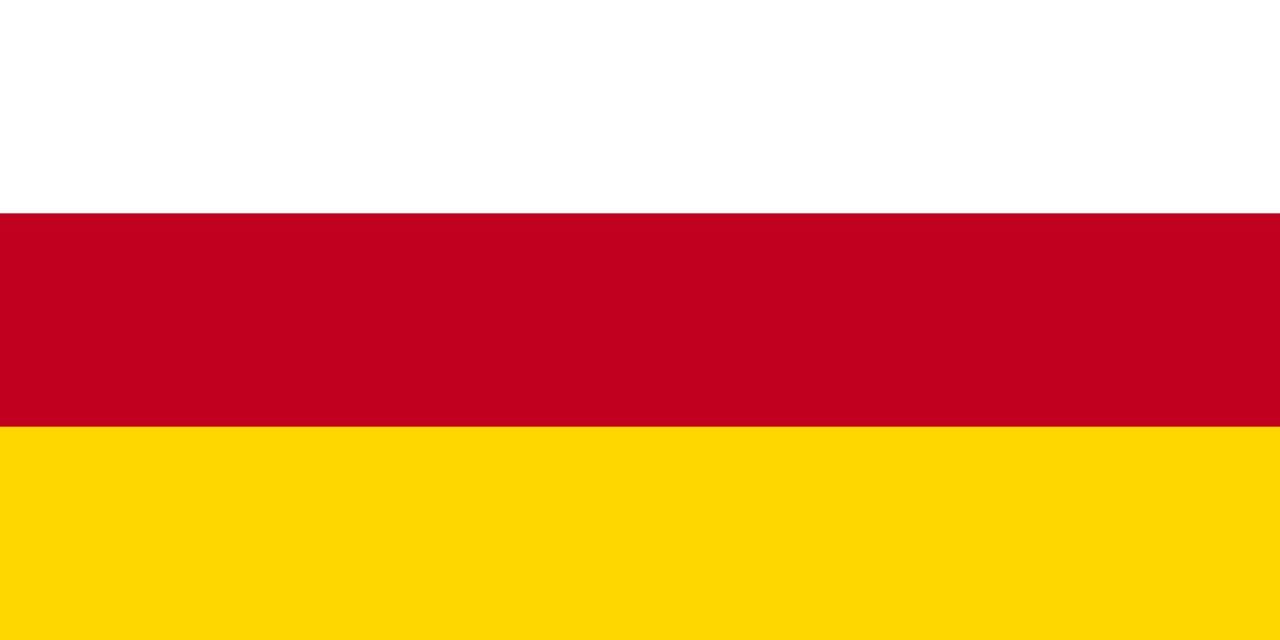
South Ossetia
The Genesis of a Contested State
South Ossetia's journey from an autonomous oblast within the Georgian Soviet Socialist Republic to its current status is a narrative deeply intertwined with the dissolution of the Soviet Union and subsequent ethnic conflicts. Established by Soviet authorities in 1922, the South Ossetian Autonomous Oblast was a distinct administrative unit. However, as nationalist sentiments surged across the USSR, South Ossetia declared its independence from Georgia in September 1990, predating Georgia's own independence from the Soviet Union.
This declaration was not recognized by Tbilisi, which responded by abolishing South Ossetia's autonomy and deploying troops, igniting the 1991-1992 war. The conflict saw Russian involvement on the Ossetian side, culminating in a fragile ceasefire and a frozen conflict that defined the region for over a decade. The post-Soviet era has been characterized by a persistent struggle for self-determination, marked by periods of heightened tension and sporadic violence, all stemming from the unresolved political status.
The 2008 War and its Aftermath
The simmering tensions between Georgia and South Ossetia erupted into a full-scale conflict in August 2008, known as the Russo-Georgian War. This war, triggered by escalating skirmishes, resulted in a decisive victory for South Ossetian and Russian forces, who gained de facto control over the entire territory of the former autonomous oblast. In the wake of this conflict, Russia formally recognized South Ossetia as an independent state.
However, this recognition is not widely accepted internationally; the Georgian government and the vast majority of UN member states continue to regard South Ossetia as an integral part of Georgia, often referring to it as the Tskhinvali region. Georgia maintains a Provisional Administration of South Ossetia, highlighting its continued claim to sovereignty, while the international community largely views the territory as occupied by the Russian military, underscoring the deep geopolitical divisions.
Economic and Political Dependence on Russia
South Ossetia's de facto independence is heavily subsidized and politically supported by the Russian Federation. The region relies almost entirely on Russian military, political, and financial aid for its survival and governance. This deep dependence shapes its economic policies, security arrangements, and foreign relations.
Since the 2008 war, the South Ossetian government has repeatedly expressed its aspiration to join the Russian Federation. This prospect has been a recurring theme in domestic politics, with discussions and potential referendums on the matter being raised multiple times, though none have materialized. Such a union would effectively end South Ossetia's proclaimed independence and integrate it fully into Russia, a move that would further complicate regional dynamics and international law.
The Broader Implications of South Ossetia's Status
The situation in South Ossetia is a microcosm of broader geopolitical struggles concerning sovereignty, self-determination, and the influence of major powers in post-Soviet territories. Its contested status raises critical questions about international recognition, the rights of ethnic minorities, and the effectiveness of international law in resolving territorial disputes. The region serves as a focal point for understanding the complex relationships between Russia, Georgia, and the international community, highlighting the challenges of state-building in areas affected by protracted conflicts.
The ongoing debate over South Ossetia's future has significant implications for regional stability and the evolving global order, making it a crucial case study in contemporary international relations.
Key Facts and Figures
South Ossetia, officially the Republic of South Ossetia or the State of Alania, is a self-declared state with limited international recognition. Its territory spans approximately 3,900 square kilometers, with a population estimated at just over 56,500 in 2022. The capital city, Tskhinvali, is home to a significant portion of its inhabitants.
The primary languages spoken are Ossetian and Russian. The political status of South Ossetia remains a central issue in the Georgian-Ossetian conflict and broader Russia-Georgia relations. Its existence is heavily reliant on financial and military support from Russia, and its future trajectory is closely tied to the geopolitical interests of its powerful neighbor.
Go deeper
Frequently Asked Questions
What is South Ossetia?+
Why does South Ossetia get a lot of help from Russia?+
How did South Ossetia become independent?+
What happened in the 2008 war?+
Can South Ossetia join Russia?+
Based on content from Wikipedia · Licensed under CC BY-SA 4.0